MilwaukeeJon
Members
-
Joined
-
Last visited
Everything posted by MilwaukeeJon
-
JHCC, that certainly is true....but I'm still curious. Sure as heck wouldn't want to drop that big sledge on my toe from 12" up so it might do something to some really hot steel. My work is just for fun and is pretty small scale (small headed hammers, knives, etc). Maybe this gizmo will do something useful. If not, I'll definitely report back on the nature of the failure, which as with my many past failures will teach this newcomer some valuable lessons. All good!
-
-
-
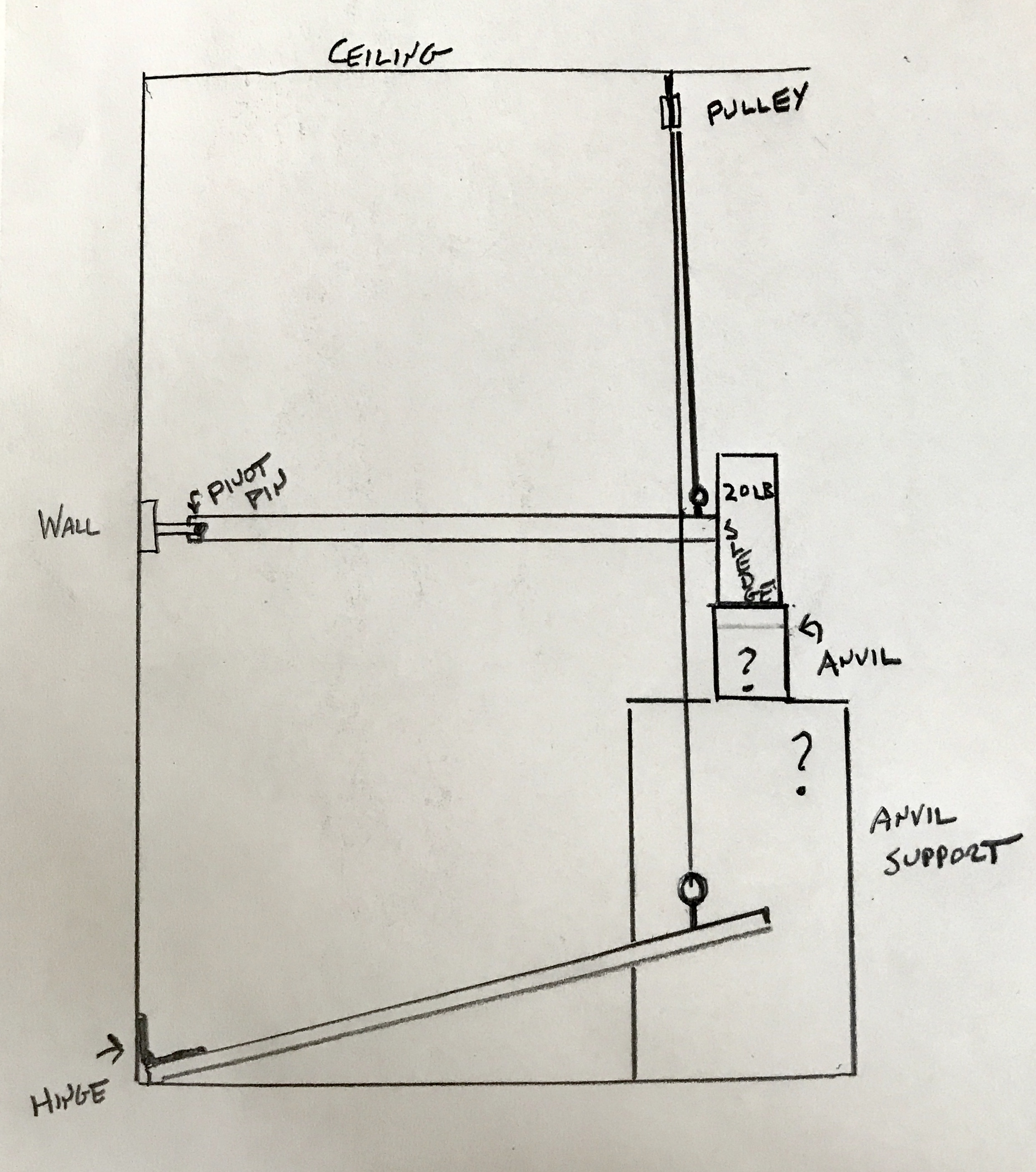
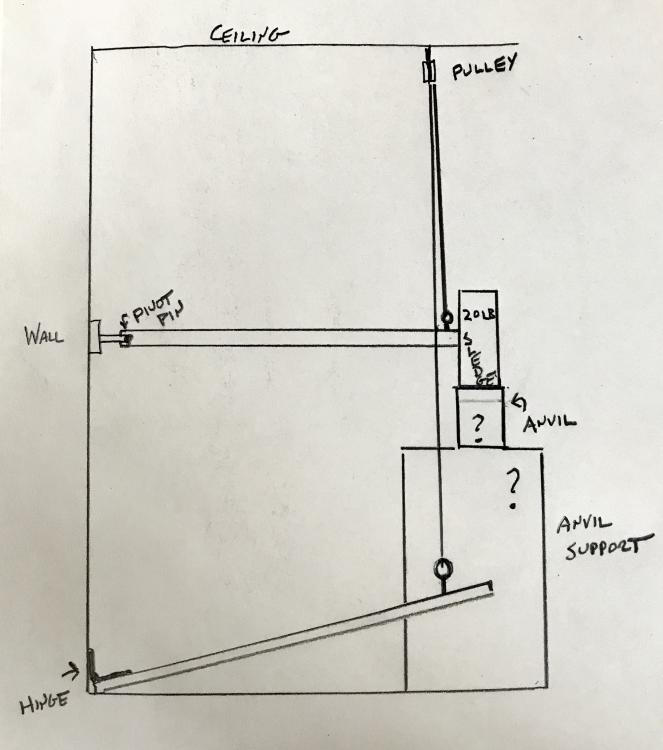
Quoted here is my earlier post from this thread and I appreciate all the insightful responses. Just for fun I'm going to make this leg powered sledge hammer. It unquestionably is crude, inefficient, stupid, probably an all around lousy idea....nevertheless I feel like giving it a go just out of stubborn curiosity. Here is a sketch: Any thoughts on what the bottom anvil should be? The sledge presumably is pretty hard steel. I have a striking anvil that is pretty soft faced but should I go with something different? What kind of weight/size should this bottom anvil be and what kind of stand/stump should it be on? Other design thoughts that I need to take into account? There will be an iron sleeve on the pivot end of the sledge handle for reinforcement. Again, I realize this is a goofy concept but I'm not inclined to make a treadle hammer and don't want a power hammer (I don't do heavy work). I'm also dealing with some rather feisty tendonitis, so this might help my elbows a bit. Thanks in advance.
-
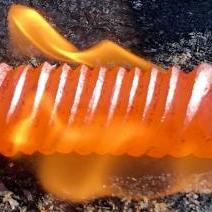
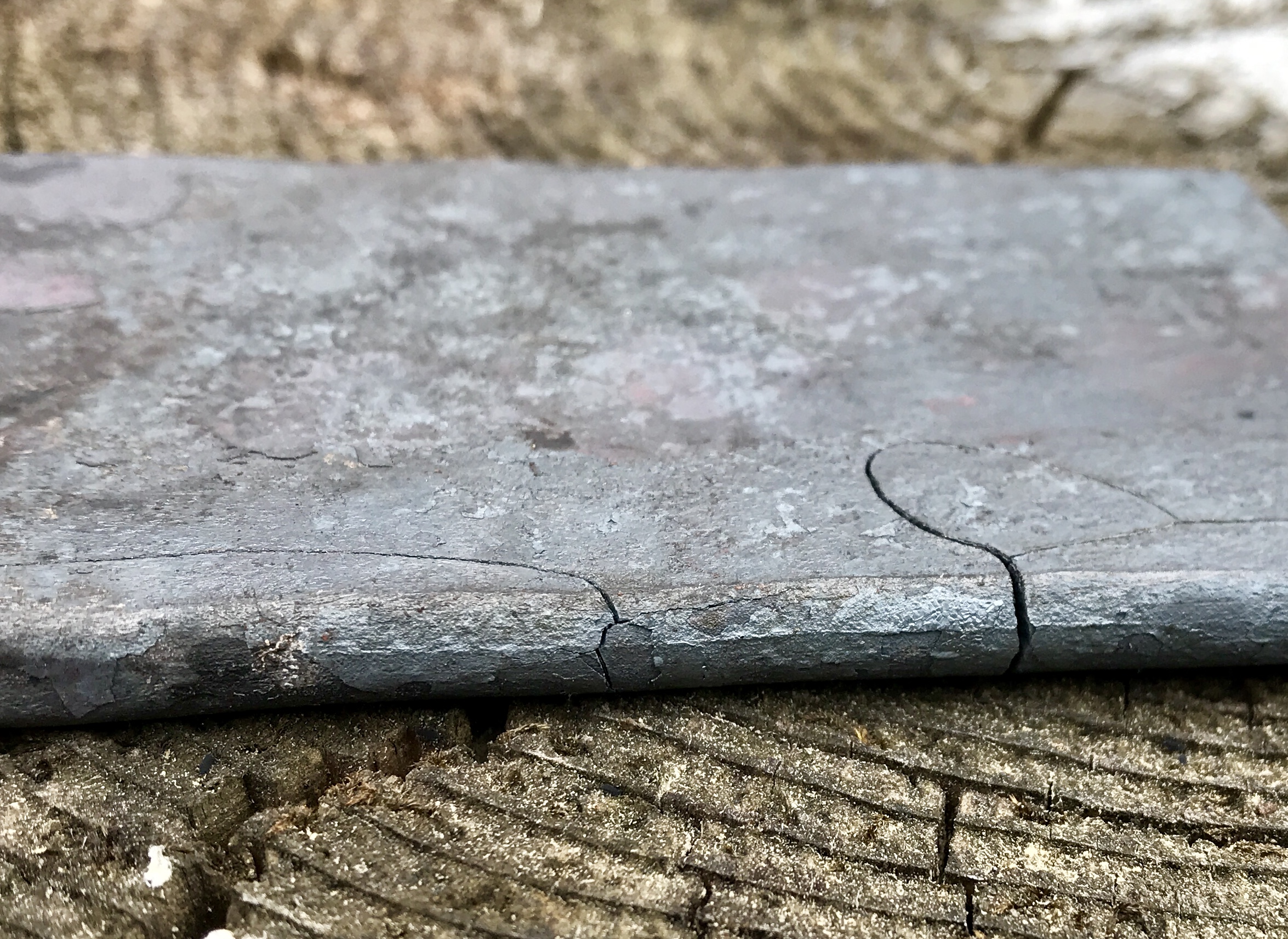
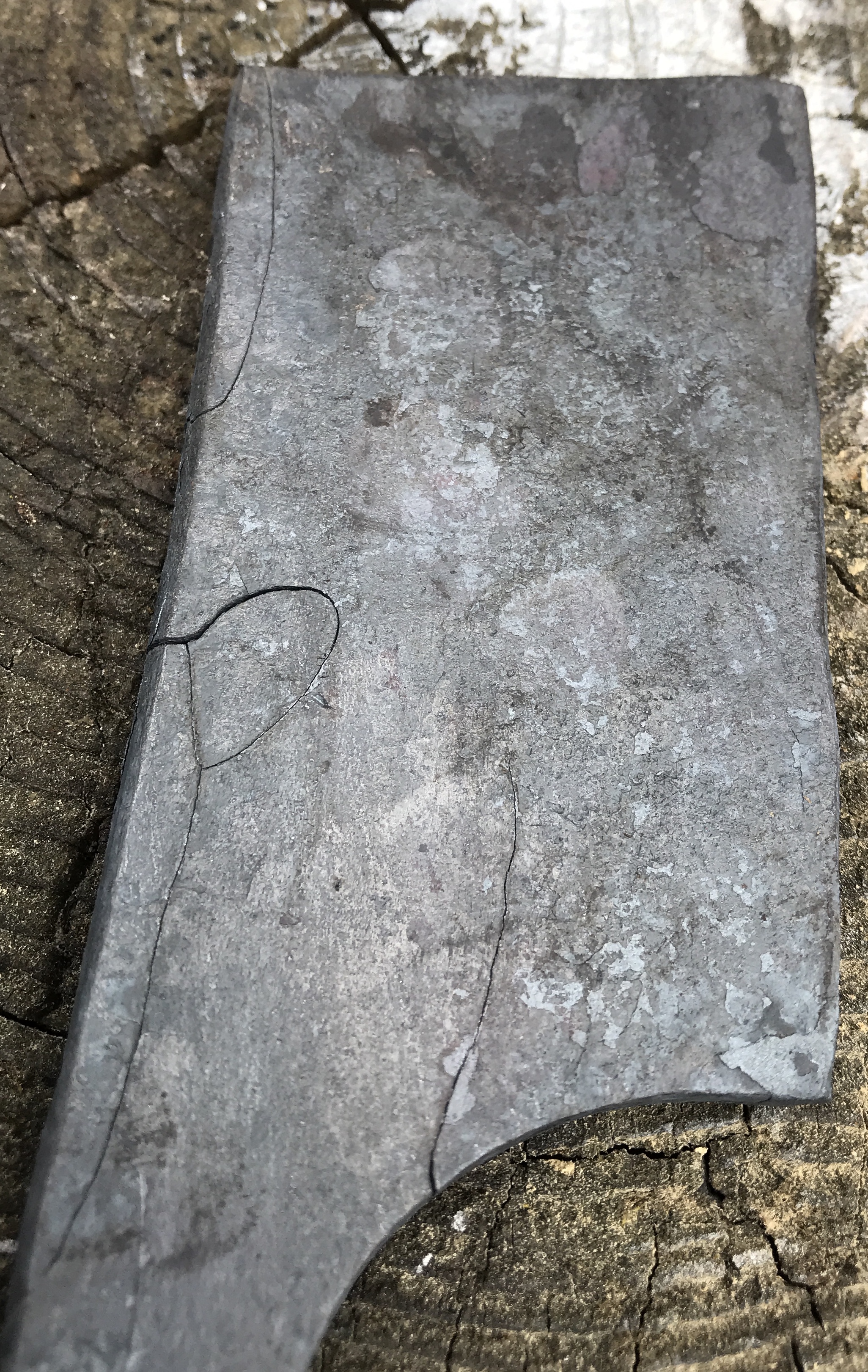
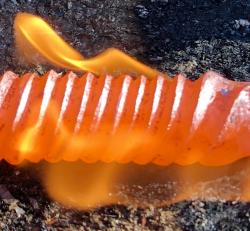
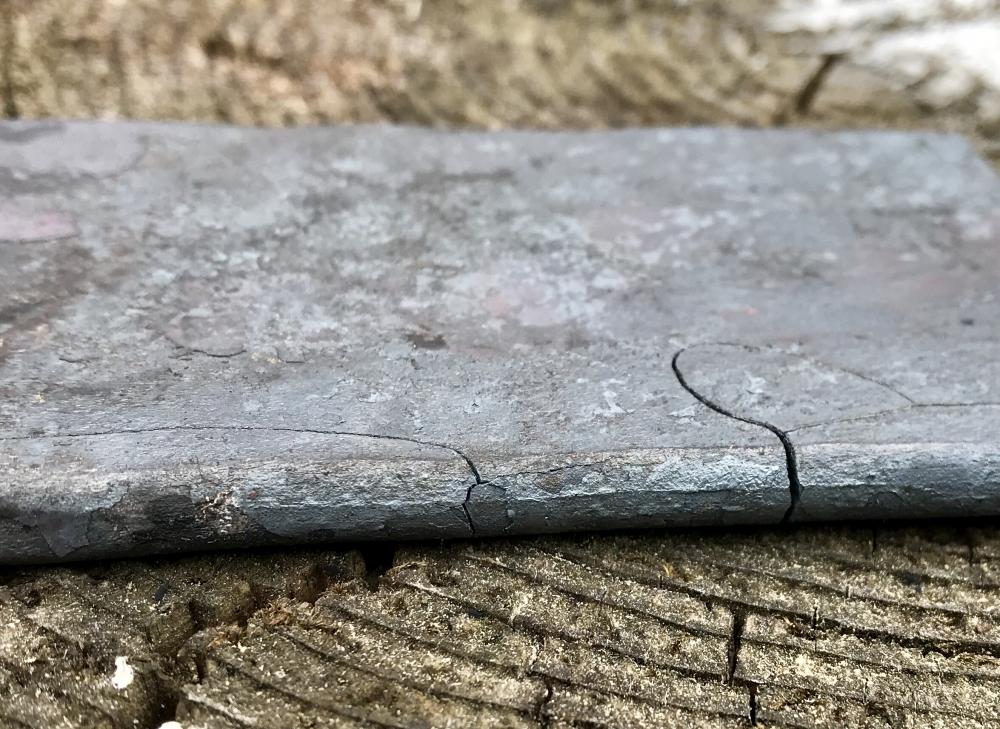
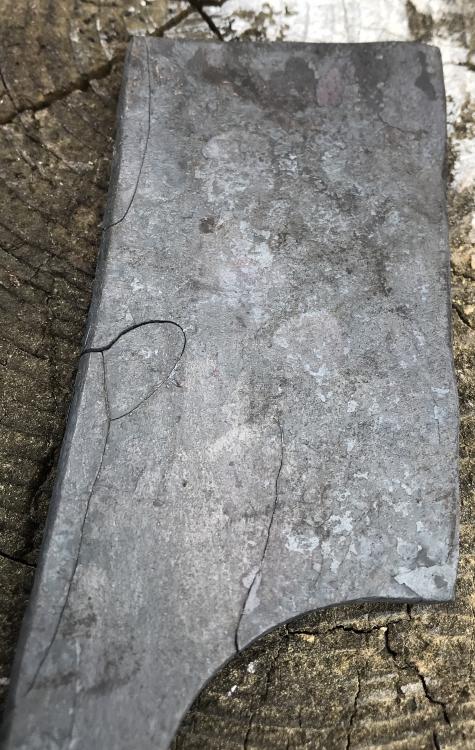
Great info. Thanks. Regarding the dropped weight, in theory you could control it a bit by how high you lift it, right? Again I know that this whole idea of a hinged large sledge is a less than ideal solution (low power, minimal control, slow repetitions) but in light of this overall thread I’m just curious about all the reasons why.I’ve got some nasty tendonitis in the old elbows so it got me re-interested in assisted hammering. No power hammers for me but I do have plans for a Treadle Hammer. Not sure about whether that would be overkill for the relatively light work I do (hammers, knives, etc). Plus, there is the impact on the knees from the downstroke (kind of akin to the impact on the arm/shoulder from a Fly Press). So I was wondering if there was any logic to using the leg muscles to lift the weight and drop it, rather than drive it downwards. Not as powerful, by any means, but is dropping a 20lb sledge on hot iron from a height of 10-12” useful at all or not really?Fascinating info in this thread. Just curious: for light work, have folks ever reversed the principle and simple taken a big sledge (20lbs or more), created a pivot point at the back of the handle and with a leg lever/pulley system simply lifted the head to drop it on the anvil? I realize you lose a lot of added leg power that comes from contributing to the downward force on a regular treadle hammer but would the notion of a leg-powered drop sledge have any merit or would even a 20lb sledge being dropped 10-12” inches not create any sort of useful forging power? * I’m an Art History major so my understanding of Physics and the like is non-existent!Thanks for the info.Templehound, thanks for the informative answer.I’m neither a gent nor talented but certainly glad to have you here Scott.Two questions: 1) What kind of steel might this maker be using? There appears to be no heat treating during the making of the blade. 2) What is the darkening solution the blade gets dipped into at the 8:55 or so mark? Thanks in advance.Yes....lesson learned....again!Brand new 5160 flat stock. Was forging the blade with conventional hand hammering technique and this cracking occurred all at once right after pulling out of the forge for the 5th round of hammering. There was no heavy cold forging, although there was some hammering after the color left to planish a bit. Is 5160 a steel that is especially in need of hammering very hot?While forging a wide chopping knife blade, this 1/4” 5160 had instant catastrophic failure right after coming out of the forge and before starting the next round of hammering. It still was orange hot, so I’m confused as to what happened.
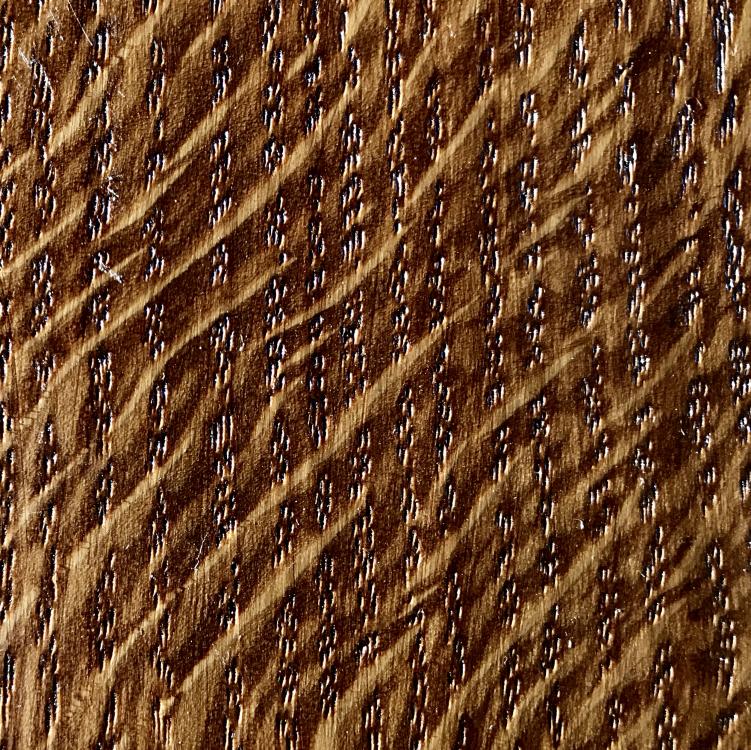
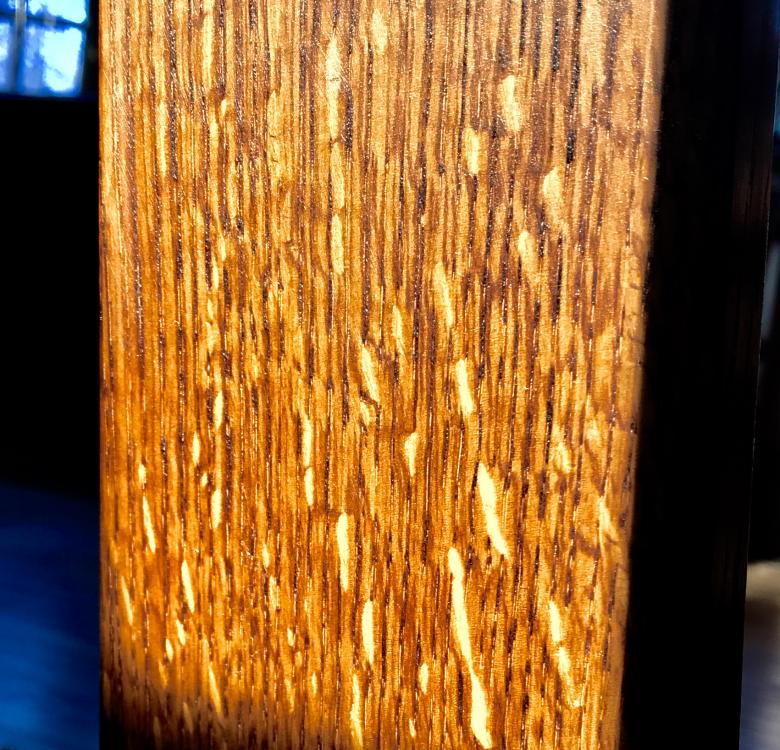
 Well stated, Thomas. One can find many cheaper but equally effective alternatives. Getting started doesn’t require a vintage anvil. For me, however, getting a great old anvil was a huge inspiration. It gave me a sense of connection to the historical legacy of working iron. The anvil inspired me to learn more about the trade and the traditional blacksmithing tools; it peaked my curiosity. Was it essential? No. Was it beneficial for my learning? I feel that it was. Great old tools that still do their task have amazing Mojo and you can’t manufacture that.....Gorgeous knife!Compared to a normalized forged blade (1084 is what I’ve been using) is a flat ground blade less prone to warping during heat treat? Are there other important qualitative differences to consider when opting for flat grinding over forging and then grinding?Quartersawn white oak. I make Arts & Crafts style furniture and this is the primary wood, but also good for knife handles.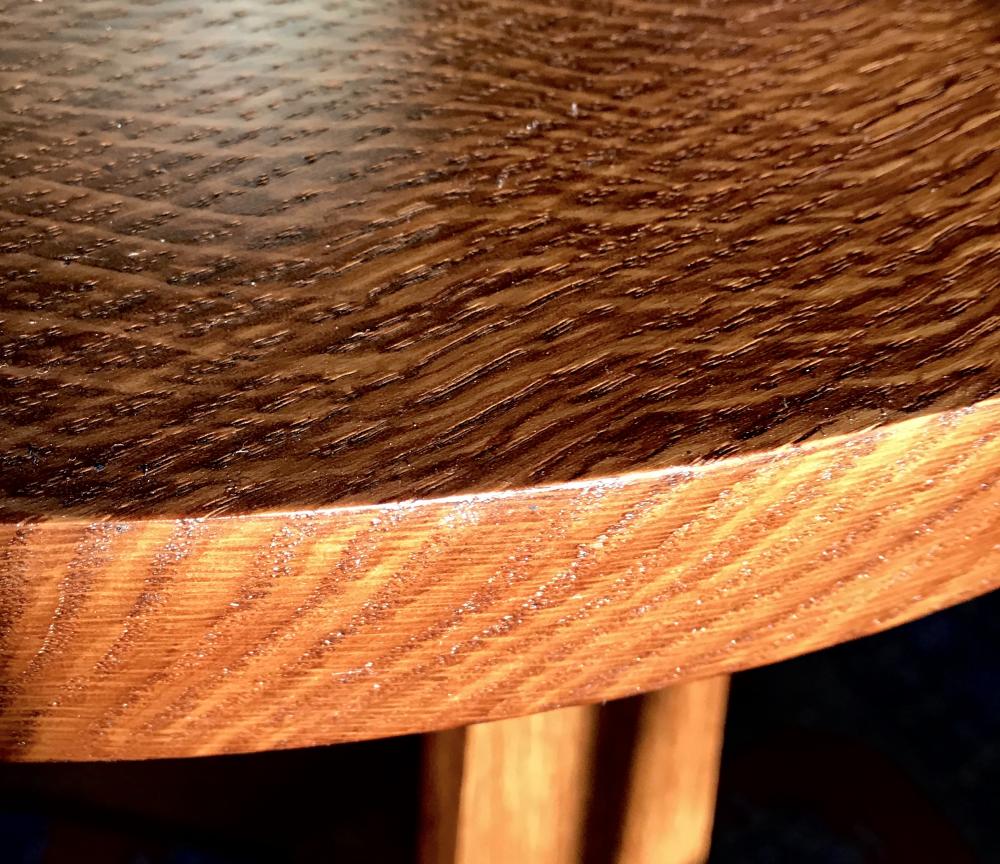
 Great info. Do you start this light straightening after a certain number of minutes of tempering?Not the first time. I’ve done a number of heat treated knives and about a dozen herb choppers, and ten or so hammers as well. HT still is a wondrous mystery!