MilwaukeeJon
Members
-
Joined
-
Last visited
Everything posted by MilwaukeeJon
-
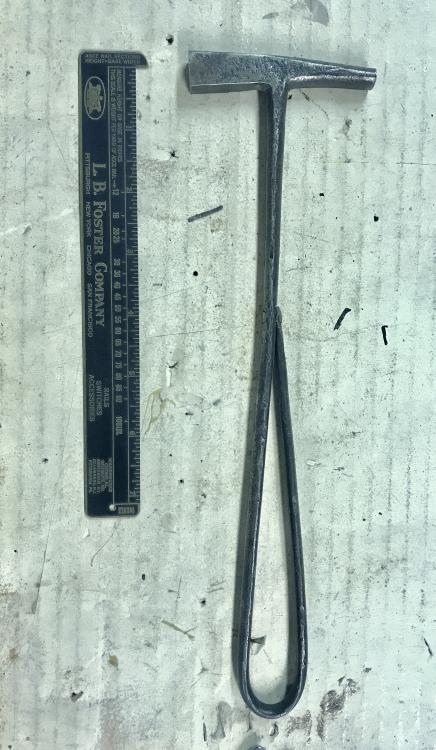
What size stock do you think was used to make this? Pretty nifty old railroad ruler as well.
-
Appreciate the info. May try an annealed head just to see how it compares to my brass hammers.
-
I guess I’m asking a more general question: is simply normalizing a mid carbon steel hammer head the proper way to make a “soft faced” hammer? And, as a follow up inquiry, would annealed mid carbon steel be too soft to be useful? Thanks in advance for your input.
-
If using a mid carbon steel for hammer heads (1045 or 4140) would leaving it normalized but not otherswise hardened by heating and differntlial quenching (heat treating the face and peen end) result in a usable soft face hammer? Do folks ever use hammers that are left only in an annealed state or is that too soft? Would that be roughly equivalent to a brass hammer? Still learning all this stuff so sorry if this is a dopey question.....I have lots of them!
-
I presume this has been posted before, but fun watching this historical primer again:
-
Awww, its a little piglet!
-
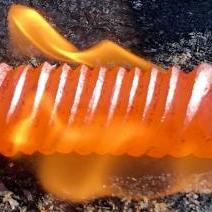
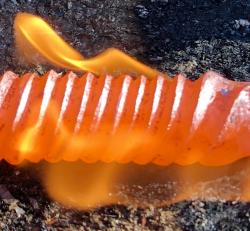
Interesting. By constantly monitoring and adjusting the hammer head, were you able to keep the colors kind of consistent at a certain point during this dragon’s breath tempering process?
-
Could the checks have come from the fact that the dragon’s breath was heating the face rather quickly and aggressively while the rest of the body of the hammer was heating much more slowly? Sort of a differntial expansion/shrinkage situation?
-
Macaronic.....I love it.
-
Matei, thanks for the great response. That idea about this possibly being a shovel maker’s anvil is intersting. Certainly would be very well suited to that kind of progressive convex shaping. Can you post pictures here of your French anvils? By the way, I probably should have titled this thread La Pig to be grammatically correct.....
-
Appreciate the info, swedefiddle. I heat treated these hammer heads in a similar manner, although being new to the game I’m still learning to watch the colors run. Haven’t quite found the best abrasive to create a good surface to watch this happen after quenching. Do you find that you need to quench a couple of times as the colors keep running to the ends of the hammer?
-
Thanks for the nice comments. I’m quenching the ends of the 1045 hammers in safflower oil that I’ve warmed up with a heated rod. Don’t really have enough experience to say whether this works well or not but the faces seem to be nicely hardened. Gotten some good edges on sharpened pieces as well (knives, herb choppers). Regarding the forge welding, on my NC Tools forges (one burner and three burner) you can’t really adjust the flame. I played around tonight with angling up the piece I’m heating to get it into a different part of the flame. That appeared to help a bit but still it seems hard to get to a yellow heat or to the point where the metal is sparking.
-
Good idea, Thomas. I feel as if my NC Tools gas forge has a little trouble getting up to the necessary heat (barely get past orange) but I can get partial welds so maybe that isn’t the issue.
-
Thanks. Spent tonight trying again to forge weld.....pretty sure that it is some form of witchcraft!
-
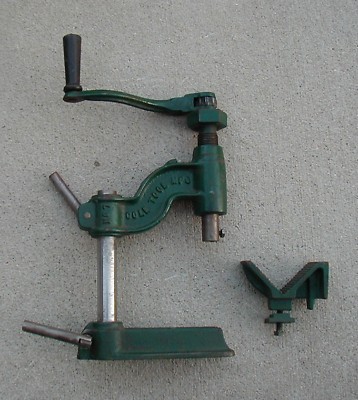
Great looking drill. Do you supply all of the drilling force from the threaded shaft?
-
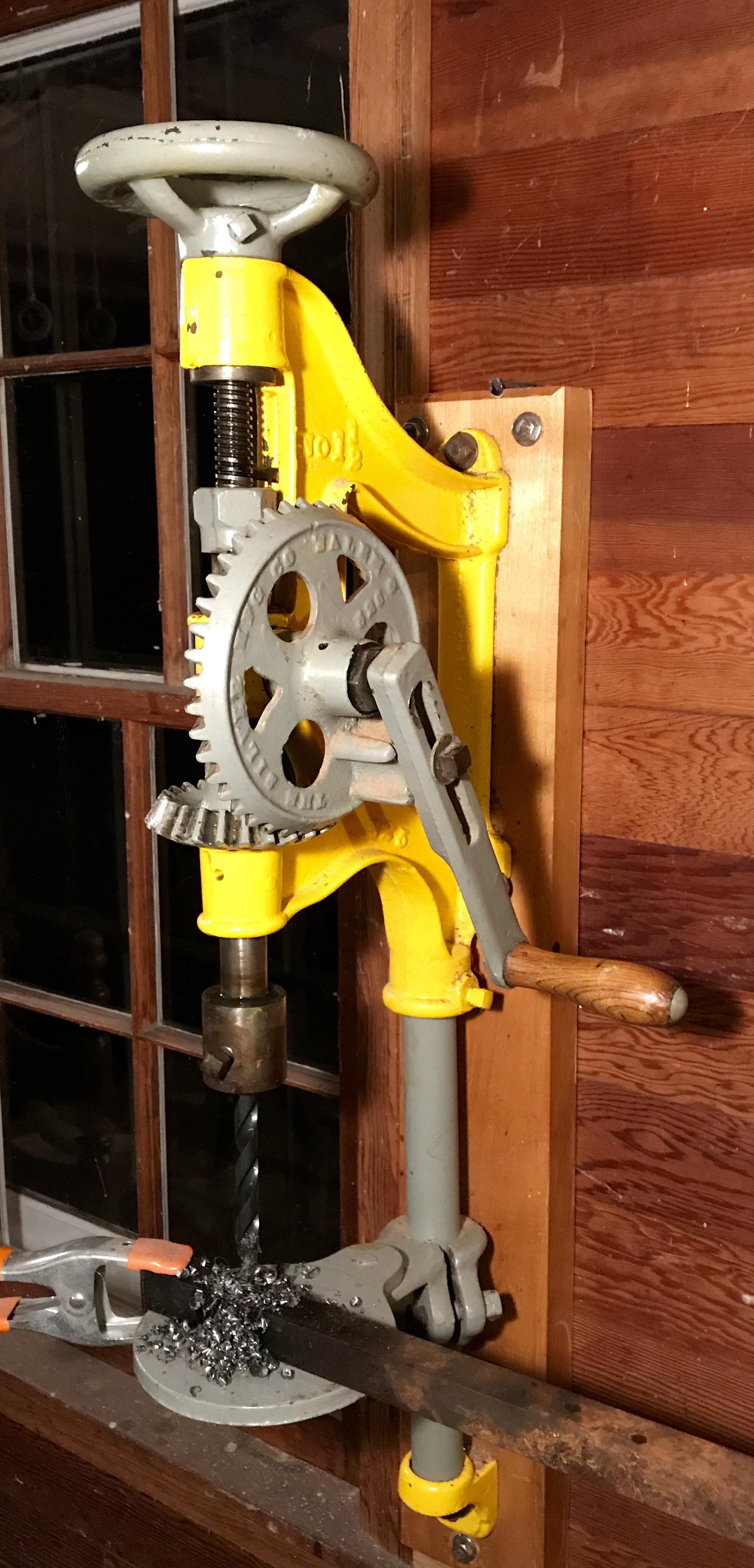
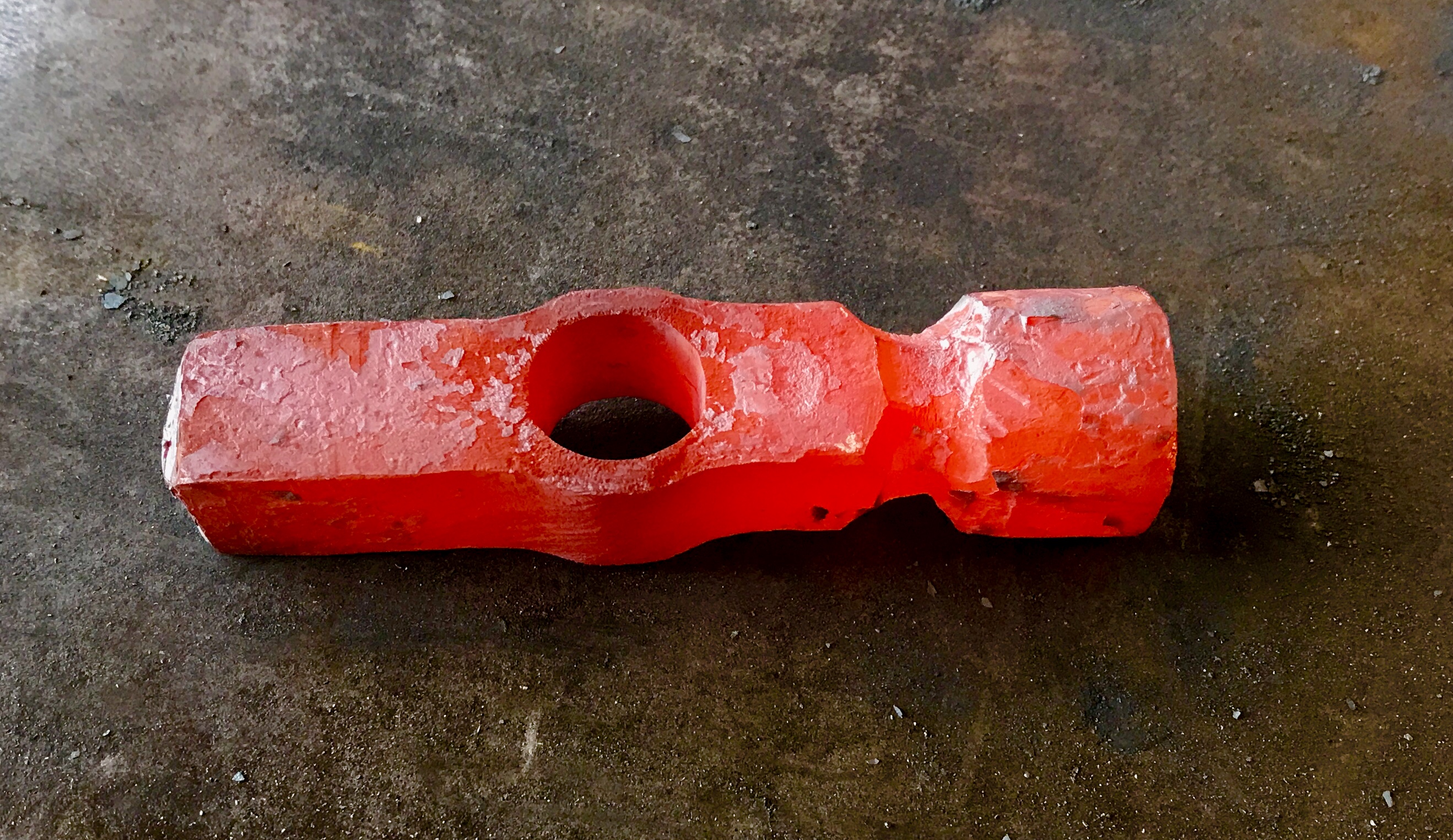
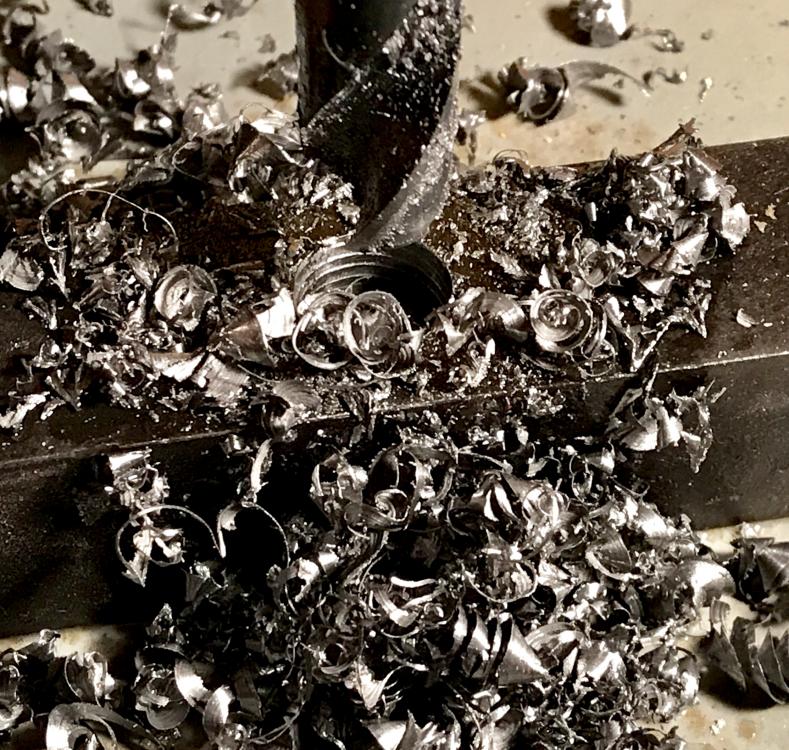
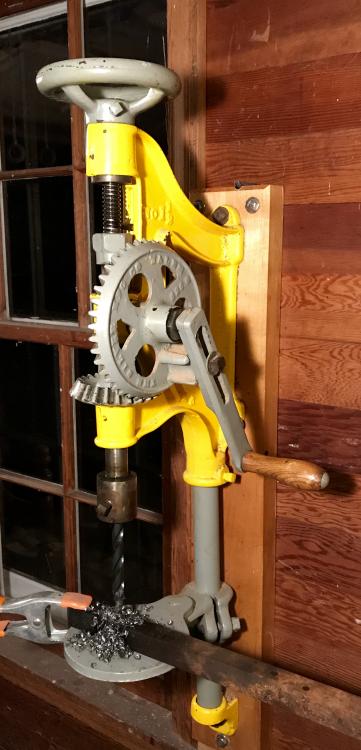
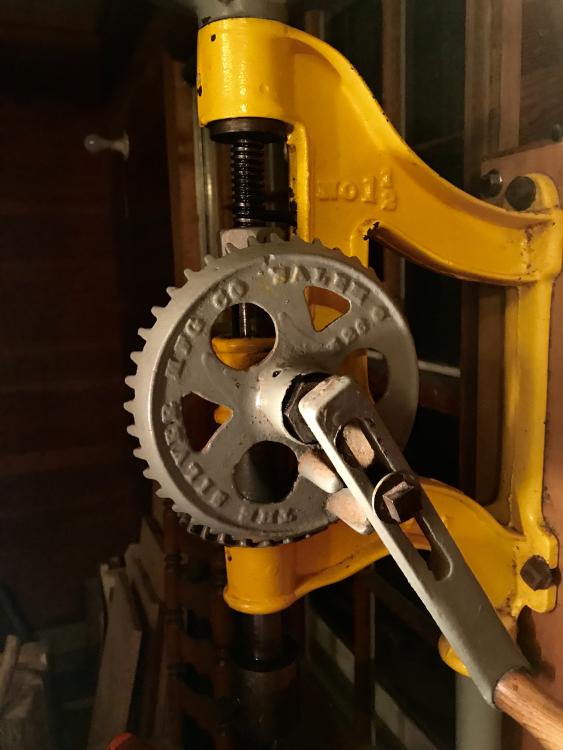
In trying out the notion of drilling out a hammer head before drifting (to save my arm a little wear and tear) I decided to keep alive the old school character of my shop by acquiring a ca. 1900 hand powered drill press. It is a Silver Mfg. Co. (Salem, Ohio) model 1 1/2 and it tore through the 1” square 4140 bar that you see here. With right hand cranking the handle and the left hand slowly tightening the top wheel I was ripping out what looked like pretty impressive wood shavings. At my approximately 60 rpm rate the bit, which I kept lubricated with oil, stayed cool and the entire job took less than 5 minutes. As efficient as an electric drill press? No, but lots of fun seeing this old machine do its thing so well.
-
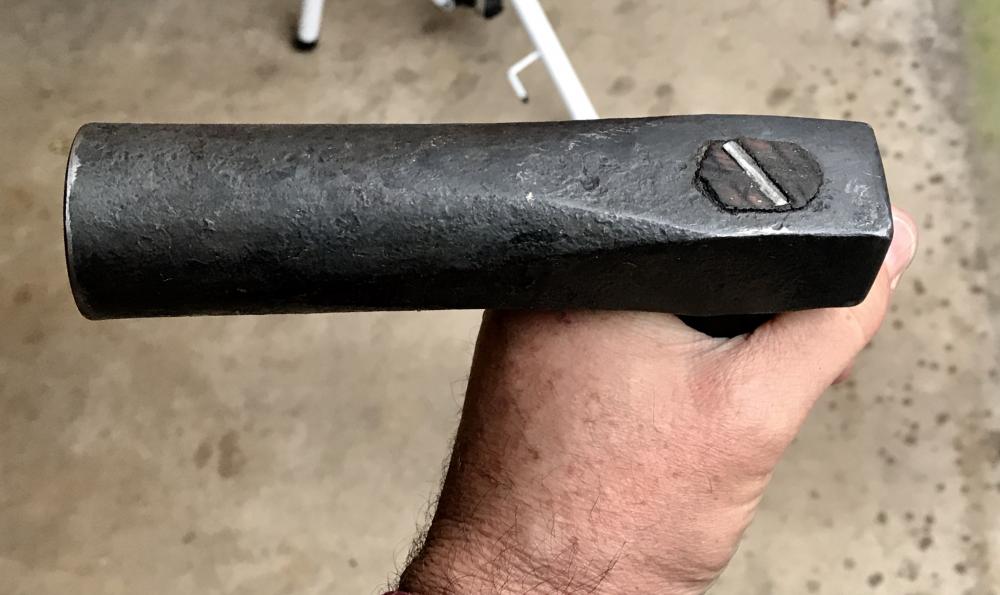
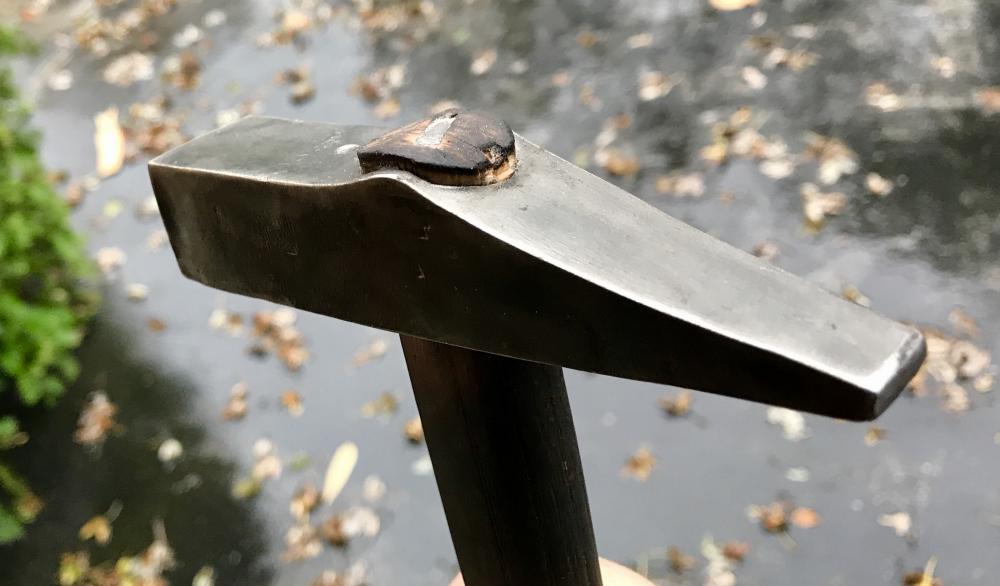
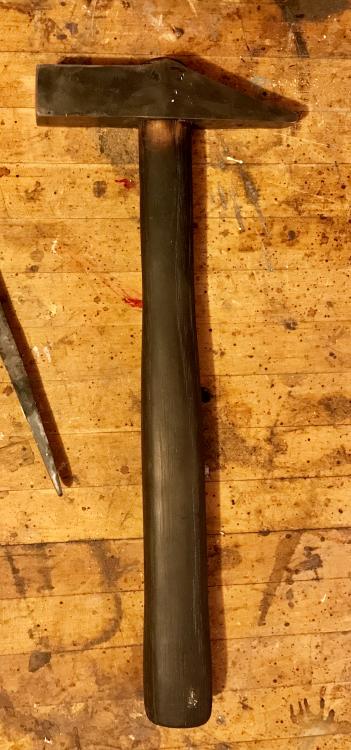
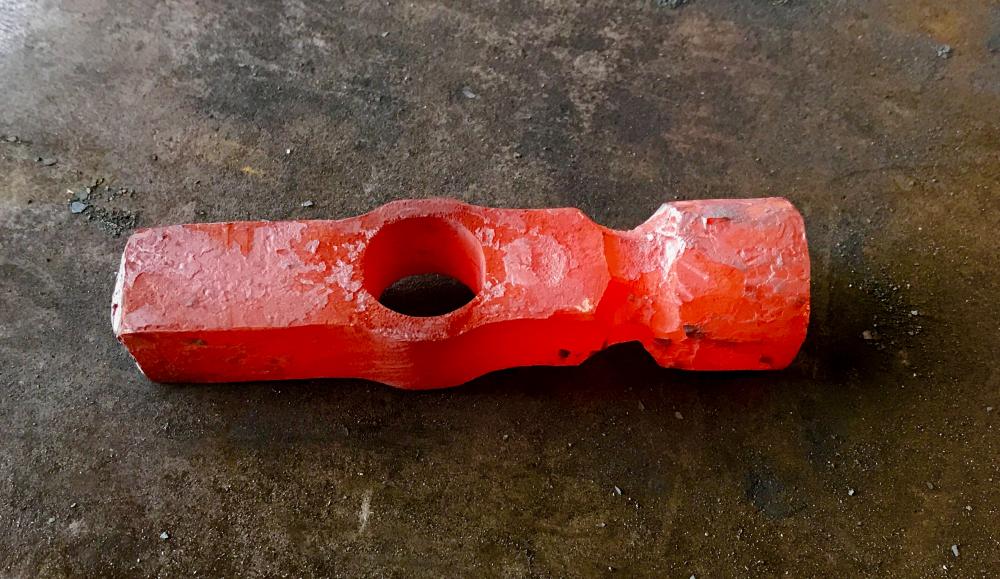
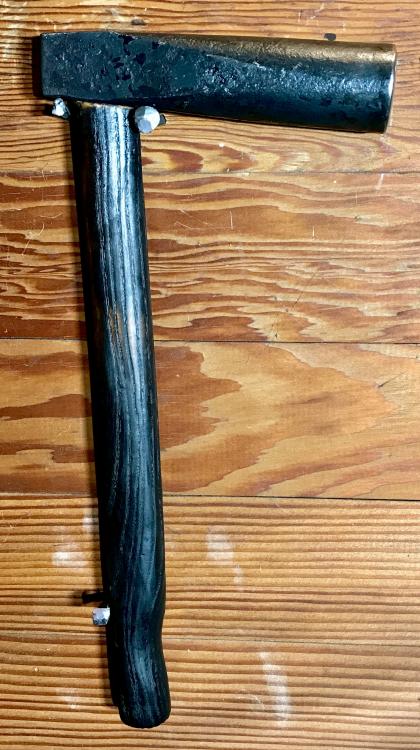
Two more shots....simple forms but I have to start somewhere relatively easy!
-
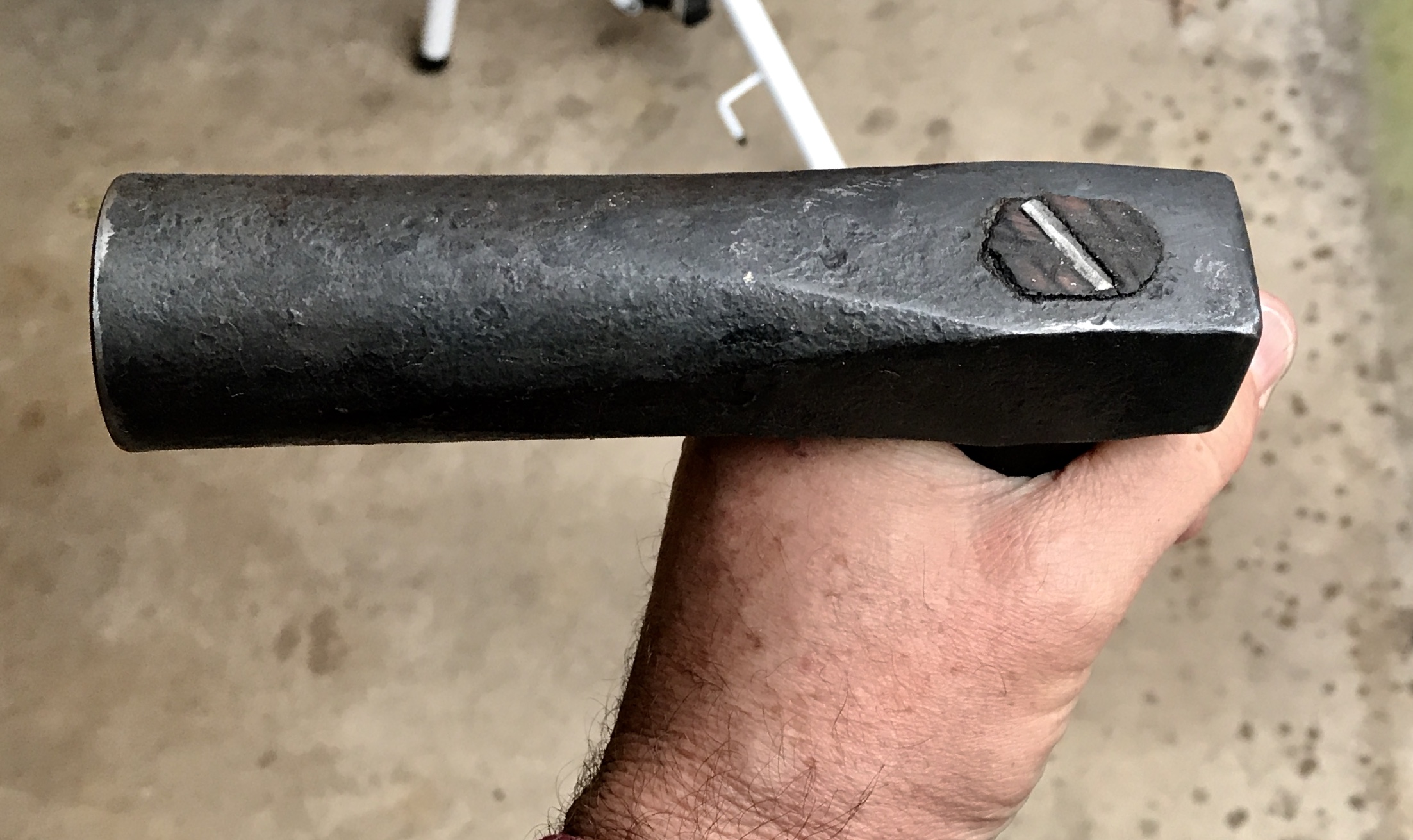
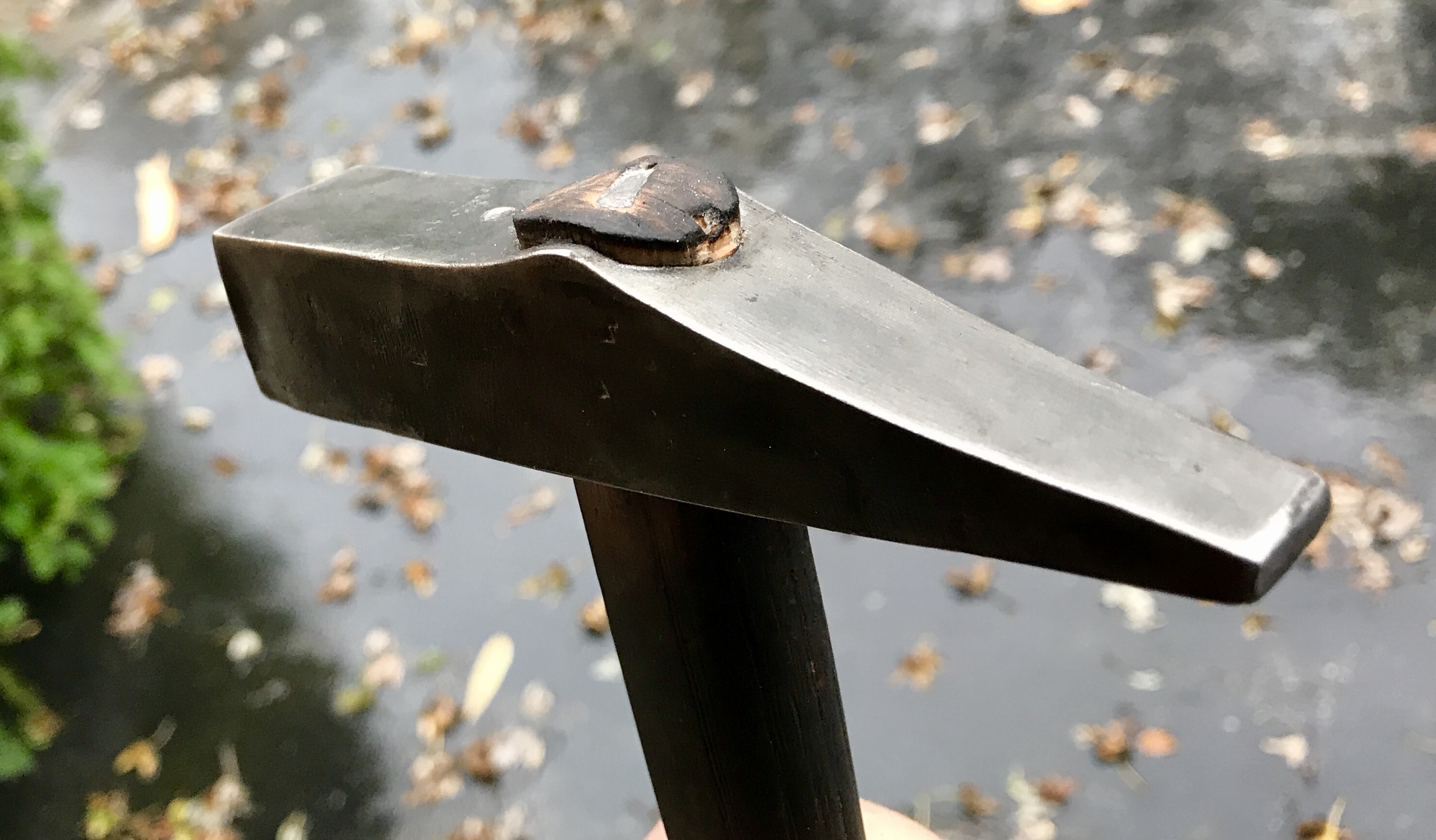
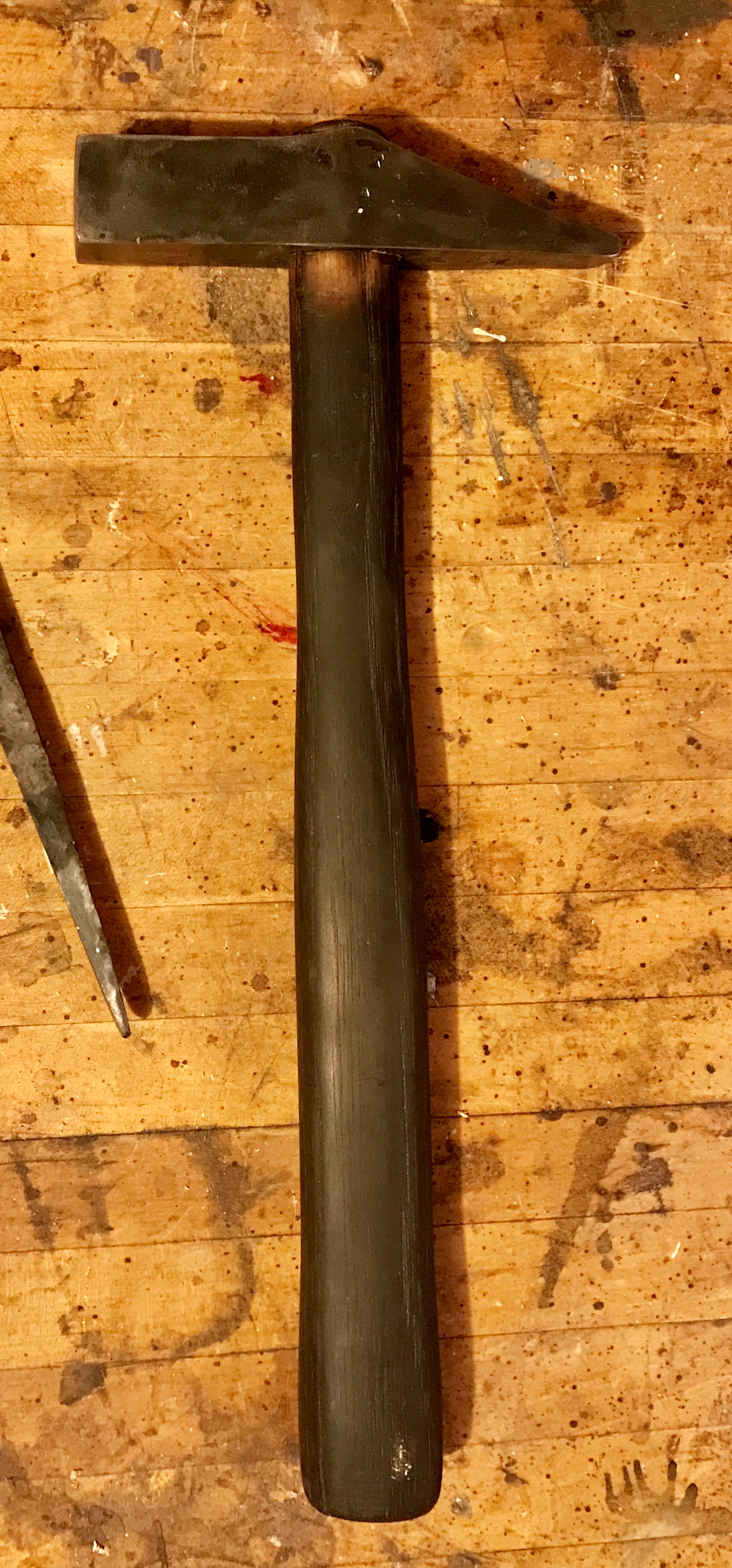
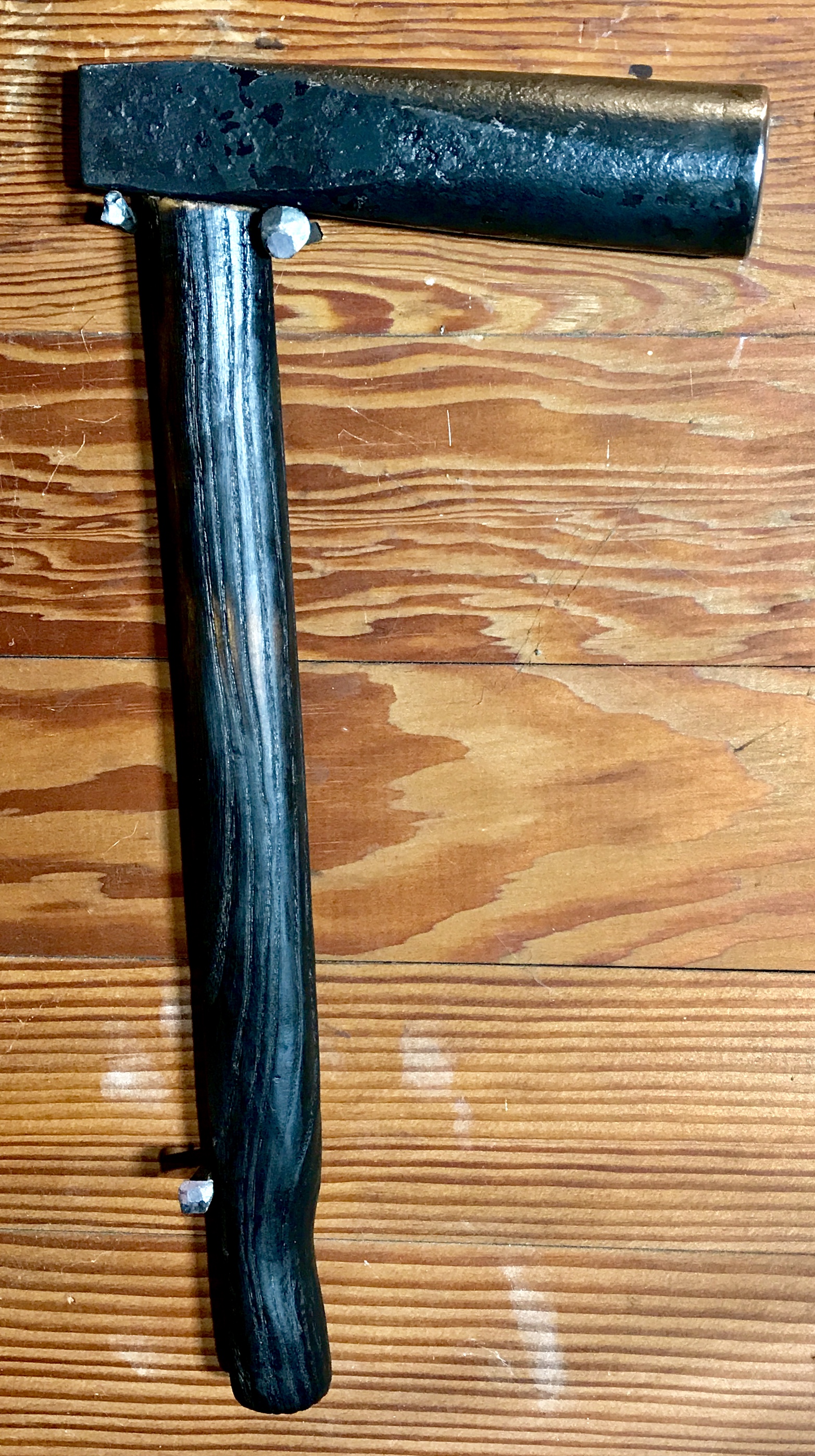
1) Viking style hammer (17 ounce, 1045) 2) Mini hammer (in process, will do cross peen on back side, 1018) for a 4 year old 3) large Japanese style bladesmithing hammer (head is 6” x 1 1/2”, 1045)
-
Indeed. The French word for aardvark is cochon de terre or “pig of the earth/pig of the ground”. Maybe that’s what this is!
-
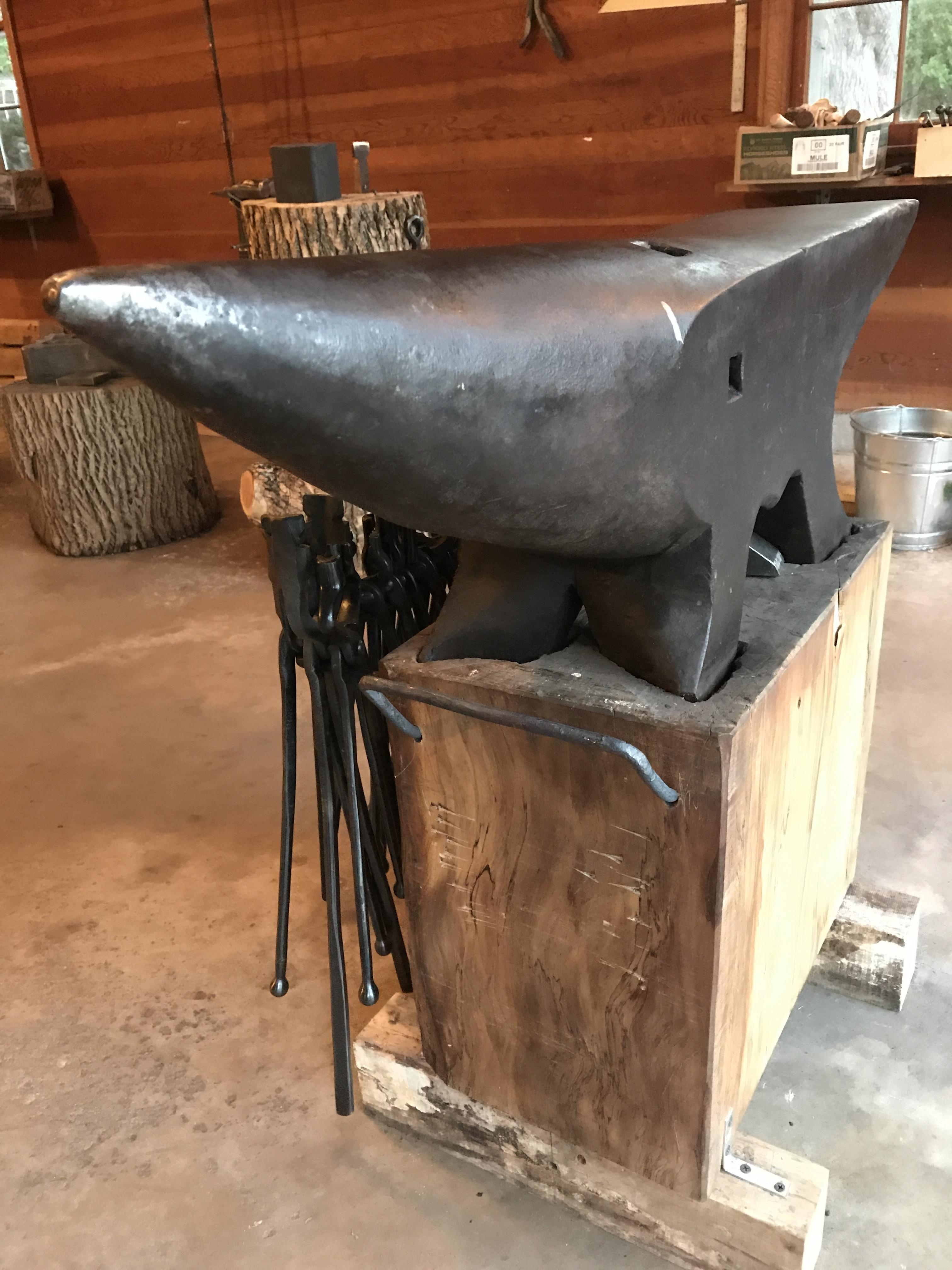
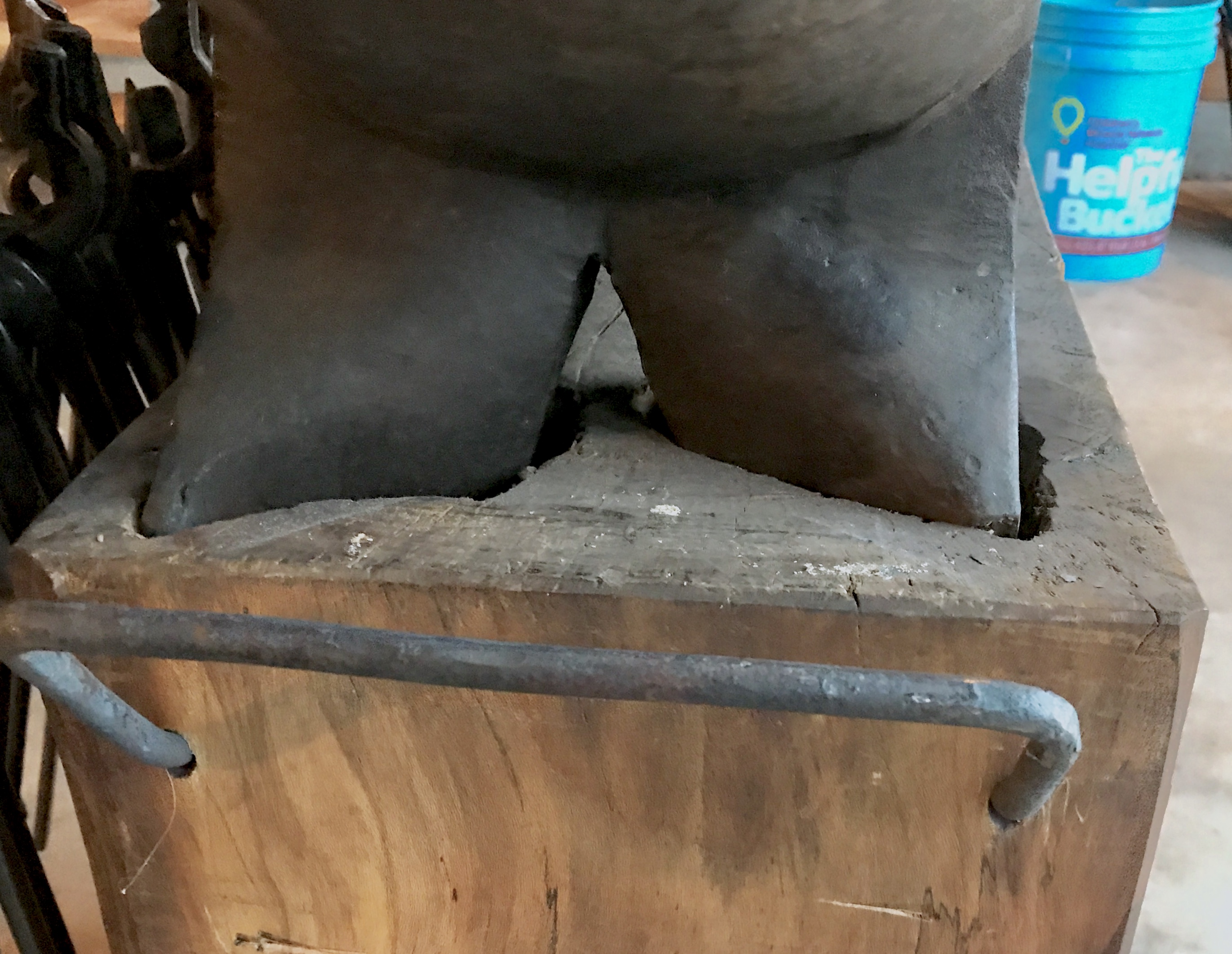
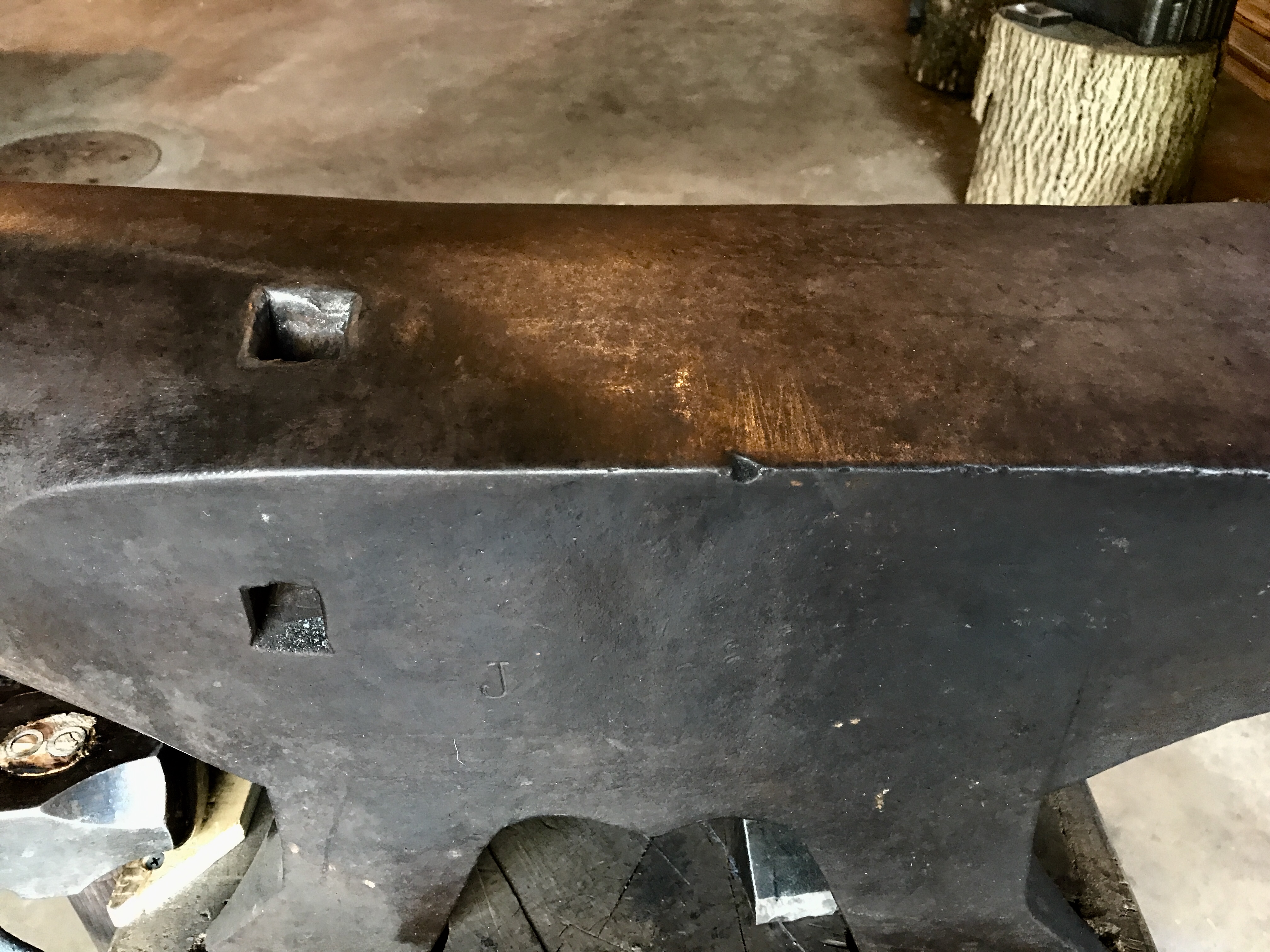
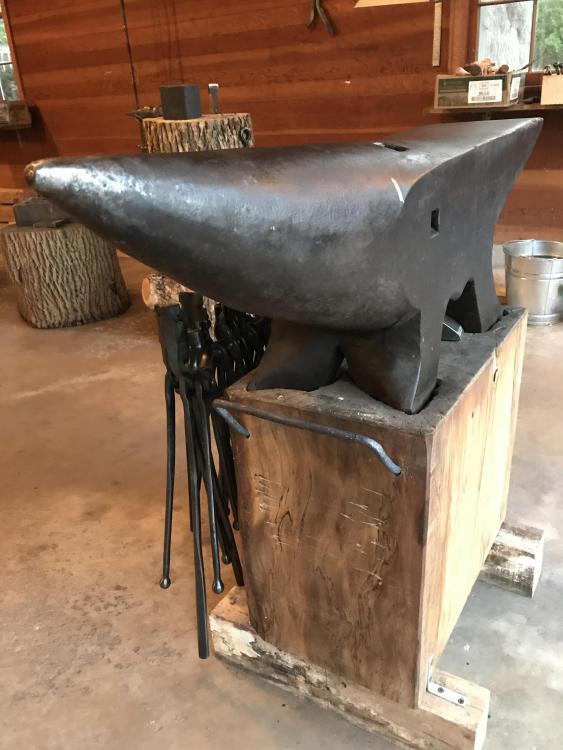
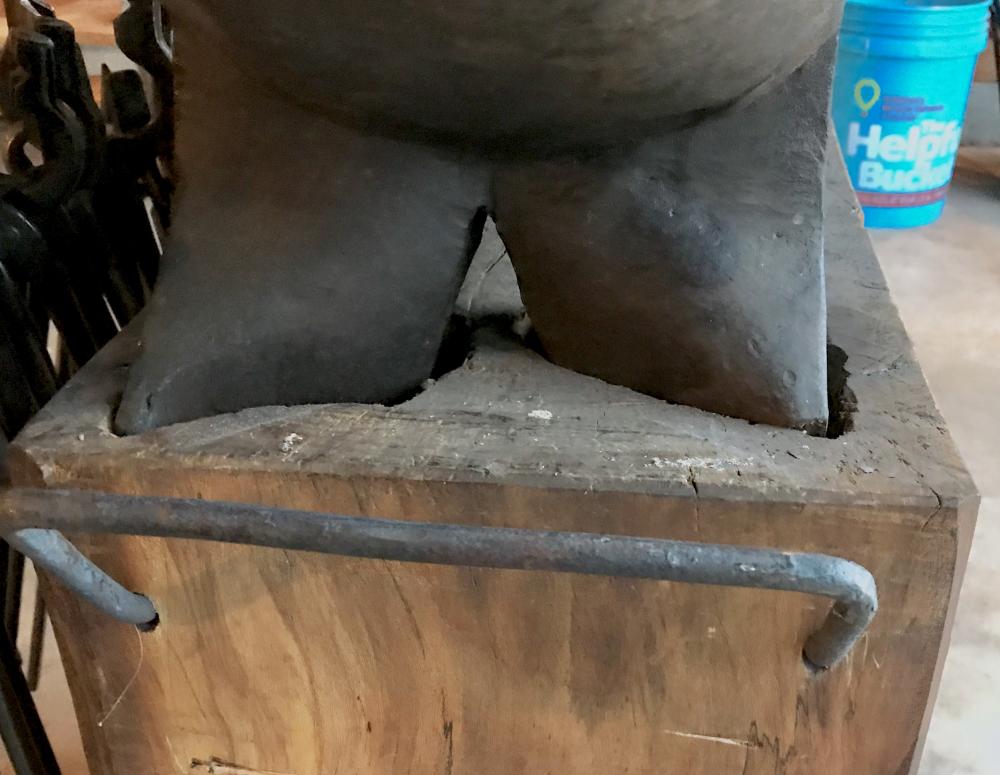
Here are shots of her feet and snout. The sculptural and artistic skill of the makers is impressive. Clearly they wanted this anvil to look rather animated. It may be that the offset stance of the feet was an accident but it gives the appearance of this little piggy taking a step forward:
-
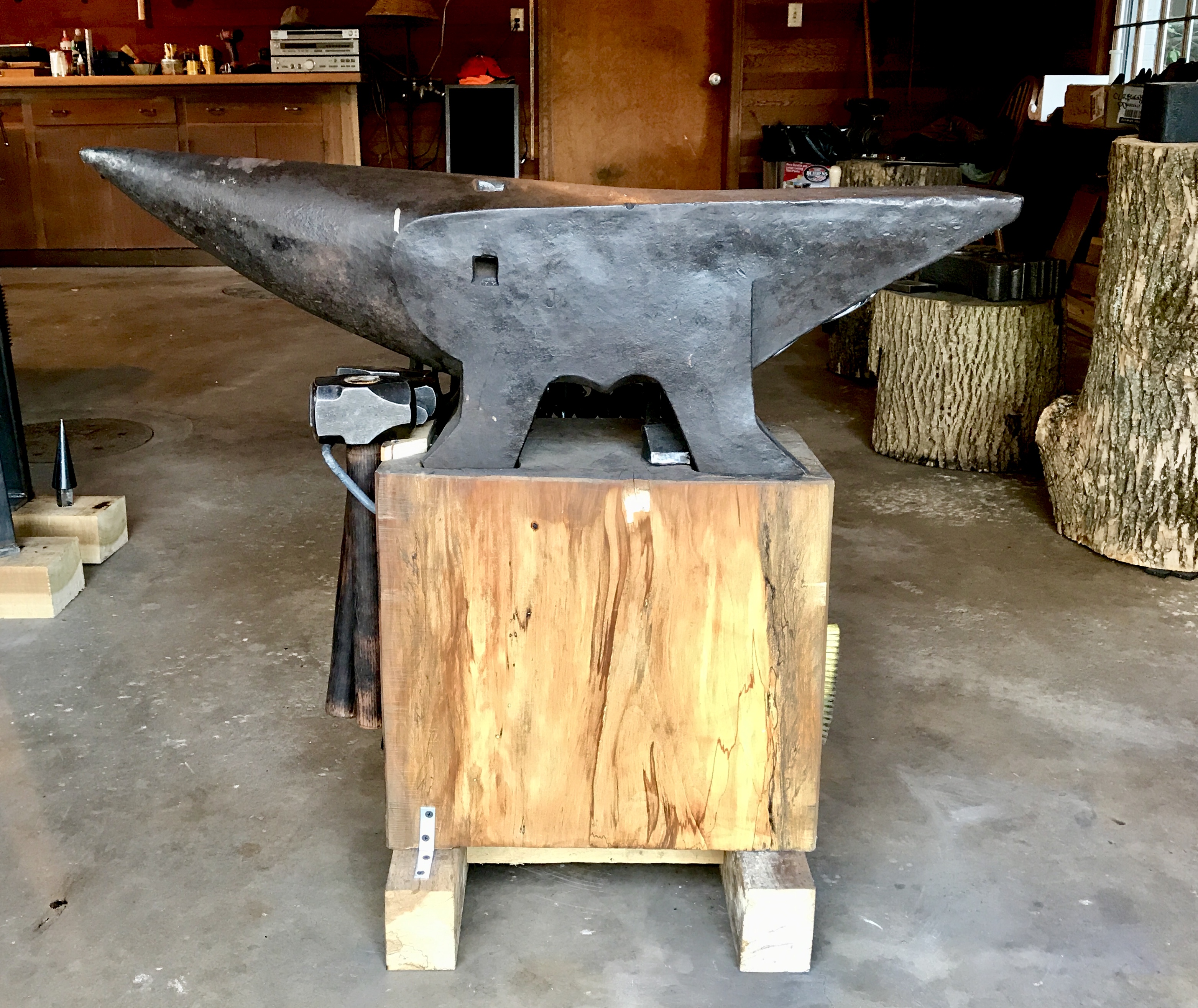
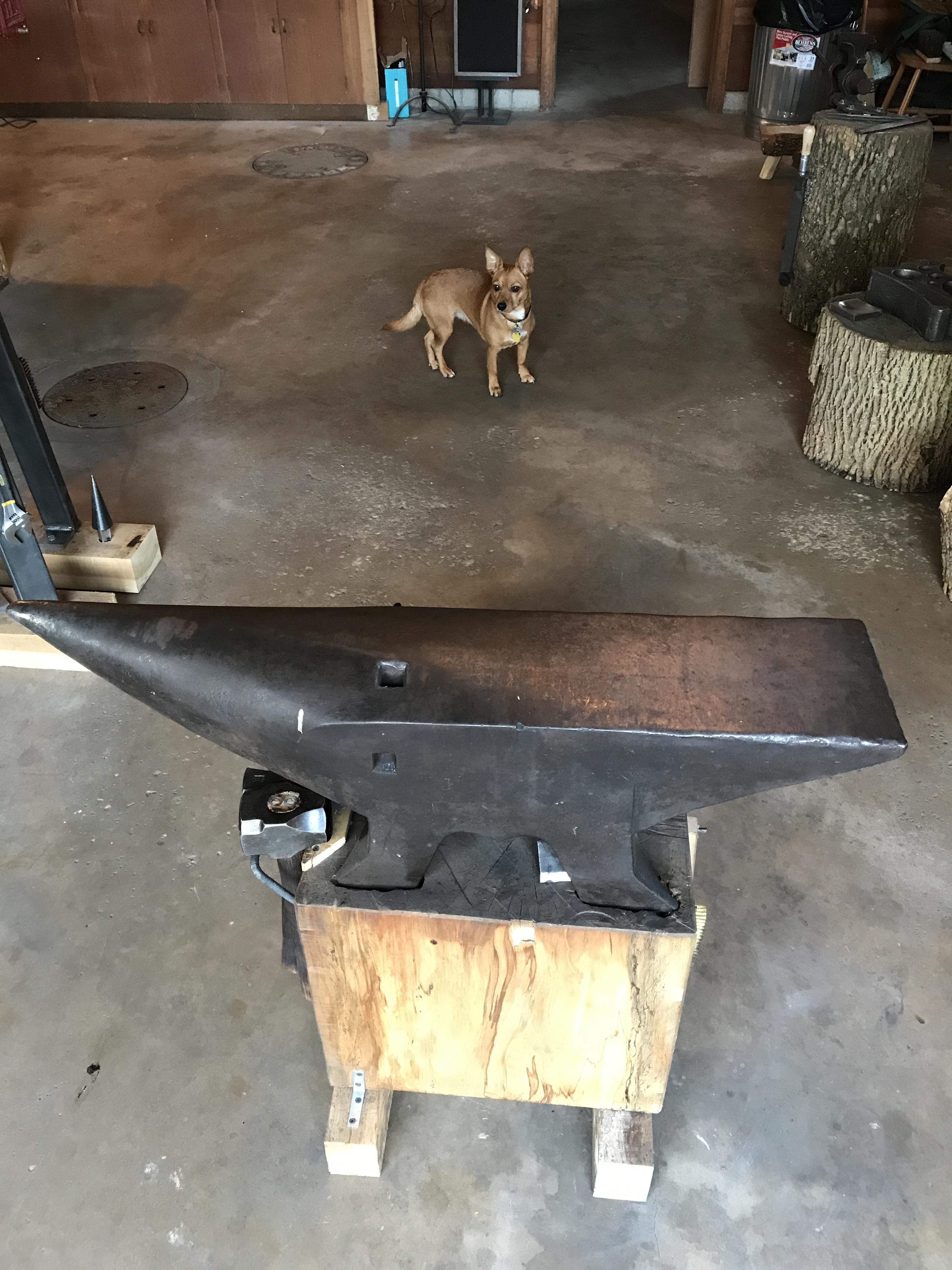
Madame Cochonne (piglet)
-
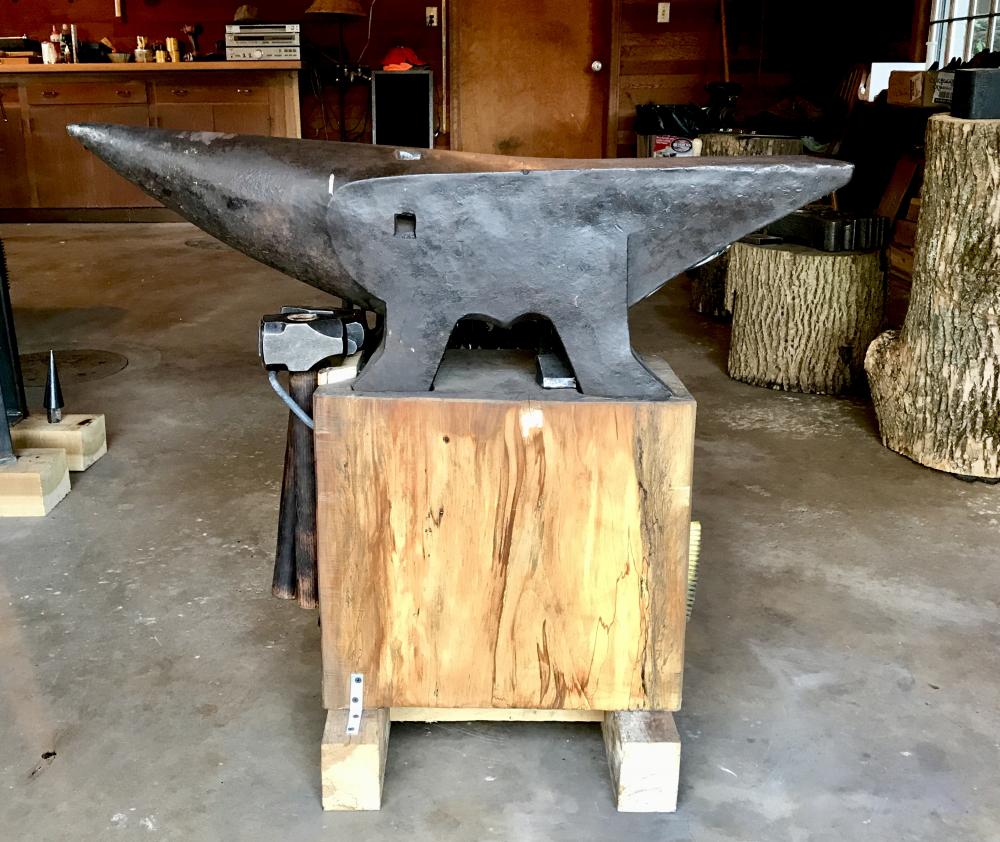
I wish more was known about the underlying design logic for anvils of this sort. Is the distinctive shape to meet specific needs of French blacksmiths or did they simply have different ideas (cultural, technical) about what made an anvil useful? Interested to hear what you all have to say....
-
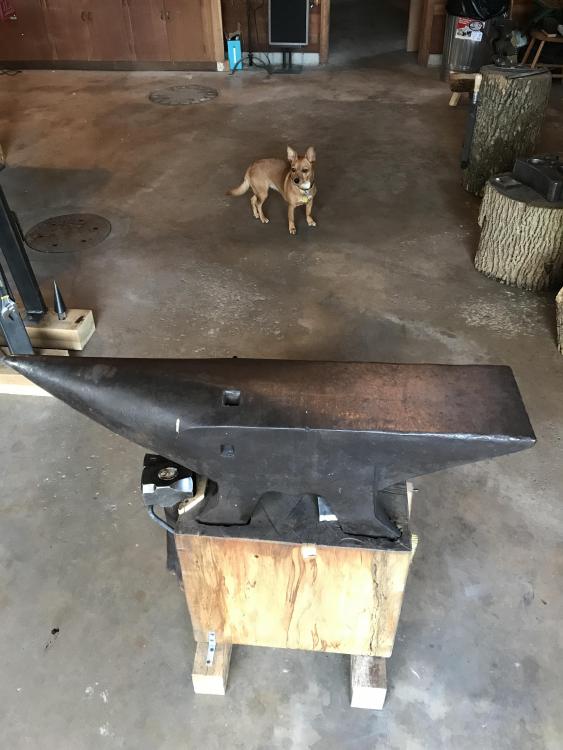
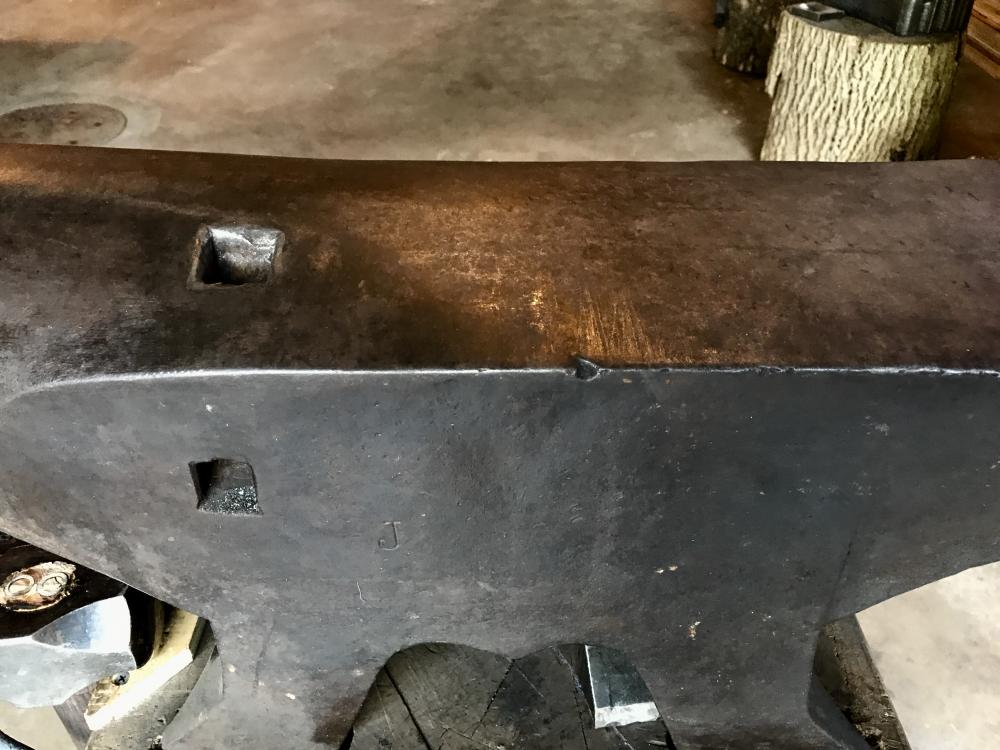
Not a lot of flat surface, but the endless range of curves come in handy. Nice edges on one side and crazy responsive rebound.
-
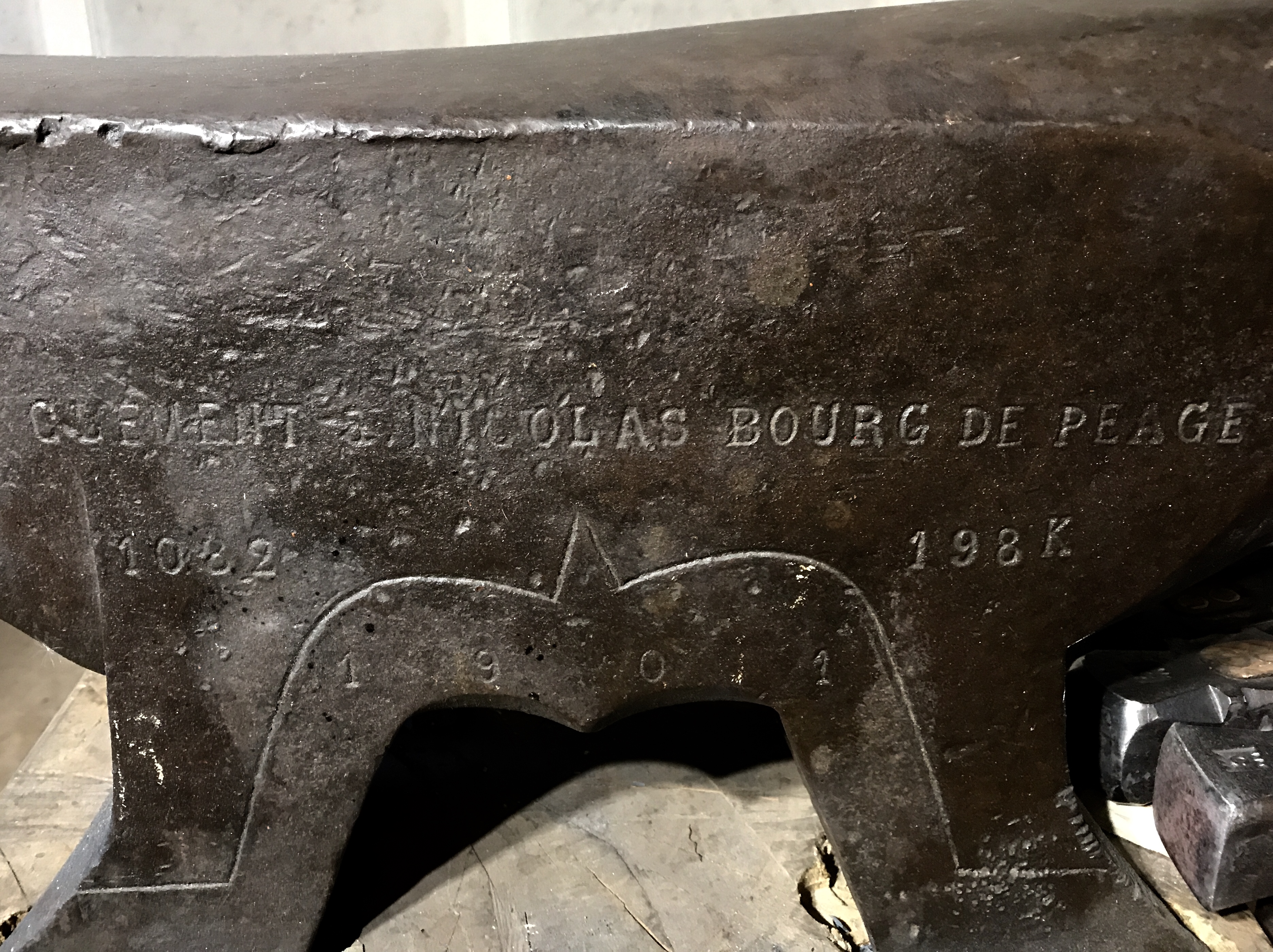
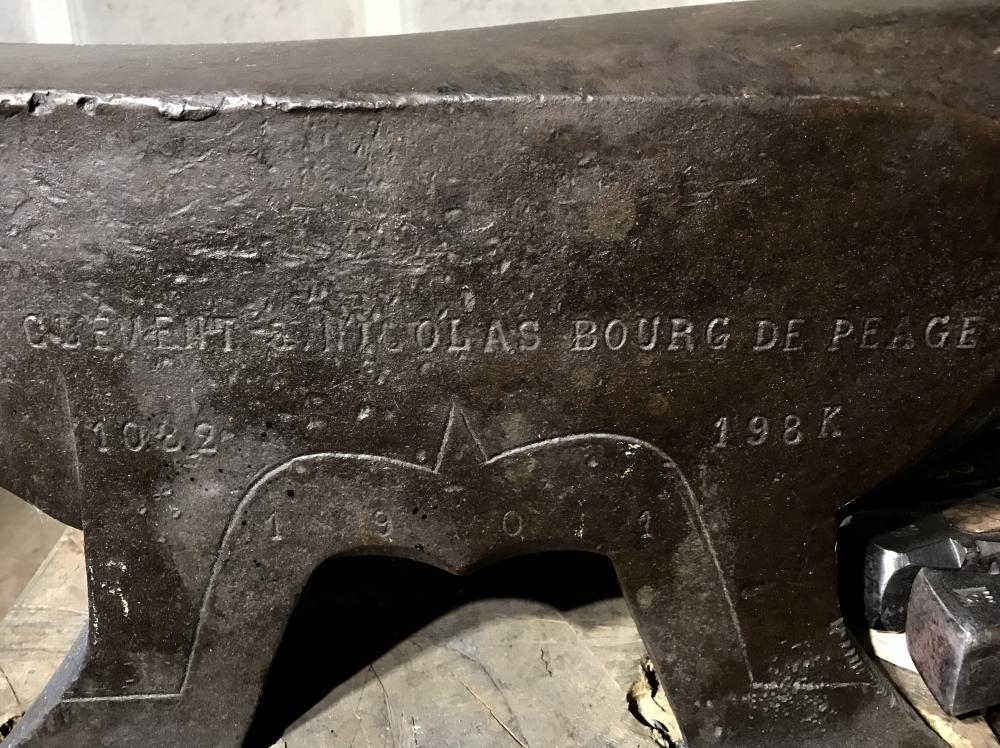
Clement & Nicolas Bourg de Peage 1901 198 kilos #1082
-
...take stock of the aching muscles you feel at the end of the day and think “Man, I can’t wait to do that again tomorrow!”