MC Hammer
Members
-
Joined
-
Last visited
Everything posted by MC Hammer
-
A few years ago I made the longest stone celt (hatchet-like head for those who aren't familar with Indian Artifacts) just to see if I could do it. I researched the biggest ones found archaeologically and made mine a few inches bigger. My point is, go for it Foundryguy! Not for bragging rights, but just to see if you can do it.
-
Both are great SOUNDING anvils, so it may come down to the little things that distinguish one from the other. At over 250 lbs you have a pretty large anvil in each of them. You are paying over $4 per pound so I would expect that the edges wouldn't be all chipped and dinged up and that the faces would be smooth without pitting, torch marks, etc. Pictures would be helpful. In a way it's like asking which Estwing hammer would be better to purchase......the old one with stacked leather handle or the older one with the stacked leather handle. Both are hammers, both will hammer nails. There's really only 72 years between them in age which is nothing in the way of anvils, so age seems irrelevant in deciding. If it were me I'd remove price and age from the equation and make a list of pro's and con's of the little things. Maybe one has a better eagle stamp than the other or maybe the other one has nicer edges. As far as performance goes, It'd be tough to find some here who has used both of those specific year anvils. Even if they had, it would be difficult to compare because each anvil is unique from the others made the same year.
-
I use swell-loc and it works great! I put a new wood wedge in there and get things nice and tight, then put the swell-loc in until it stops absorbing it. I've not had a hammer head come loose yet wit that stuff. I've had good luck with old hammers and using it too. I prefer to re-wedge even old hammers.
-
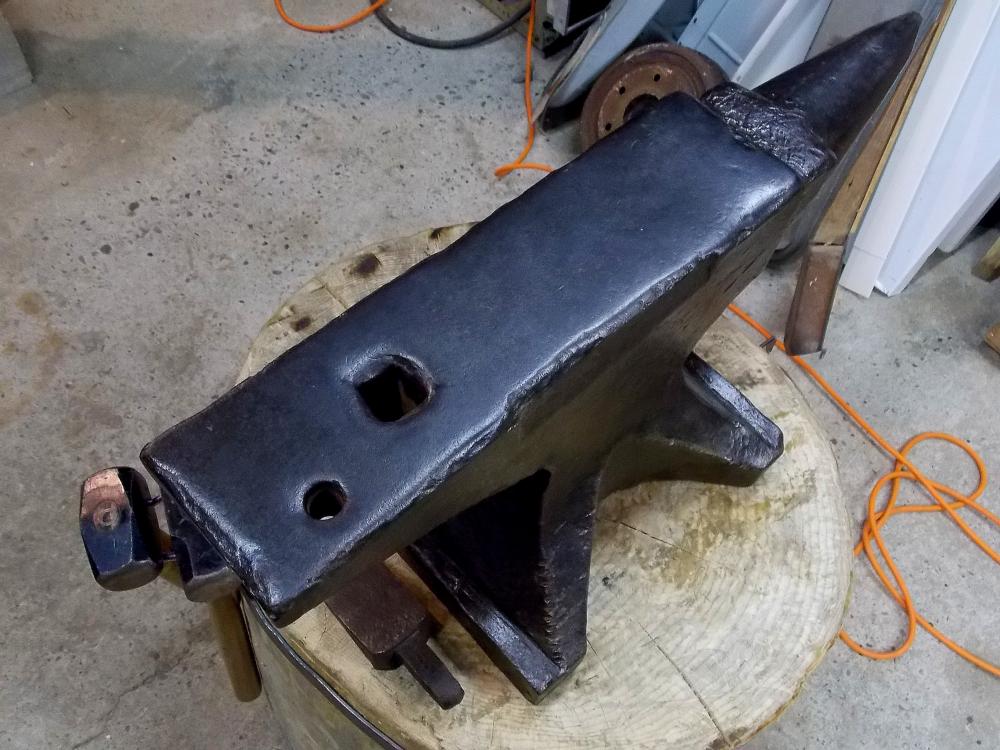
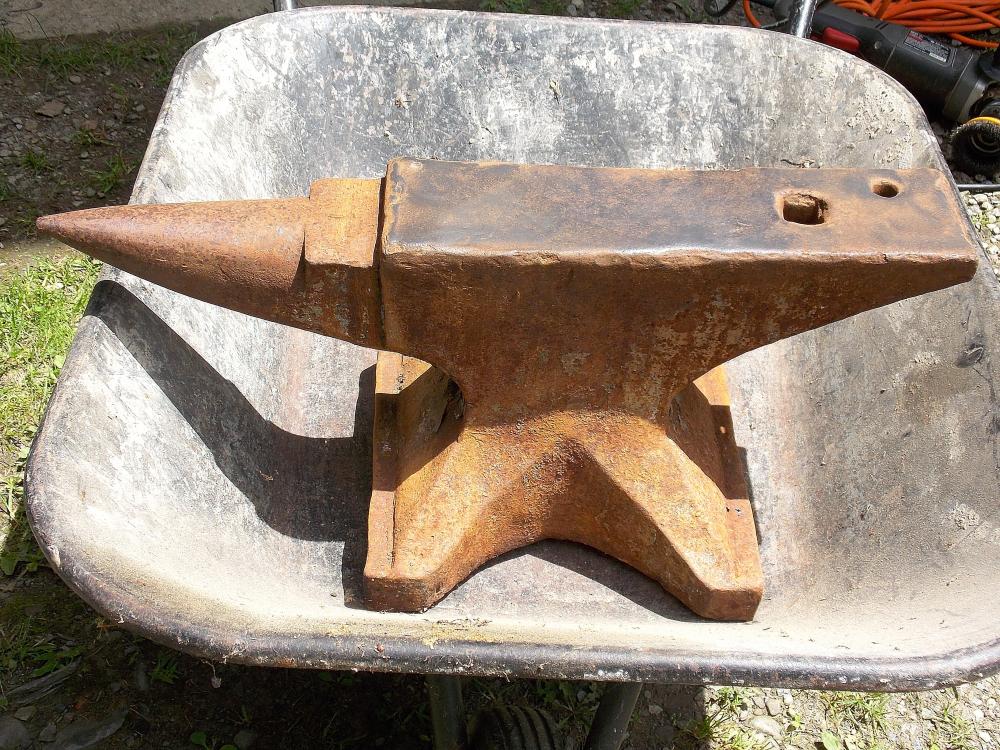
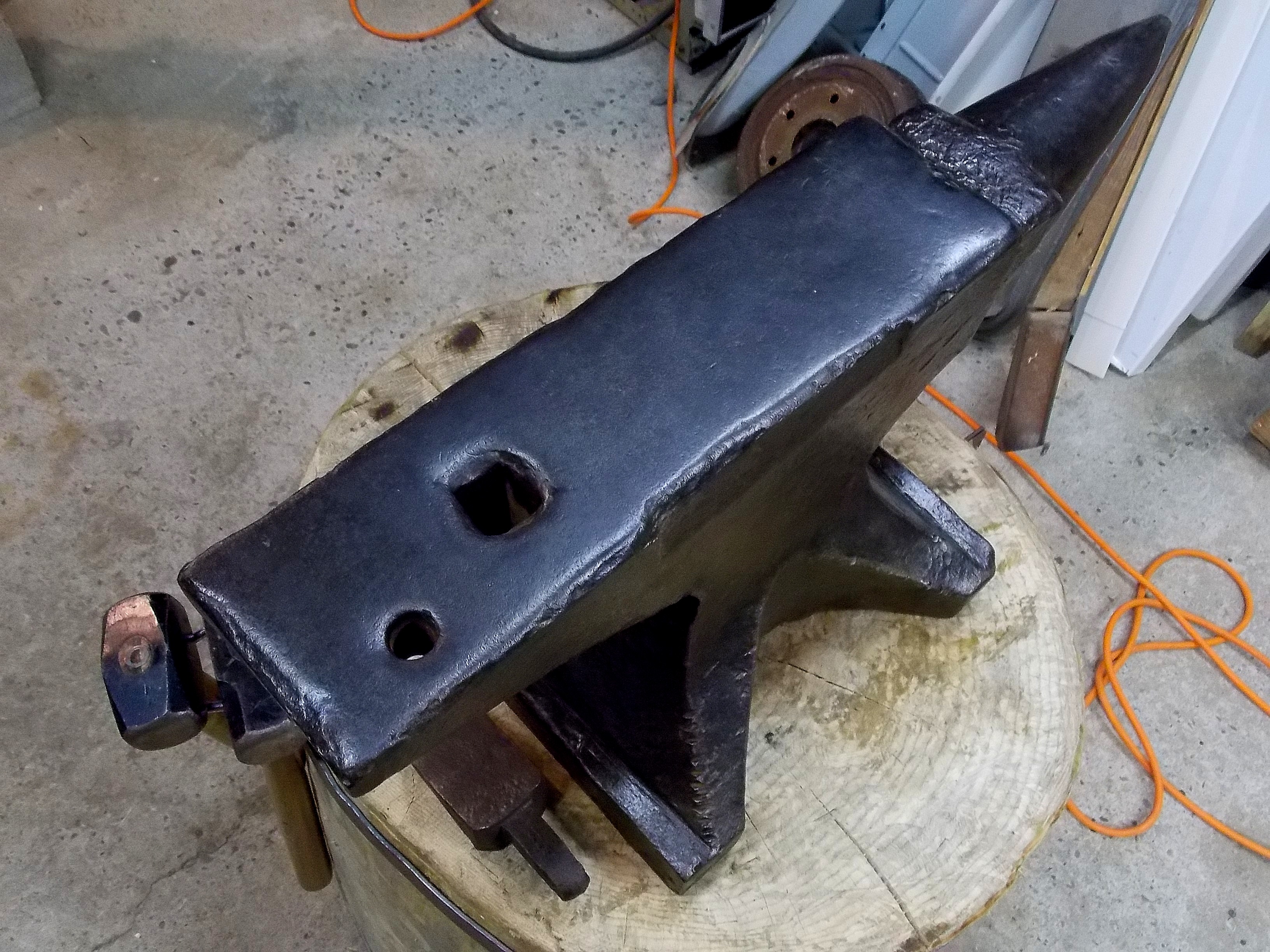
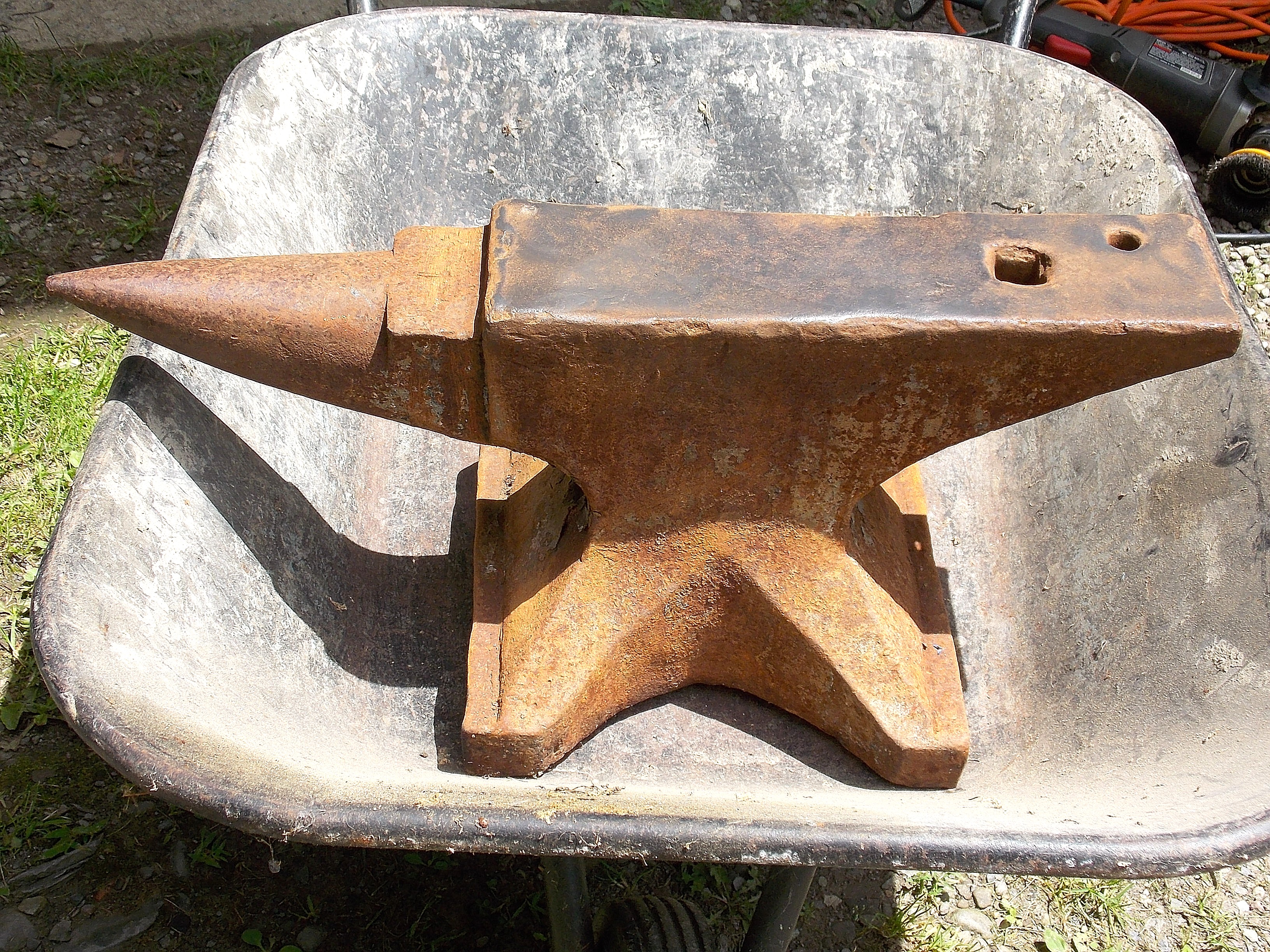
Hey, we all started out exactly where you are at. My first anvil was borrowed from my Dad and it was an old one but it didn't have great rebound and was more of an anvil shaped object that only weighed about 75 pounds. When I got my 179 lb Trenton, it was like night and day. Having a hard face helps in many ways. It's been argued and debated here on rather rebound matters since you are hitting a softish object like hot metal, but in my experience it made a difference. Of course adding 100 lbs of anvil helps tremendously too. Don't be afraid to ask the forum before you buy a used anvil. Take good pictures and make sure you've done a rebound test before posting because you'll be asked that question first thing. I'll tell you this too, $1, $2, and $3 per pound prices are pretty good for an anvil with a good face. $4 per pound pricing better get you a pretty much pristine anvil with no edge chipping and great rebound. You may have to settle. Mine I got for $2 per pound but I did have to accept the edge damage that came with it. All considering, it was probably worth more than I paid. With that said, deals are out there. Check out the TPAAAT thread that shows a tried and true method for finding anvils that works. It worked well for me and so many others. Here's my first anvil before cleaning up: Here's the face after clean-up Notice the edge damage. In our world it's not a big deal at all and this is a very good and usable anvil. You don't need crisp, square corners but you do need a face that's in good condition and I would say mine is an example of a face in good condition. Whenever you go to look at an anvil you may consider purchasing, take your 1 inch steel ball bearing, a ruler or tape measure, a wire brush and a small hammer. Ask permission to clean the face with the wire brush before doing the rebound test. Tap the hammer over the entire surface of the face listening for a consistent ring. A buzzing sound may indicate a problem with the face delaminating from the base or a crack or something of that nature. Age and manufacturer are not as important as the above tests. Be wise in this and don't be afraid to pass it up if you suspect it's not going to perform well. You also may decide some damage is not bad such as a big chip out of the edge back toward the heel (back of anvil) or maybe there's a piece of the tip of the horn missing. If the face is good and usable, you may decide you can live with the blemishes and then use them to negotiate a lower price.
-
The rebound test with the ball bearing just determines hardness of the face (top) of the anvil. Tapping the anvil on the face should provide you with a pleasant bell like ringing sound unless it is a Fisher anvil - they don't ring but are a great anvil. A hard face speaks to longevity of use more than anything and some say rebound helps in the forging process as well. I suggest you get a nice beverage, kick back and start reading everything you can find in this forum about finding anvils. I did and it helped me tremendously when I began looking for a good used anvil. Generally speaking, it's not likely you will find a great anvil in the $15 range. I paid $300 for my first decent anvil. Watch out though, people list junky anvils on CL and Ebay for high prices. A big price tag doesn't always mean a superior anvil. Take your time, save your money up and find a decent anvil. Read , read, and read some more. Check-out the book Anvils in America by Postman from your local library system. This will educate you on the different anvils out there. I always tell people not to spend big bucks on things they know nothing about. The more you know, the better position you will be in to bargain with sellers and avoid crappy anvils.
-
How much so far do you have into this forge project so far? I think you need to carefully weigh your investment up to this point compared with what you'll spend on buying a ready made forge. I commend you for trying to do this. I never even tried. I just bought my forge, unpacked it, hooked it up and started forging metal. Did I pay too much vs. a build? Oh yes, I certainly did. I paid $500 for a forge that someone else spent years perfecting the design, parts, and operation. The price I paid reflected the years of building, trial and error / production costs of making my forge. I think it is so great that guys build these wonderful working forges for so cheap and they work so well, but there is no shame in buying one either if you want to throw in the towel and I'm as cheap as the next guy. If you want to purchase a forge, I see nothing wrong with you doing so. Save this one and tinker with it as time and money permit. That's not giving up as much as realizing maybe you are in over your head a little. I personally think your set-up looks very dangerous. There's wood on the floor under the forge and lots of flames everywhere. I'm concerned with your safety at this point. I've never built a forge so in that aspect I tip my hat to your efforts thus far. I know this post will be unpopular probably but thought that someone ought to bring this perspective into the conversation.
-
There is a whole thread on anvil stands that if very helpful: I learned a lot from reading it and I wouldn't go to Home Depot until you read through it. On the anvil, I would check the rebound on it's face before I built a stand for it. Some cast steel anvils from China are good and some are nothing better than a door stop because they do not have hard steel faces (tops). Find yourself a steel ball bearing and drop it from 10 inches. If you get at least a 7 inch rebound the anvil will be decent. This speaks to durability. You can forge on a soft faced anvil but you will mark it up pretty good if you miss or forge steel at or near a black heat. As many will point out, for thousands of years blacksmiths forged on mildish steel blocks and anvils so it will work. I'd just hate to see you build a nice anvil stand, get to work with it and find your anvil is pretty soft and you need something with a hard steel face.
-
Great information Thomas! I learned a lot just reading your posts on this thread and I'm not even interested in armor a whole lot.
-
Very nice and clean job Ted! My only recommendation is that you use a punch to countersink the screw or bolt holes. I made the same mistake on my first coat rack last year. When I made lantern hooks for the dinning room this spring I used a punch to countersink the holes and it made drilling easier and the screws recessed nice and flat to the stock surface. If you want to punch the holes all the way through that's fine, but I prefer to drill them so that they are exactly where I want them. I've punched my holes before too and it's pretty easy as well. Your scrolls look just fine too. The great thing about scrolls is that they vary so much that you can get away with a tight one if that happens. I just try to make them all scrolled close to the same way. Great job....."It will hang"
-
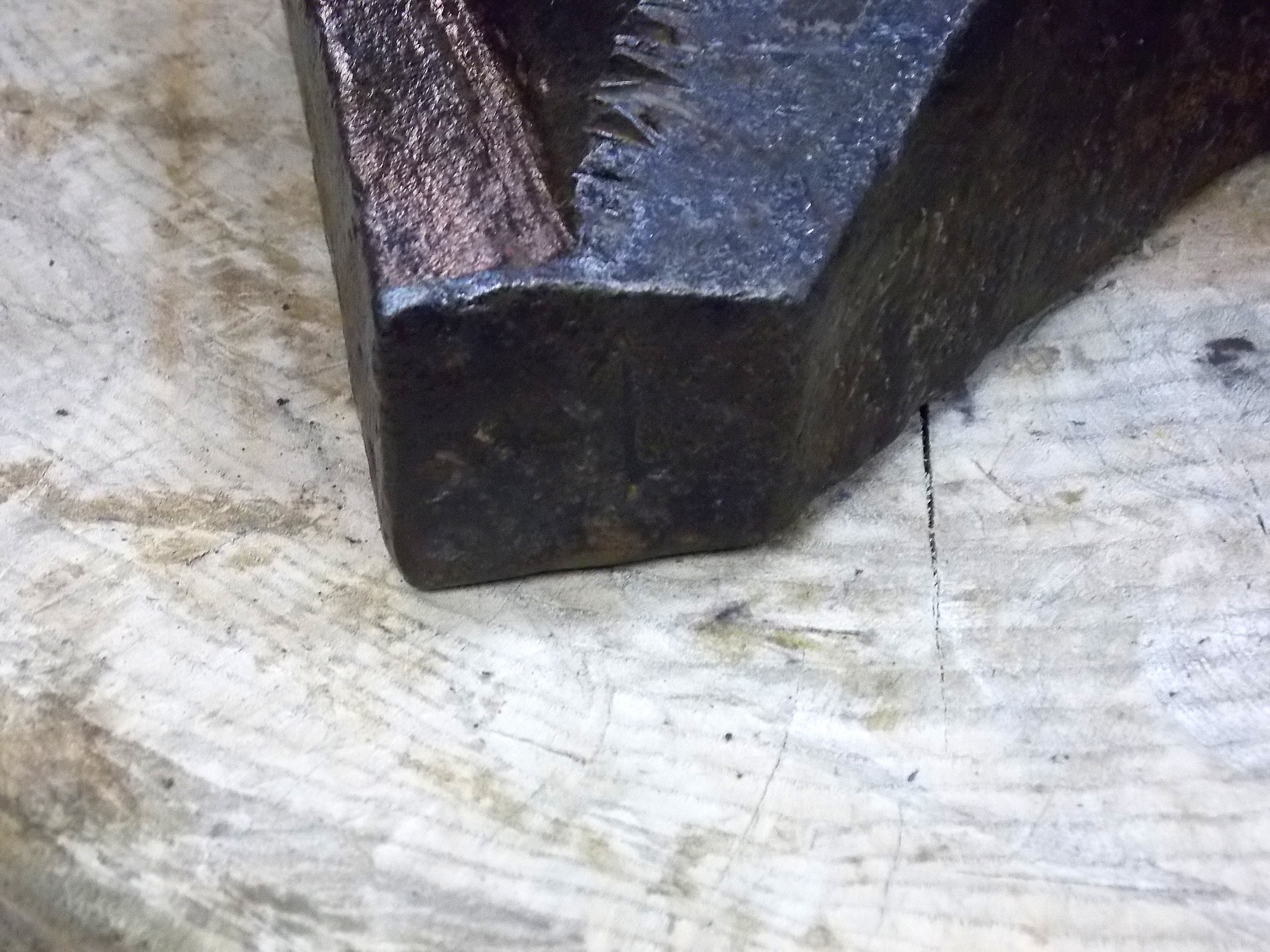
Mine is a Boker and here's what the flats of the feet look like for comparison:
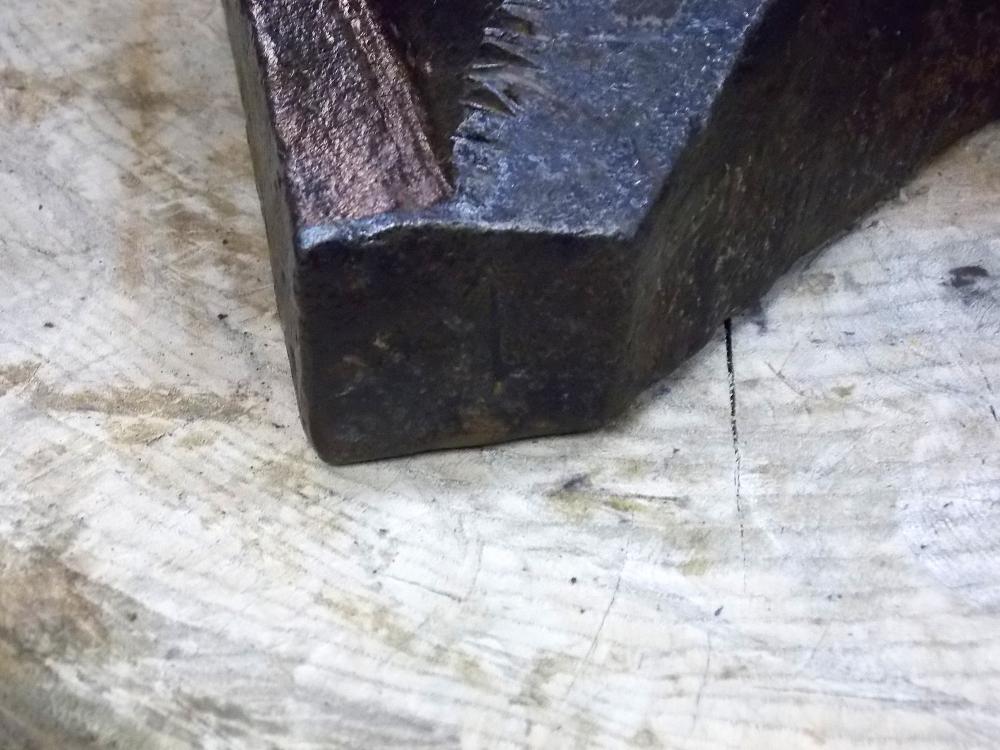
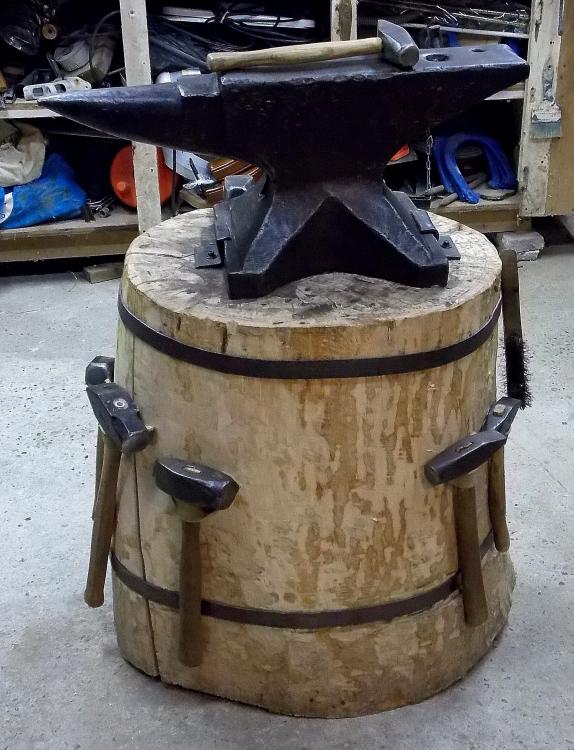
-
Oh yeah, then I just spun around and said "Stop.......Hammer Time!" and went back to work.
-
I learned as a flintknapper to stop when that little voice says not to do something after breaking many a flint points in various stages of finish work. It's served me well in blacksmithing, especially with getting burned. That voice says "Ah, MC you better get a hold of that piece better before hitting it." or "Ah, MC let that piece drop clear and jump back."
-
Though I loath the price hike on blacksmithing tools, the other day I was thinking differently about this situation. Many tools are getting rescued from the scrap yard and where ever else because people have an interest in them and they have value. Sure, how nice it is when you can pick this stuff up for cheap but I think there will be many tools that are now preserved for future generations that would have been scrapped if this recent fad upsurge hadn't happened. That may just be a blessing in disguise for those of us who will stay in this craft for a long time. Like investing, if you are in it for the long haul you reap the benefits of sticking with it. I think there will be good deals to be had in the coming decade or two. I used to participate in a rather serious group of paintball players that bordered on military operation like days in the woods. I hadn't used my equipment in about 14 years so I sold it all on Craigs List for $50. What a deal for that young man, but I just wanted to get rid of it. I think you'll see that happen with blacksmithing equipment as the bubble bursts and those that got into it big and fizzled out will be wanting to just get rid of their stuff. On the topic of the OP, we can't discount those that get an injury that makes them stop forging. A bad rotator cuff injury would be all it would take or severely broken hand crushed in machinery and you'd be faced with selling everything or learning all over again with the other hand. I personally would become a lefty rather than sell my equipment. For grins one night I tried flintknapping with my left hand. I was surprised at how far the knowledge carried me. The muscle memory wasn't there, the experience still allowed me to be much better than a beginner using their dominant hand. Of course I was a lefty until age 4 when my parents said I just switched to be a righty overnight.
-
PS....I do not believe the horn is broken as I've seen quite a few like that.
-
I second that, pictures of the anvil are the most help. Many are identifiable just by shape and where /what the writing is on the sides. We can also see seams that may tell us it's a cast iron anvil shaped object. Without the pictures it is very hard to provide you with the information you are looking for.
-
I think it's a very early anvil. It could be from the 1700's given it's shape, style and lack of a cut-off shelf and pritchel hole. Many of the colonial anvils I've seen identified as such look like this one. With that said, it's tough to know for sure. A 1713 anvil could look the same as a 1799 anvil in that same style. Please don't grind it or modify it in any way, but you should be safe to use it, it all depends on what you intend it for. Some collectors would gasp at using an old anvil to forge with.
-
Let me see if I can help here. It has the early English pattern and pound weight stamped on the side. The "1" stands for 112 pounds and the "2" stands for 56 pounds (2 x 28 pounds) and the "15" stands for 15 pounds so your anvil weighs approximately 183 pounds if I've figured it correctly. There were a lot of makers using this style of anvil including Mousehole. I can almost make out "hole" on the end of the letters, but I've not seen a Mousehole stamped with "Improved" or "Best" on it. The best guess I can give you is that it's dated somewhere in the 1800's most likely. Wish I could be of more help, maybe others will have more information.
-
I've never seen a picture of a PW with the pound weight stamped on it. Maybe it's one of the early Trenton's still using the base with feet that was somehow not marked with the Trenton logo? Could it be a Buel type and we just can't read the stamp on the side?
.thumb.jpg.f2682fba4060b920aac6c0bd551735f6.jpg)
-
Sure looks like a Trenton anvil to me. Here's an old add showing a bottom like yours. I'm not sure if any other makers had a recessed base like the Trenton's. Others with more knowledge will chime in I'm sure.
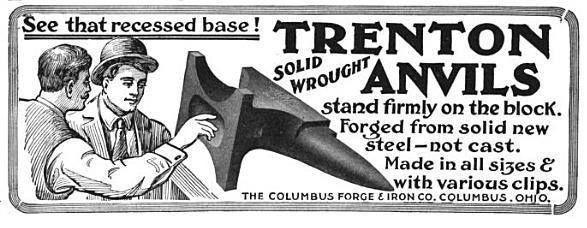
-
There were some anvil makers that made their anvils and stamped them with hardware store markings. Your anvil could be a Trenton. Try sending a picture with the side view that has the writing. Even if it's hard to read, some of us will know just from seeing the writing exactly who the maker is.
-
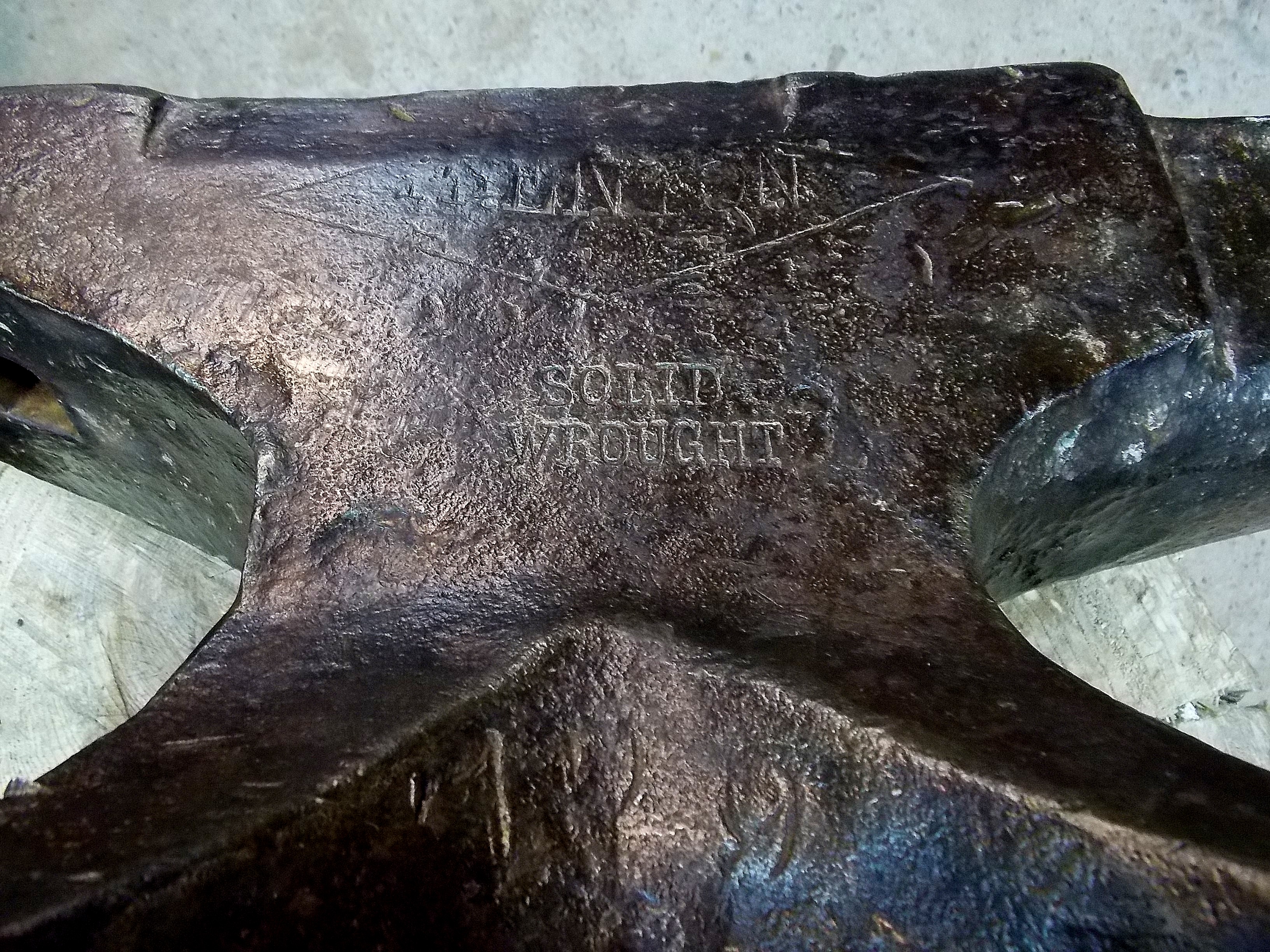
Sure does look like a Boker, but it should have the Trenton mark right above the "Solid Wrought". Here's my 179 stamped on my Boker and his 178 looks like different sized and type numbers. I'm not convinced it's a German Boker but it sure does have some similarities.
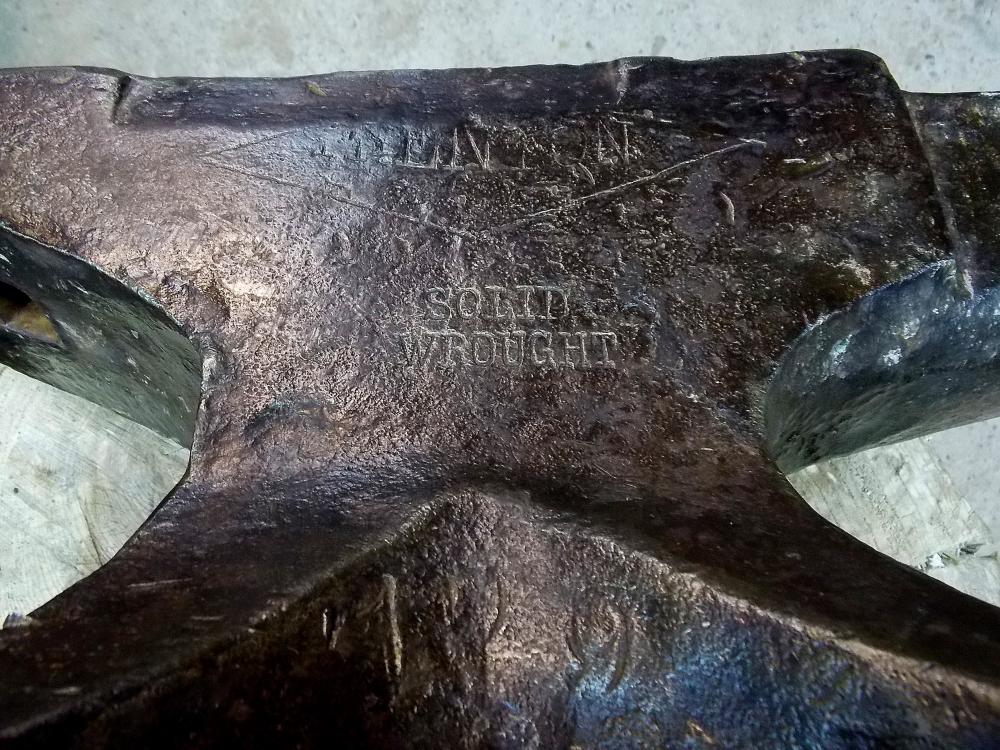
-
Me and my wife watch LOTR & the Hobbit extended versions at least 3 times a year. We love them as well.
-
Hey we joke, but the old time tools and crafts just have so much character. The life blood of each craftsman can be seen in their tools. Roy Underhill from the Woodright's shop once showed a plane that had finger marks on it from the German woodworker that used it so much. I have a tin smith's wooden mallet that has scrapings, dents, and scratches where his wedding ring knocked into it for decades. Newer tools don't show this kind of wear in the same way. The old tools made it hard to tell where the craftsman's hand ended and the tool began because they were like extensions of their own bodies. This was all back in a time when people took time to make things and the idea was that they would be durable and last - outlast the maker. One of my flatter heads is all pitted and I can tell it was found by someone buried in the ground as it has that look. That thing was made long ago most likely, forgotten about, buried, and now it's back in action after touching up the face to make it smooth again.
-
It doesn't affect the performance of the vise, but it's just good information to have. My vise came out of an old blacksmith shop in Maine and was taken very good care of other than the person cutting off the 3rd bolt hole on the mounting plate.
-
I suggested the water process because he was working with water. I personally would rather fool around with oil because water is quite a harsh quench, but those that use water claim it does a superior job. I guess I'll find out. Coil springs are easy to come by and cheap at the scrap yard. Hanz - it sounds like your instructor wasn't really giving you clear instructions on the tempering process. It seems to me that your breakage issues are with this area. Try oil, and try the water methods mentioned above and see which has the better results for you. I'm not sure the high grade quenching oils will have much of a benefit for you if you are making tools. Like many say here, start with easiest and cheapest and work up from there.
.jpg.88aad4f7e794e5620deb3cb0553a075e.jpg)