Jarntagforge
Members
-
Joined
-
Last visited
Everything posted by Jarntagforge
-
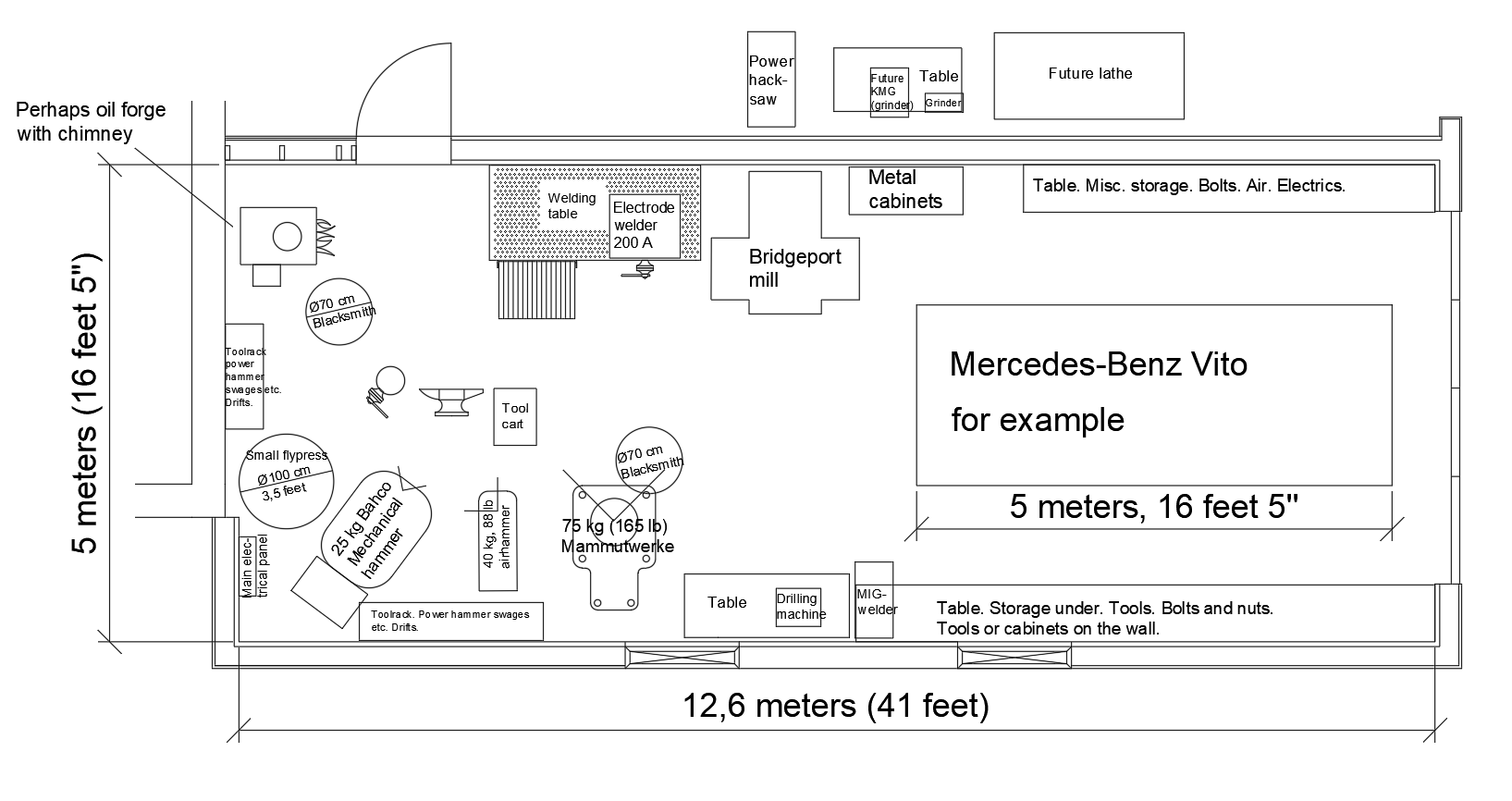
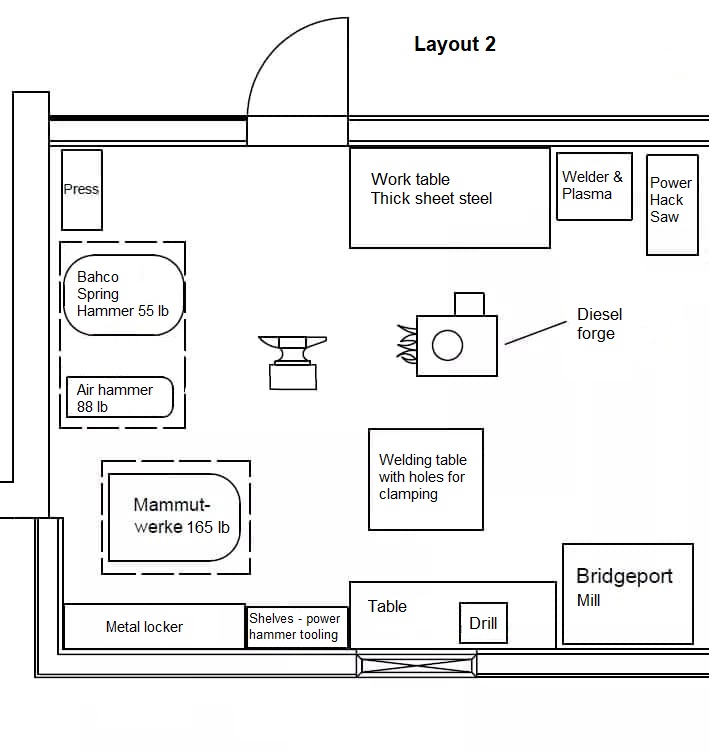
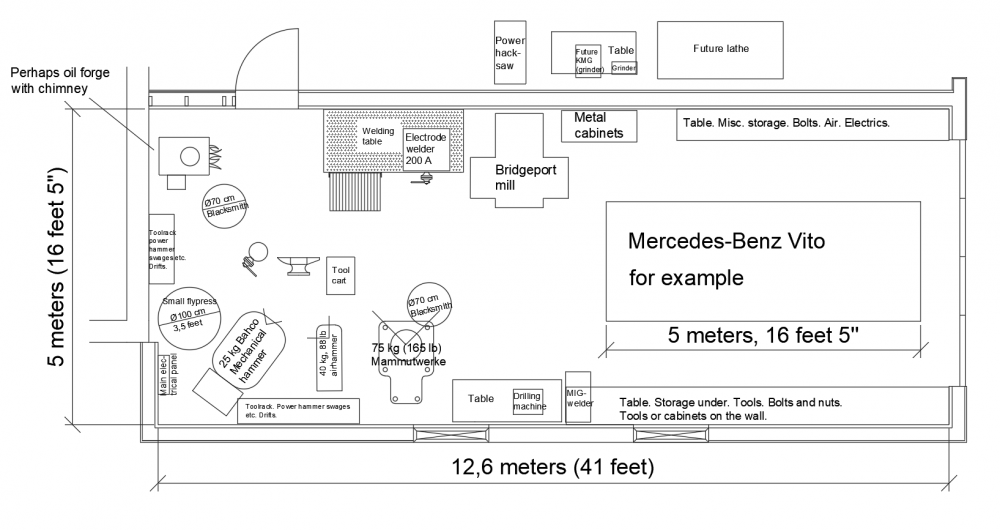
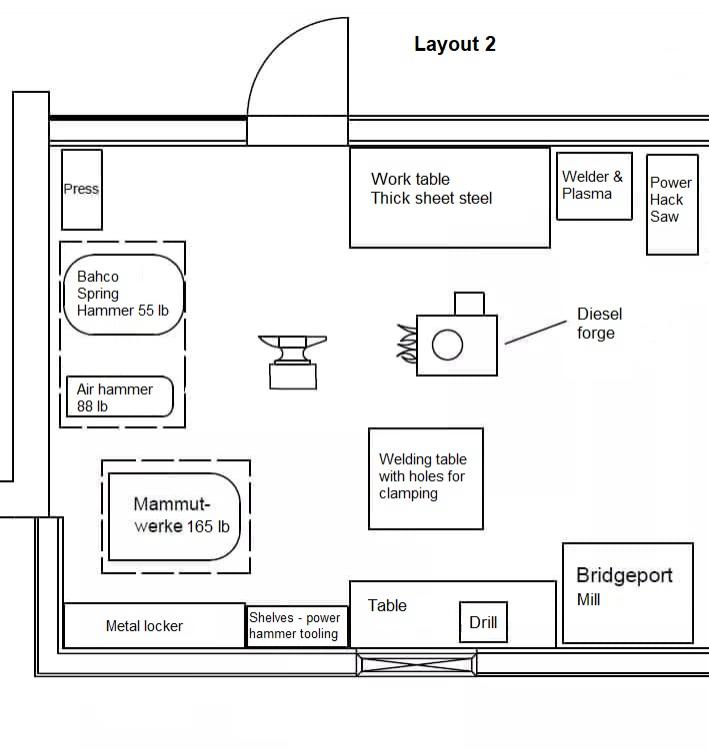
I know I'm still not that experienced to actually need three hammers. My skill level could be described as Intermediate. And I should listen to the veterans who knows best... But I'm young still and I think I know best! ;-) Three hammers is a lot but just look at Black Bear Forge or some production shop, they have many hammers and presses. Torbjörn Åhman has two hammers. I agree I could get by with only the big one, but it would hurt my brain to leave two hammers in storage. I'm planning on forging axes. I'm building this shop mostly as a blacksmithing hobby shop. Car maintenance and farm equipment maintenance is a welcome bonus. I made a new layout iteration. I like the forge against the wall.
-
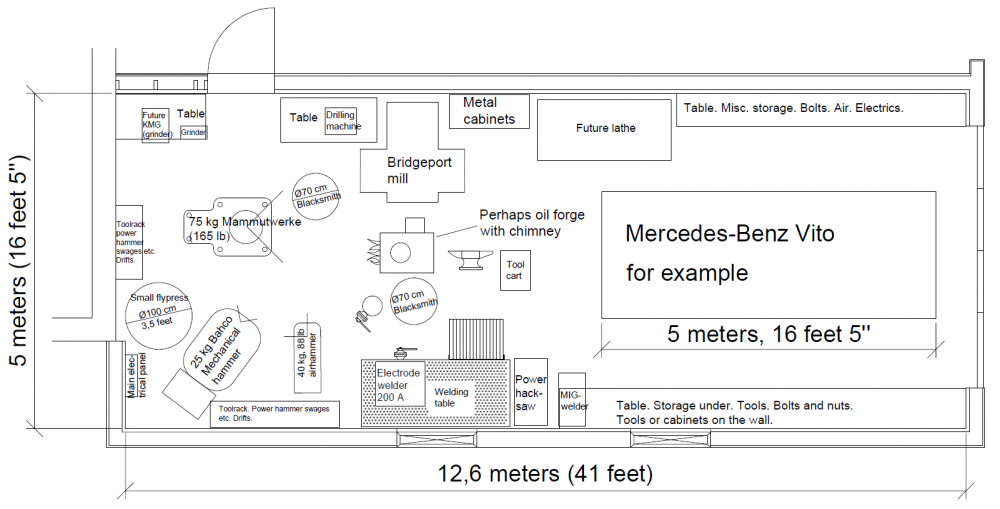
I could mock up some hammer like cardboard cut outs. That could help sort things out. I know what you mean Frosty. It would be good to separate it. But it should be fine for the moment because it won't take much abuse. Because I'm not that proficient a blacksmith! So I'm not going to be grinding and blasting scale very often for the time being. I have to build an addition to a house and renovate it after this workshop is finished. Also I will become a father in two weeks. And we have a small farm that needs some time. I'm putting underfloor heating pipes in 2/3 of the floor for future heating possibilities. For the near future I'm not sure. I only need 10 degrees C and I only need heating for 5 months of the year. So it's not that crucial. For now I think I'll use any electrical air heater, gas burner or diesel burner, and use the floor heating in the future. I plan on burning wood chips to heat the house, and likely my parents house also as they are getting old, and might want to stop using firewood. So I might heat the workshop also with that same heating system. One heating unit for 3 buildings, perhaps it's called central heating. anvil, correct. I don't have much experience. And the car wouldn't be there. I only leave space for a car. I'll drive a car in there sometimes for maintenance. My layout has 3 tables for example I could reduce to one or two.
-
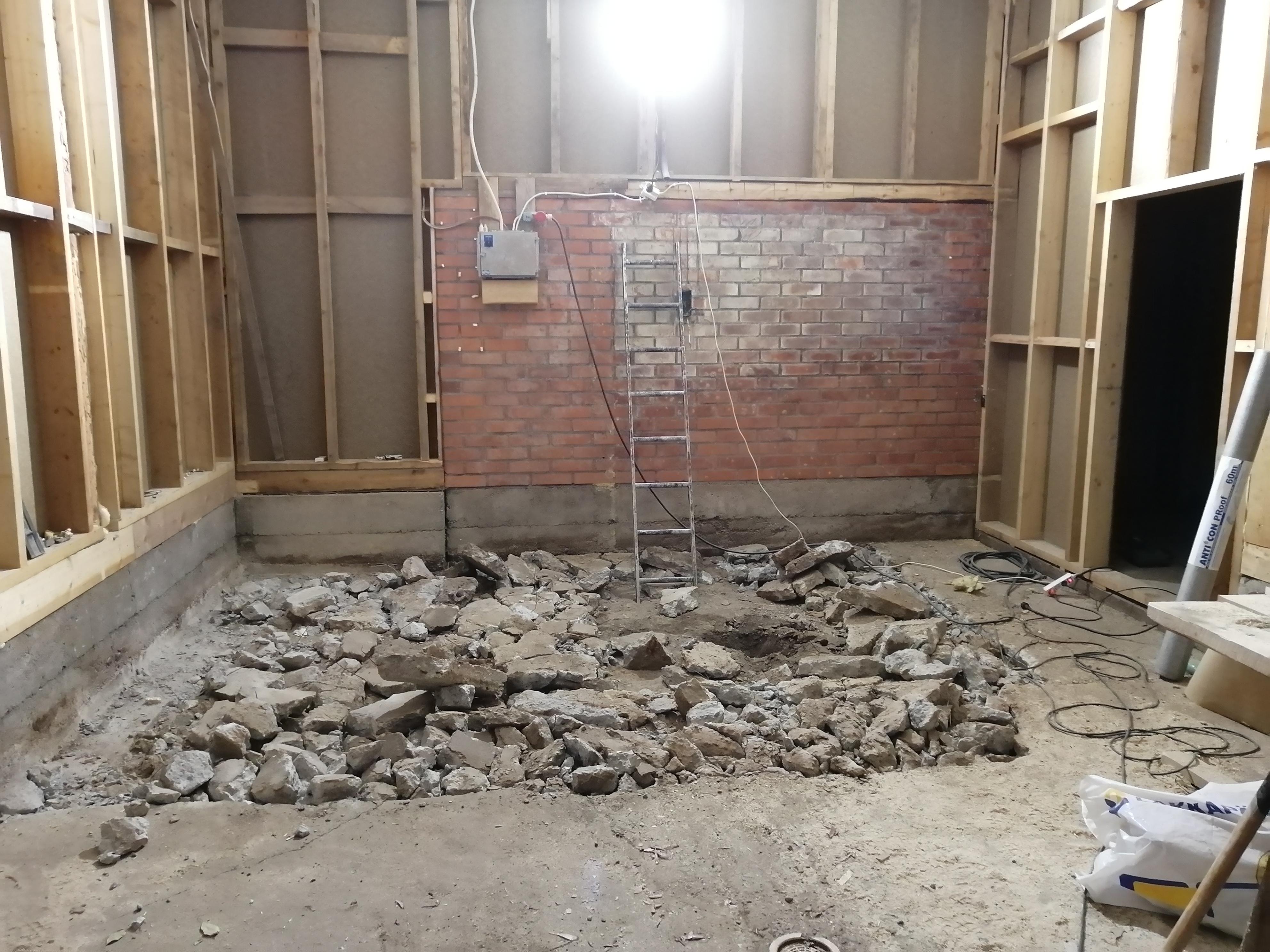
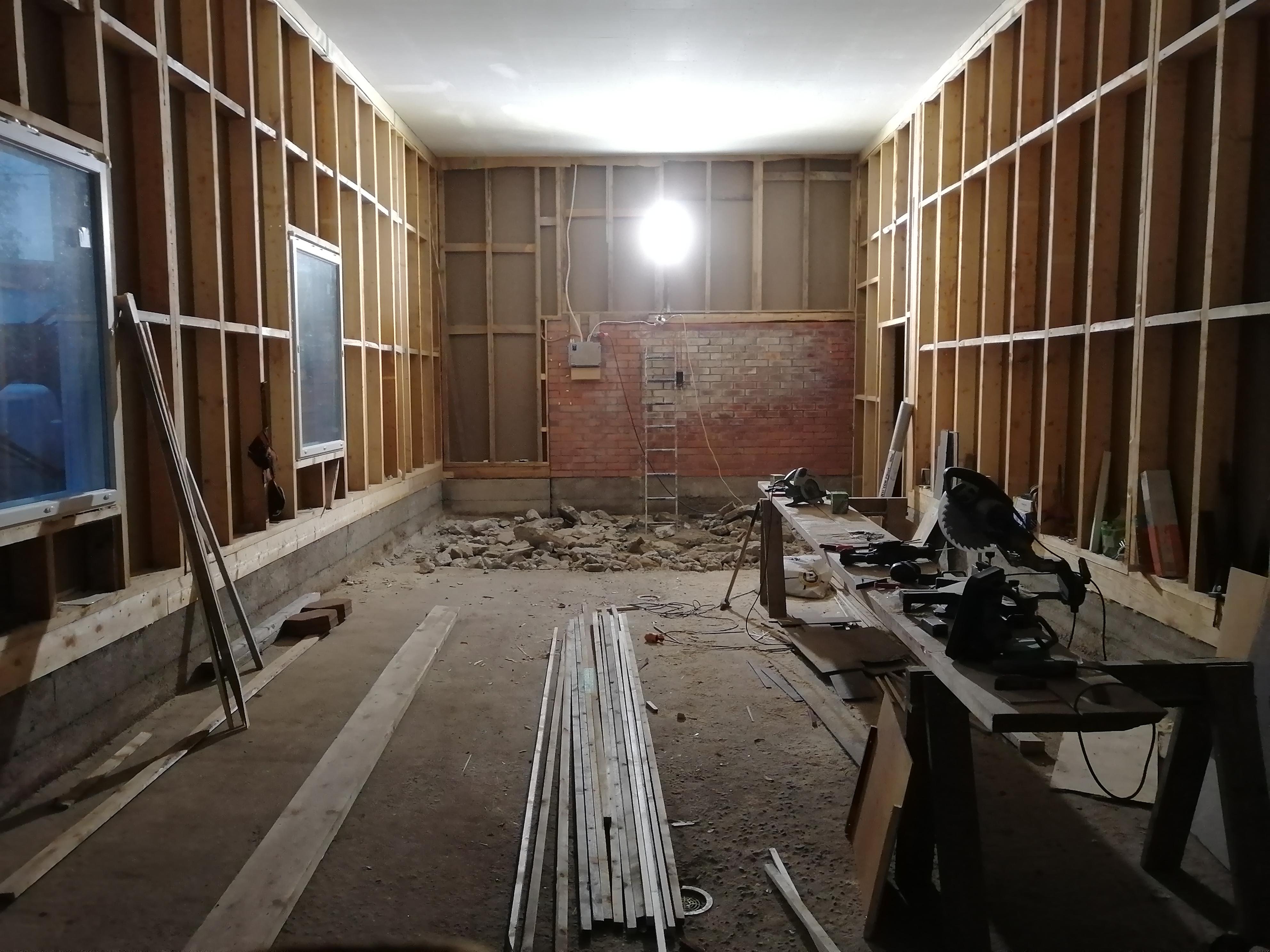
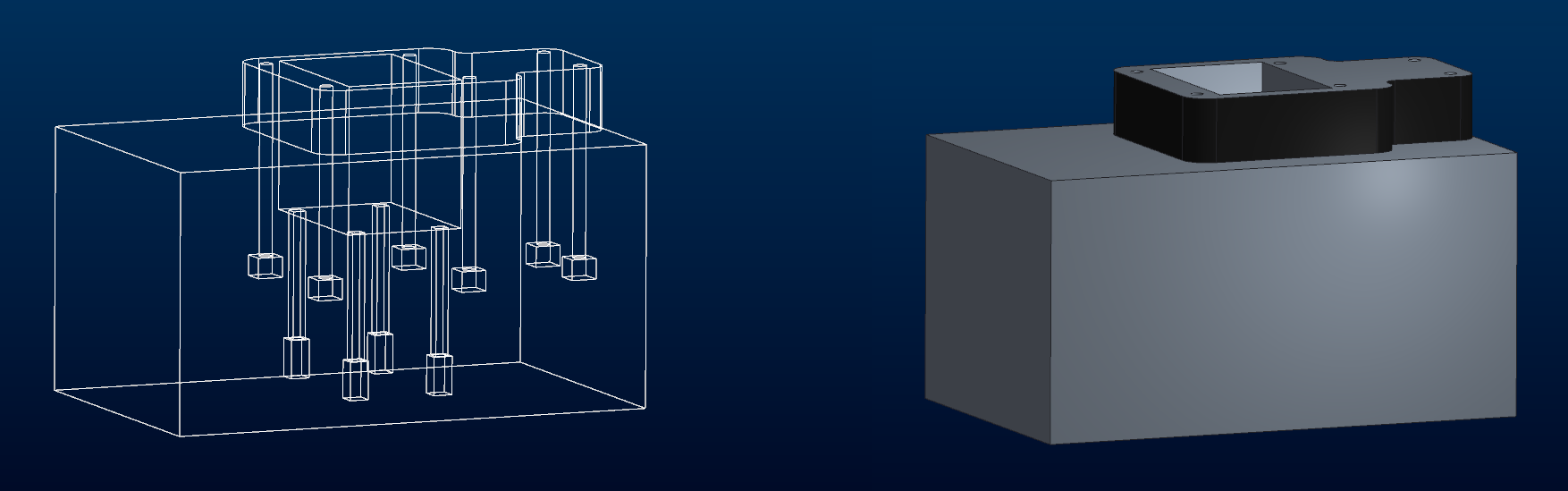
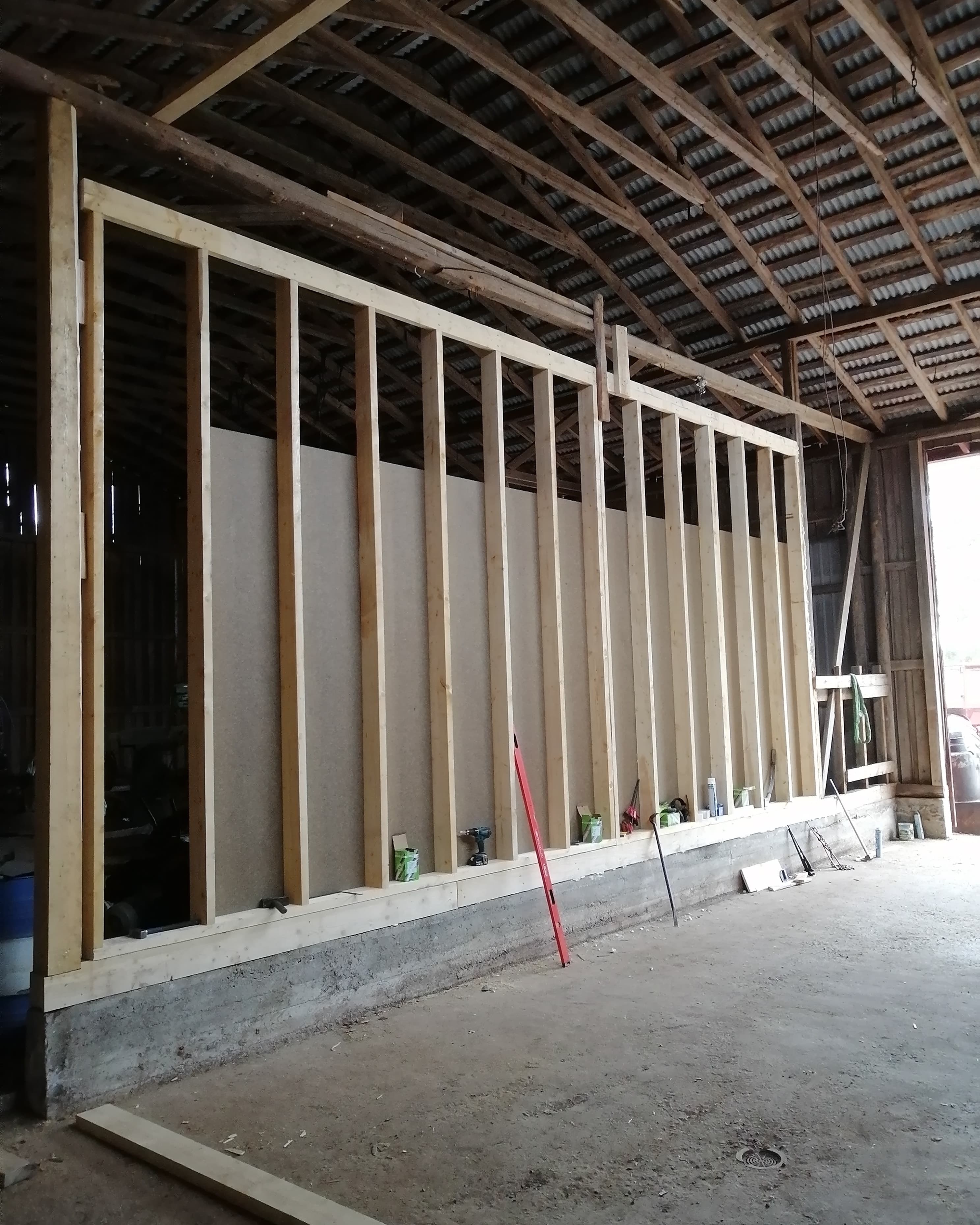
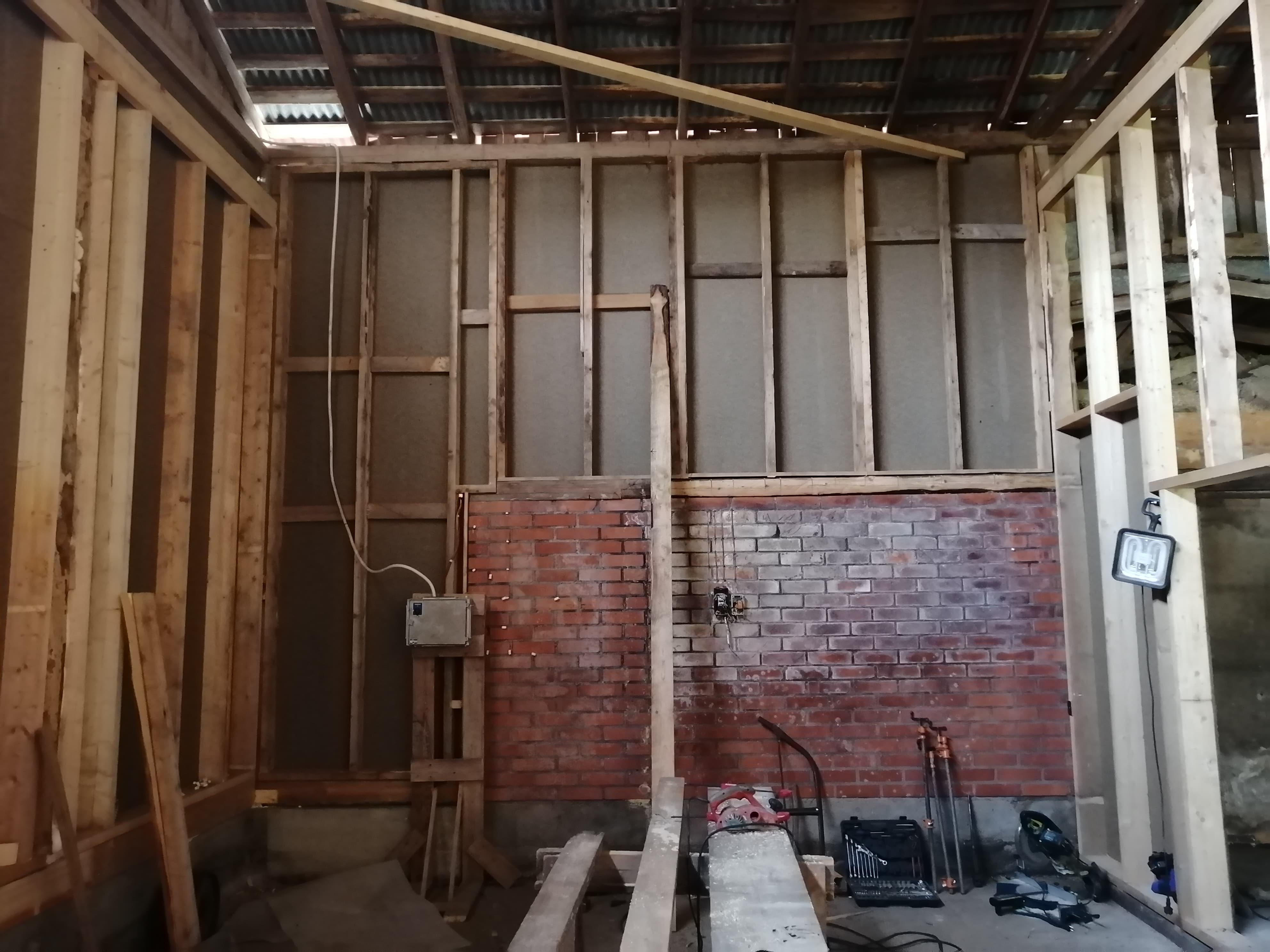
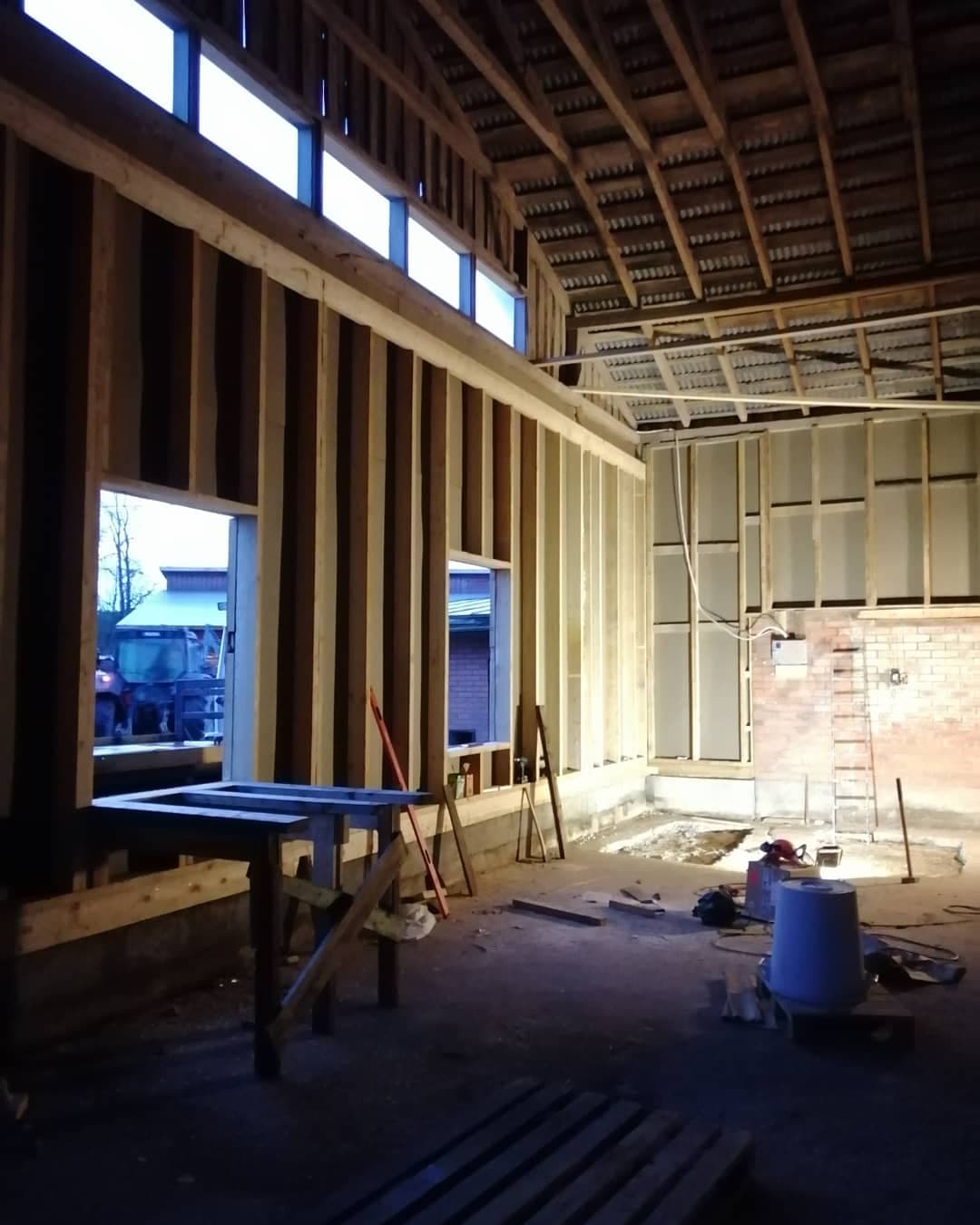
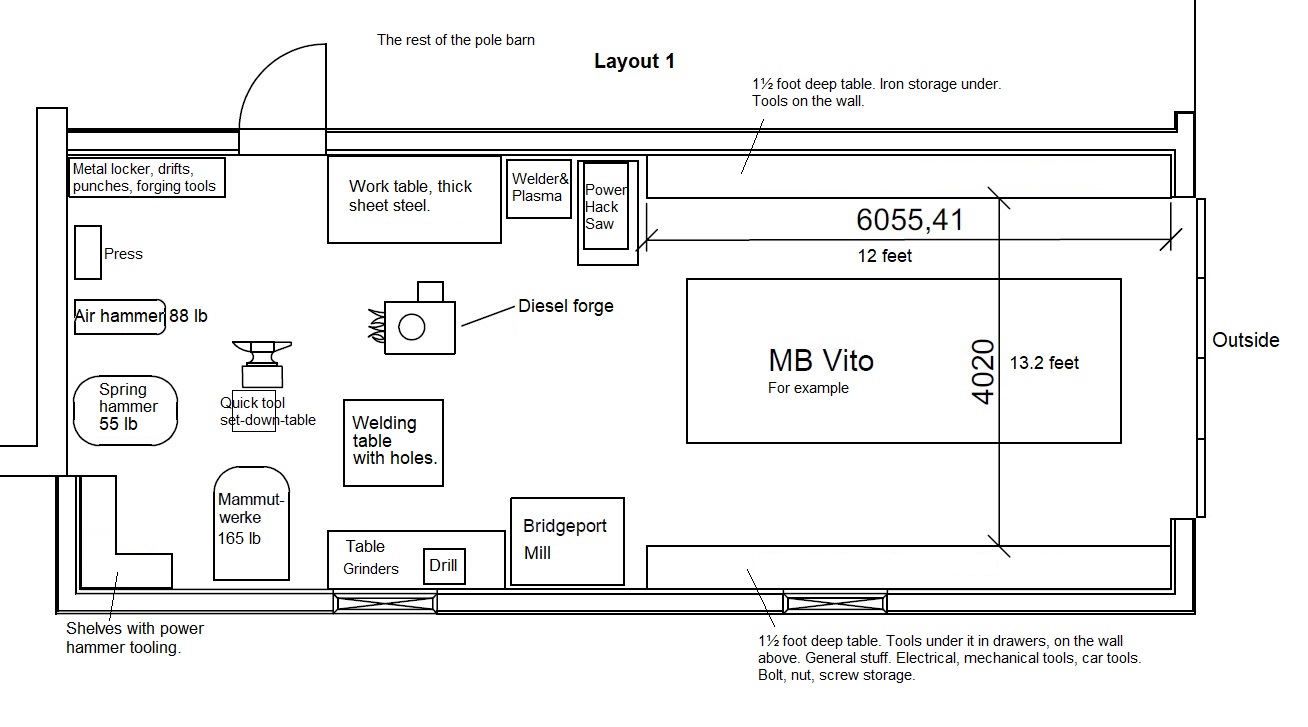
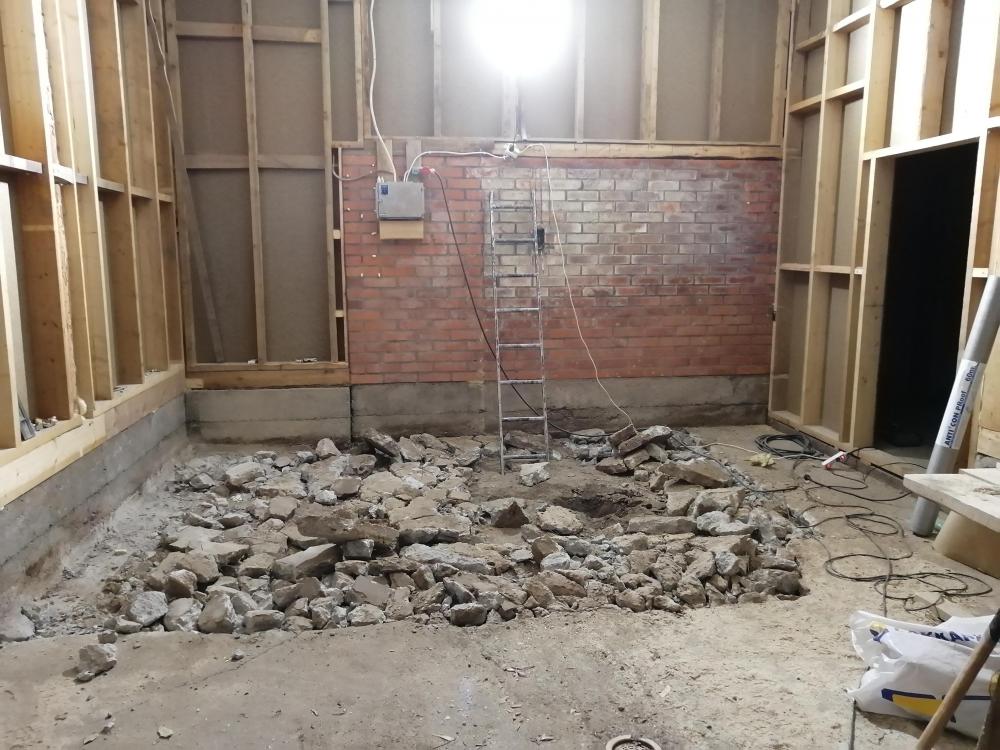
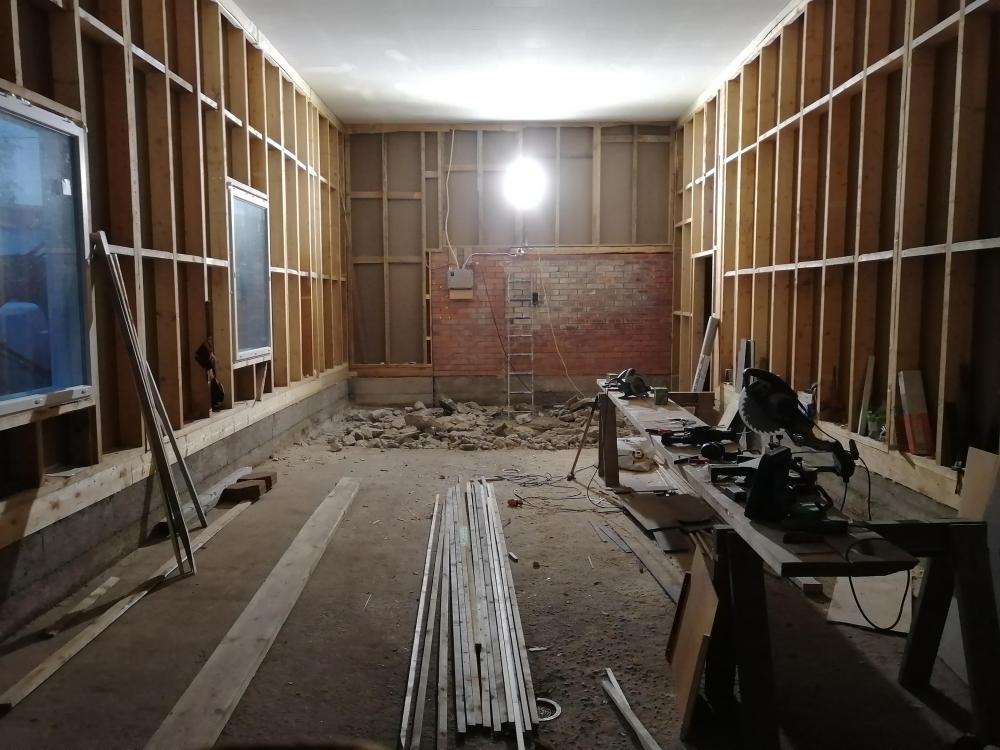
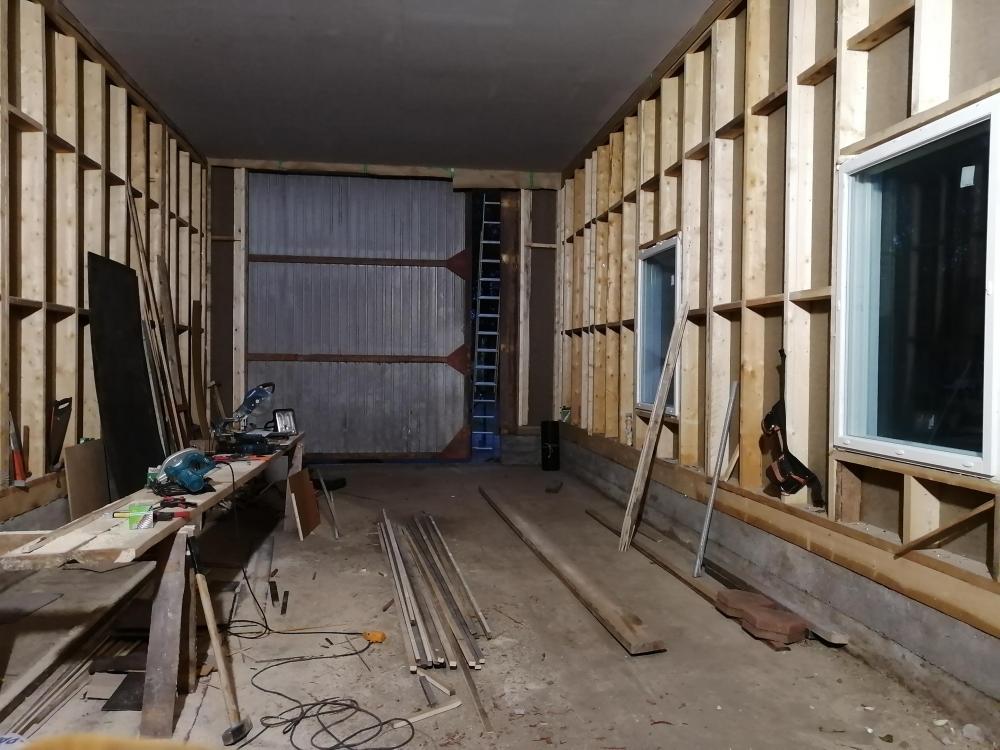
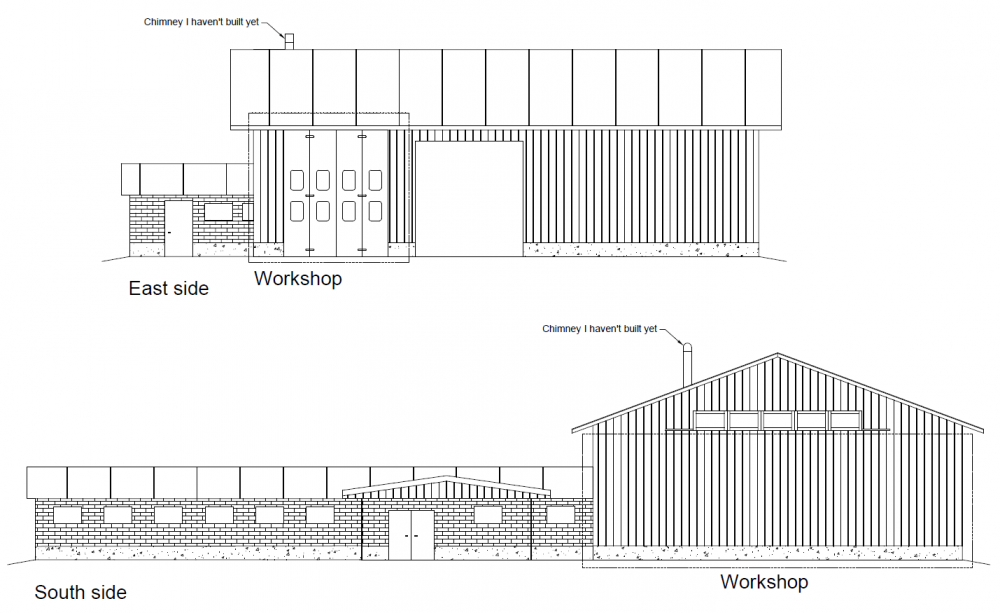
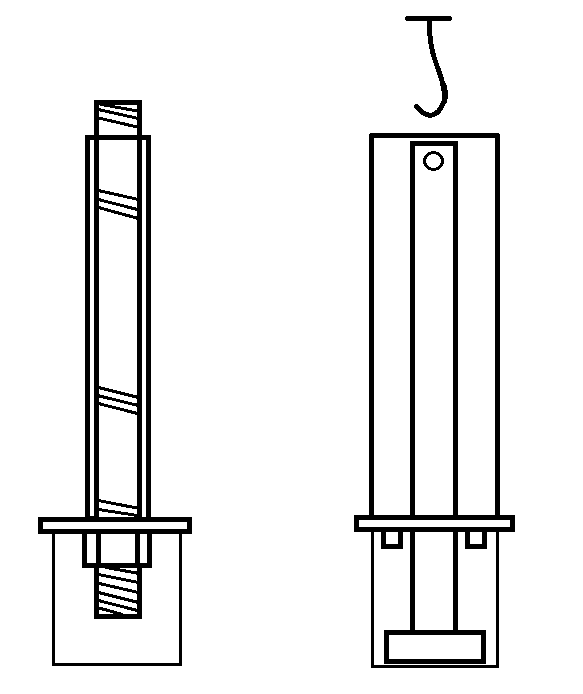
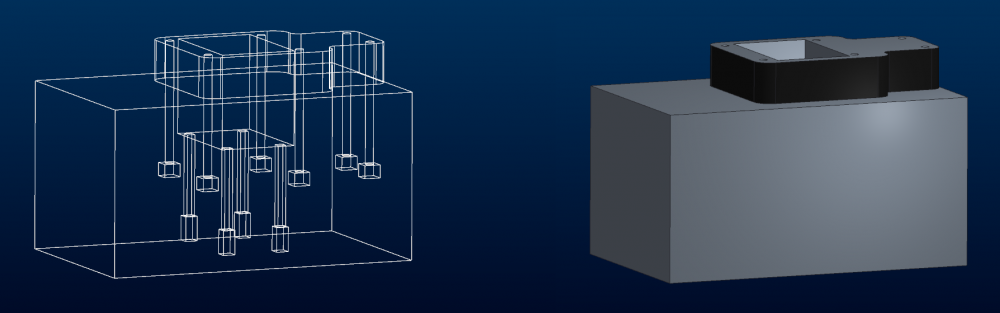
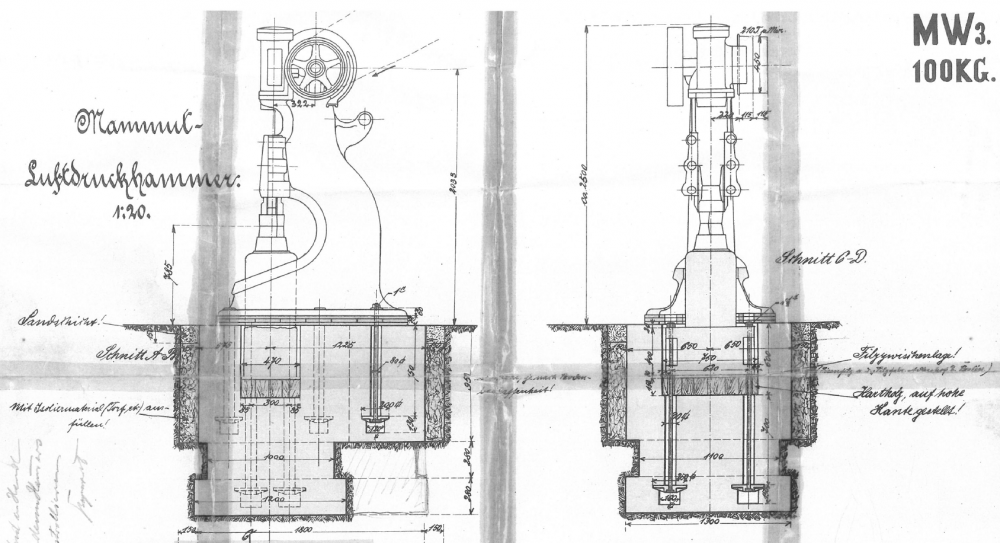
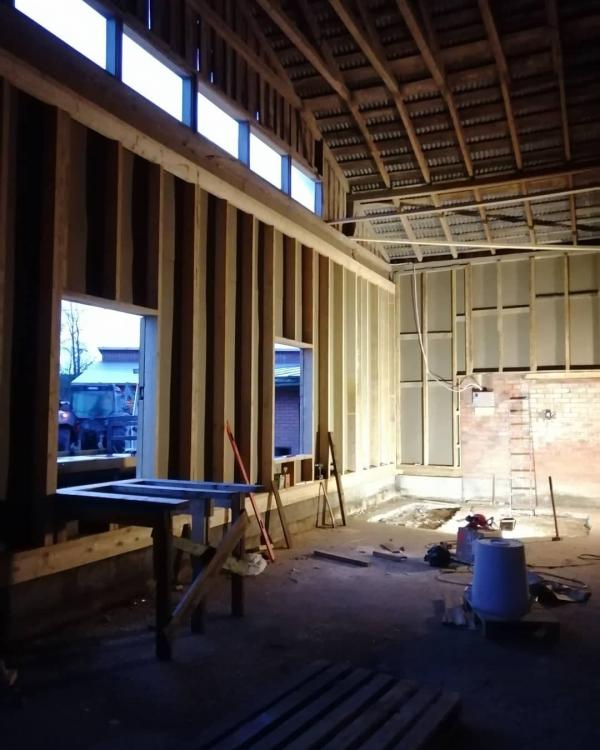
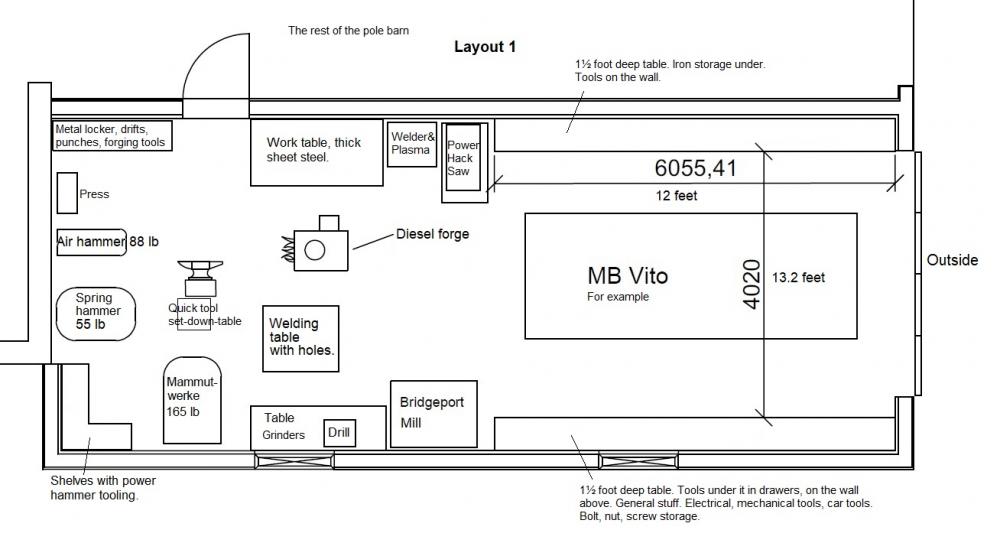
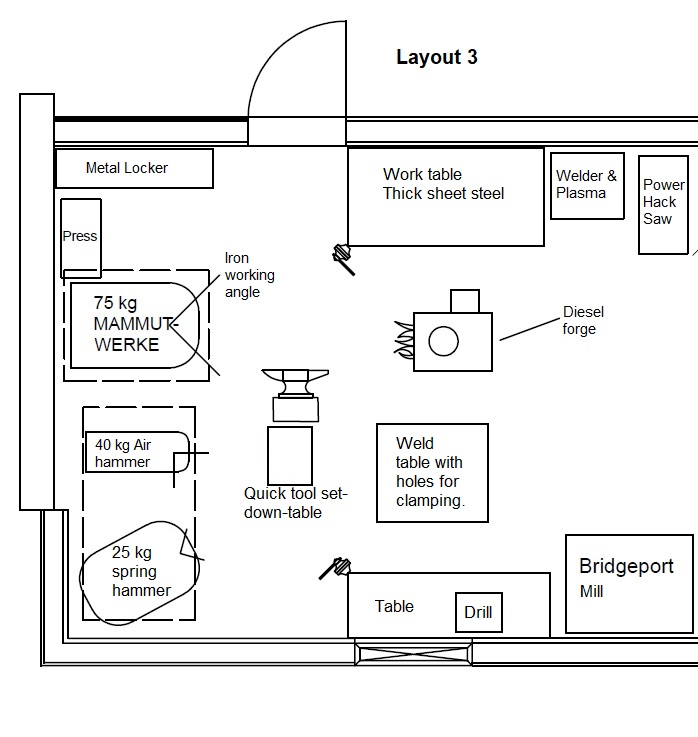
Hey, I've been building my workshop for a year now inside a barn. My dad and I put up the ceiling over the summer. Next up is the floor which we will tear out, insulate and pour anew, but before that I have to pour the power hammer foundations. I have 3 hammers. One for each hand! I'm just about to start digging the pits. Funny thing is the power hammer foundations can't be moved later, so I've got to look over the layout well before-hand. The layout as it is right now is certainly not set in stone yet, or concrete. I'm making all this up as I go. Perfect way of doing things. Looking at the layout now, the big 75 kg/165 lb Mammutwerke hammer could perhaps be put where the electrode welder is, in front of the window. Having the forge right in the middle might not be smart. Gotta look it over a little more. Anyhow, I will ask you guys and gals for advice here as I go. I'm planning on doing very similar to what Torbjörn Åhman did: pour on top of ground soil in a form, 6,5 metric tonnes. My hammer has small round holes that aren't suited for T-bolts. The holes are 35 mm, (1 3/8''). I'll most likely use threaded rods, 30 mm, (1 1/8'') to hold down the hammer. I would put pipes in the concrete and on the bottom end of those I'll weld plates with nuts welded onto them, and a piece of pipe again, welded shut. I thought about using T-bolts and sinking them down before-hand and lifting up the bolts through the holes. It kind of seems like a hassle to produce the bolts, and it would be a bit wonky to lift the anvil on top of them (see the photo, the anvil shall be bolted also). I would design the hammer foundation in the same way as Torbjörn also, instead of as in the original plans. I want the foundation to be not so deep, to limit effects of bad soil (mud and silt, sinking?) or ground water, and I want the hammer to hammer in the centre point of mass, so the block won't start leaning. Hopefully the whole foundation and hammer won't have sunk through the floor one day when I enter the forge. We live on old sea bottom! We need to hold up the dirt during all this so it doesn't fall out from under the buildings. What do you think about the bolts? And do you have any suggestions about the layout? The car wouldn't be parked there, it would only be there for maintenance. Feel free to comment on anything. Thanks! This is a big project for me!
-
I found the book! Here it is: https://ia600205.us.archive.org/24/items/machineryfoundat00crof/machineryfoundat00crof.pdf
-
Hey all, I was looking for a book here in the forums but I can't find it anymore. I remember reading a old and long thread about Michael Dillon installing his 800 pound steam hammer and in the thread there was a link to a book about machinery foundations. It was about 100 years old, and there were chapters about power hammer foundations. I'm looking into installing my 165 lb hammer sometime in the summer so that's one reason to read through it. Also, it seemed like a gold mine of information. Does anyone have that book as a pdf? In it they even showed how to install a power hammer on the third floor! Greetings, Jakob Staffans Vasa, Finland
-
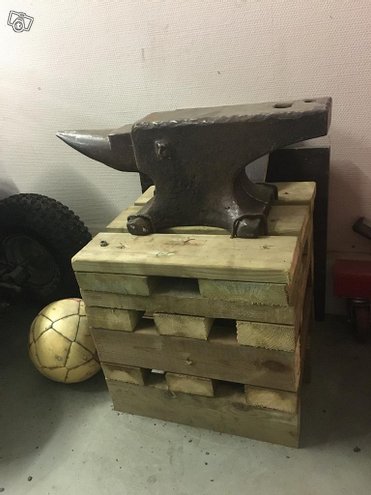
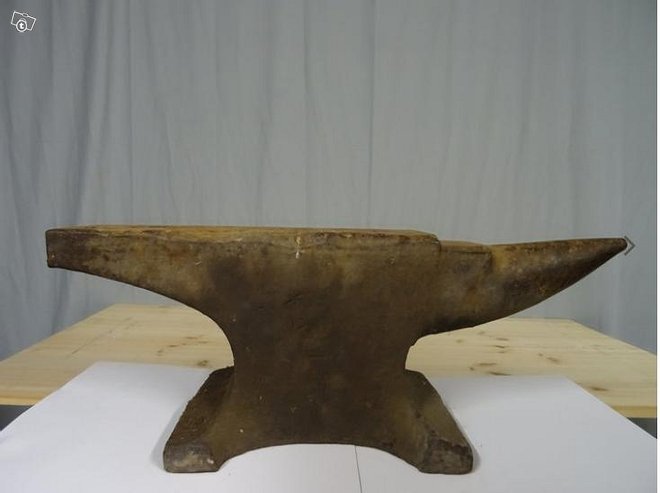
It could be made in Dalsbruk, Finland. There was an ironworks there back in the day. I know they made nails and anvils, don't know what else. I'm posting some pictures of DB anvils. Note, one is two-horned. Dalsbruk means Valley Forge.
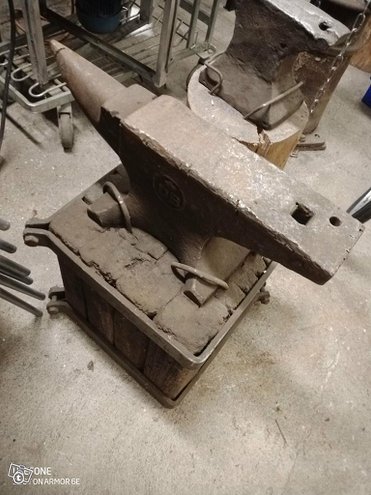
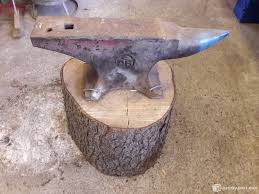
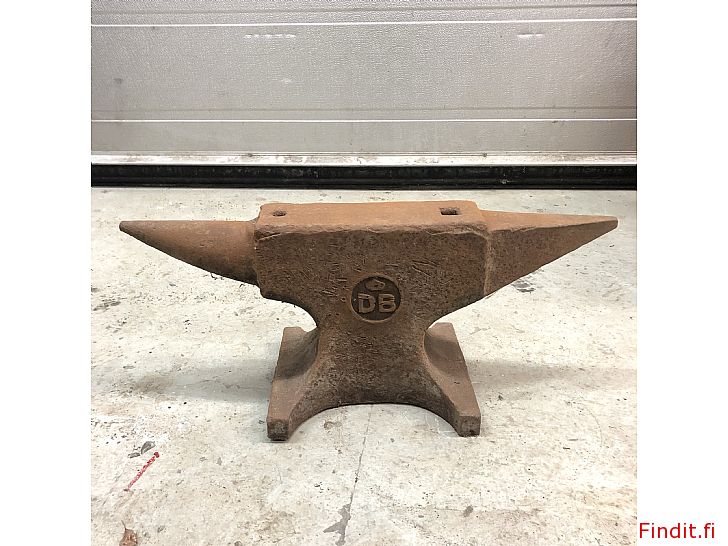
-
I read lots and lots of comments here and I didn't notice a general discussion about tripods vs 4-legged stands. 4-legged are more stable, and the argument for tripods is that it gives you more room for the feet. Is an argument also that tripods are extremely stable and stable enough? Did no-one find that they thought a tripod wobbled around too much on a concrete floor? I know it's stable if you don't hammer on it, but when you start doing odd stuff like bending and beating from the side or such, is the tripod still stable? And would you trust a 400 lb anvil on it?
-
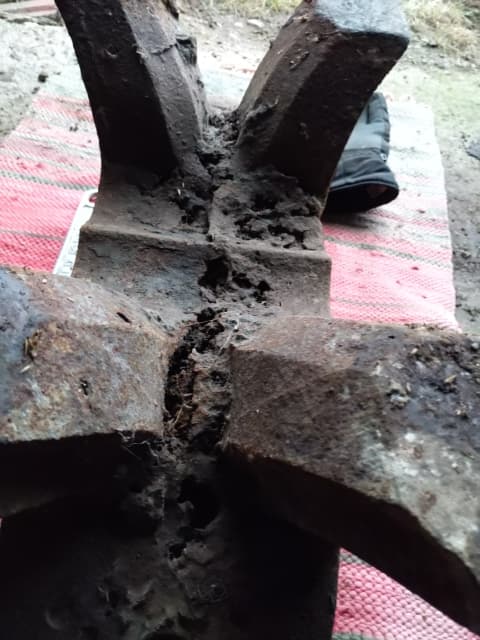
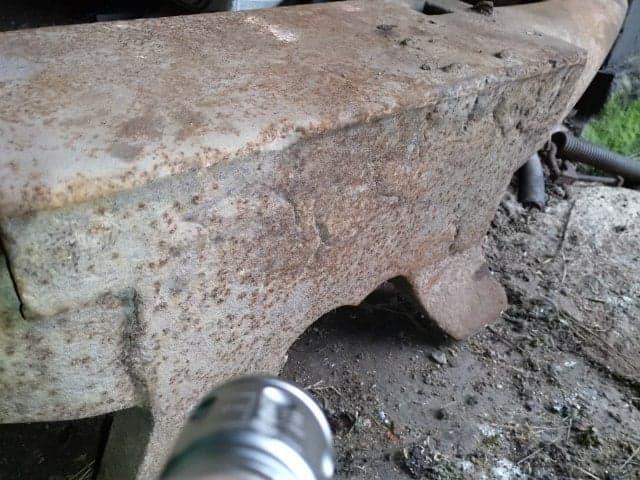
The buyer replied and said they were holes. The casting must have been really poor with holes under the anvil. This along with the side marks make me less inclined to buy this anvil... But .... what the, it's a Claudinon Firminy 310 lb! It's a cool anvil. I think I might have to take this under my wing. The buyer replied and said they were holes. The casting must have been really poor with holes under the anvil. This along with the side marks make me less inclined to buy this anvil... But .... what the, it's a Claudinon Firminy 310 lb! It's a cool anvil. I think I might have to take this under my wing. Thanks, that very reasonable. They can't be seen and the anvil has held up so far. Very reasonable. Also, a question, what force expressions or expletives can I use on this site that doesn't give me a warning? When I mentioned the place down under I got one warning.
-
Did anyone notice the underside? I was sure it was dirt, but now an engineer friend said it looked like holes, and he may be right. I sent the seller a question again, let's see what he says... I imagine the anvil would hold up fine for hand hammering. Well I do use a 4.5 lb hammer... and I hit with the power of rye bread and occasional porrage!
-
You grinded the foot also. The marks on the foot likely came from a blacksmith that made edge tools. After hardening and tempering, he would cut a mark in the foot to see if the tool held up. If it did, he'd do the final grinding. So they're marks of craftmanship.
-
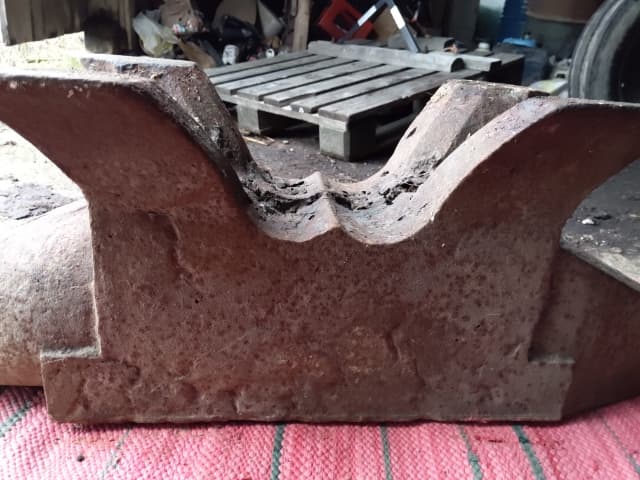
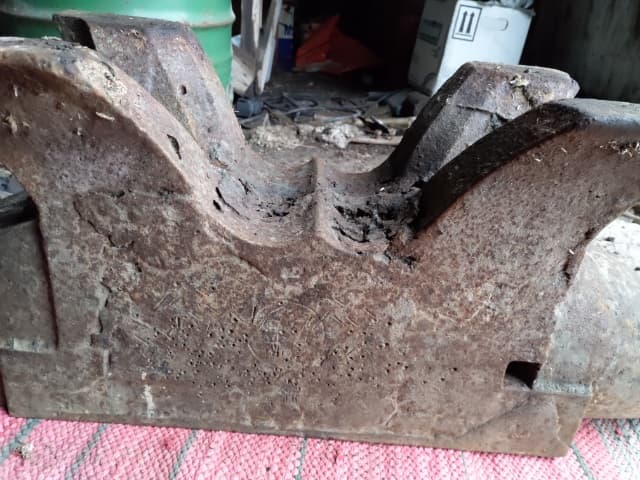
Thanks for the tips, Thomas. Yeah the US is almost like a continent. Best to stick in one area. California, Grand Canyon, something. The seller of the anvil provided me with more pictures and a video of the anvil tapping test. https://youtu.be/09ZA6xElHXM The anvil seems in good shape. Wish he had understood to clean the dirt off! I also managed to find a buyer already for an anvil I have but don't like much, so funding is secured.

-
I've been to some 8 countries in Europe, and Australia. Haven't been to the US. I considered going to Abana this year but I had no money, and good thing as it was cancelled. Seems my workshop build and possible house build will seep up my money. I've seen California on TV like every week, at least every month all my life. Looks good. But then I read about how 200 000 dollars isn't enough to support a family in California and it makes me wonder. I don't dislike that much about the Scandinavian countries. Seems like we struck a great balance in politics, well, all of western Europe also. I do wanna go to the US and check out the Rocky mountains, California, cowboy Texas, rural south-East. The Grand Canyon. New York. We have no metropolises in Scandinavia. And we have no mountains in Finland. I did see some on Lofoten, Norway. They're a pain move around on by foot!
-
Yeah I can imagine some are dishonest. If I drive over there I will for sure test it myself. Ball bearing and all. But Finns in general are an honest people, almost at fault. So I'll take his word for it at first and then see for myself. I'll be bringing my girlfriend along for the road trip like usual, and stop at some fancy restaurant! Why did you move to Alaska?
-
Thanks for the advice, Frosty! I'll do that. Okay, that's good to know because I want to buy it. But of course if there was some great deterrant then I'd be rational. Thanks for the tip. I don't know why I don't remember these simple good tips myself. That's such an easy thing I can ask the seller to do tomorrow. Many thanks. If it doesn't sound significantly different I'm gonna buy it. If it does sound different then I guess a crack goes right through the leg and I don't think I'd wanna grind that open and weld it up.
-
Thanks for your thoughts. I heard that old anvils break sometimes. The leg surely looks like it could be cracked. I'm a little worried that it would break.
-
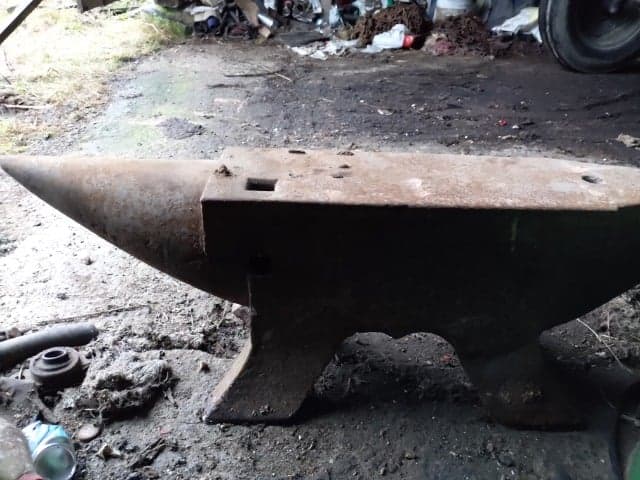
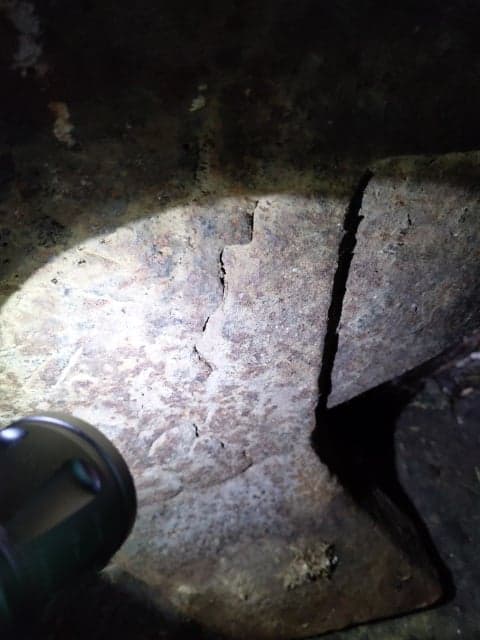
Hello experts, I came across what I think is a 310 lb Claudinon Firminy anvil. I'm seriously considering driving 4h to pick it up. I already haggled the price down from 600 € to 400 €. I can't find any text or numbers on the pictures, neither could the seller. But what are those lines and imperfections on the side of the anvil? It looks like it's cracked but I seriously doubt that. Could it be that this is a full body cast steel anvil and the casting work was done poorly? It seems like there's some obtrusions on the face too but those can be grinded. I plan to weld the sides also. What say you, experts? Do I shoot myself in the foot if I buy this anvil?



-
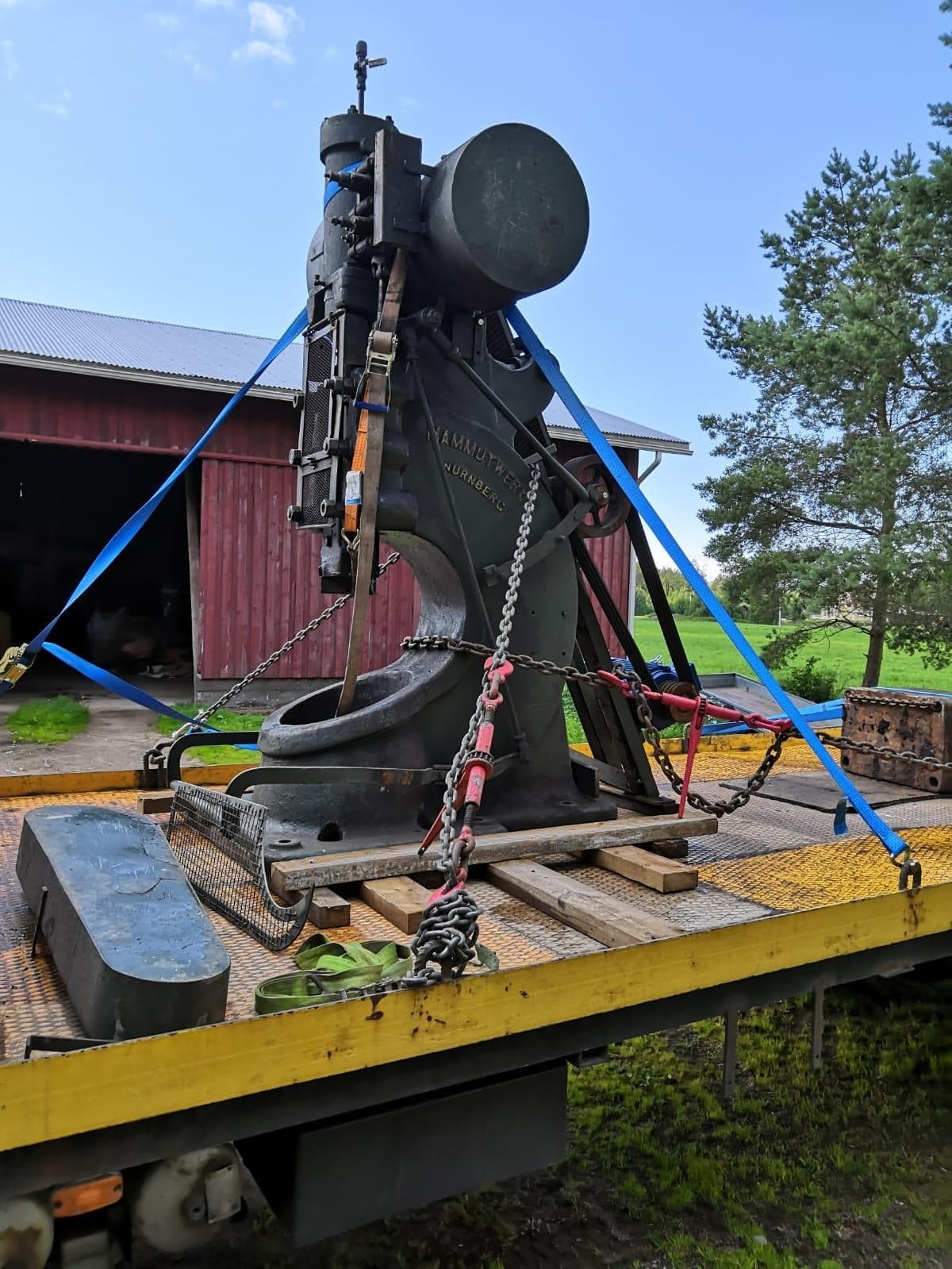
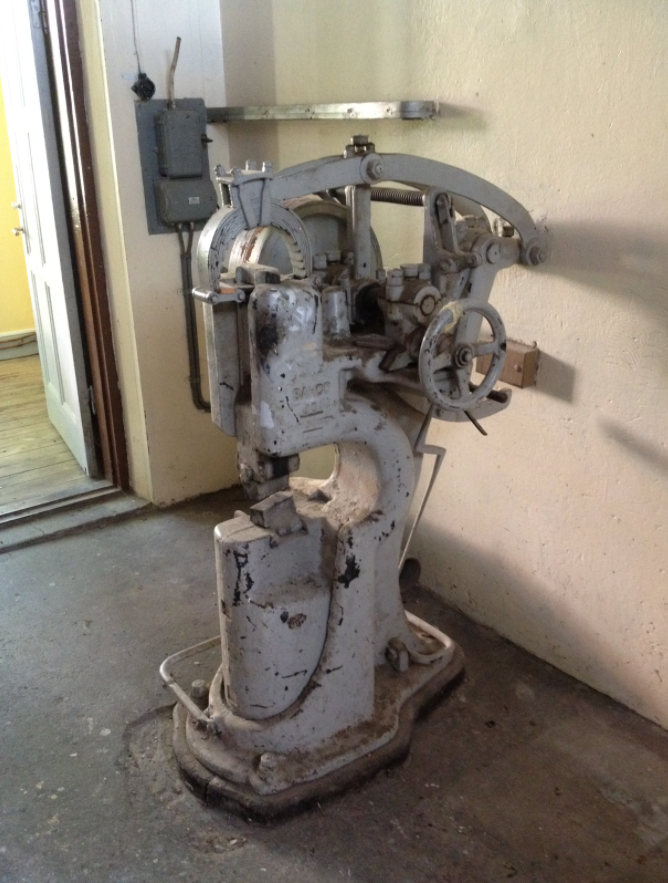
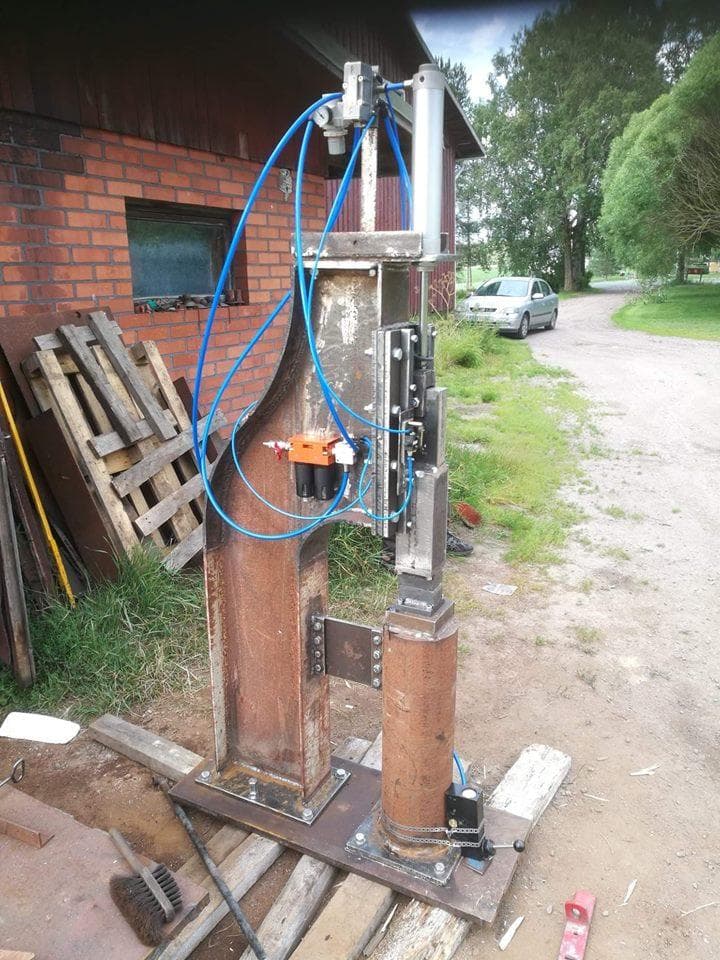
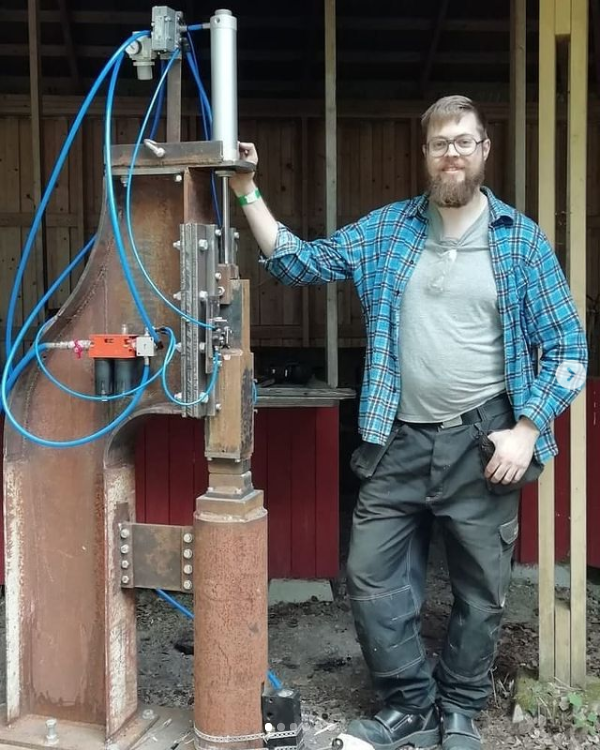
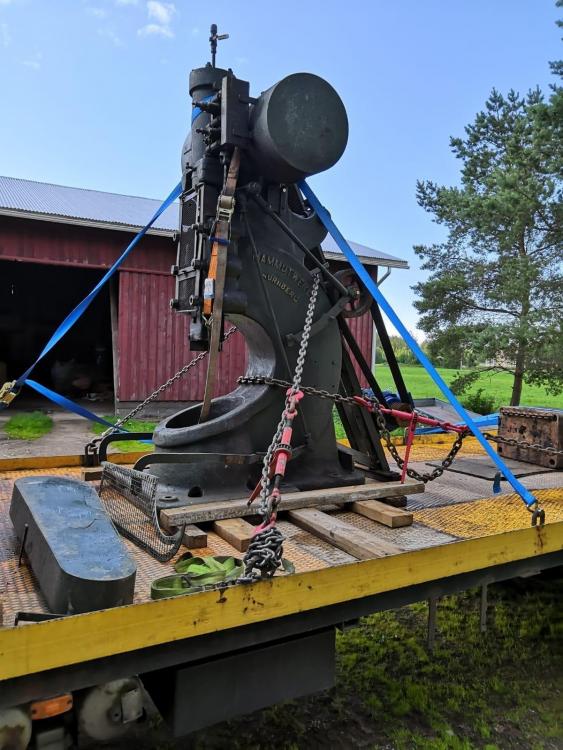
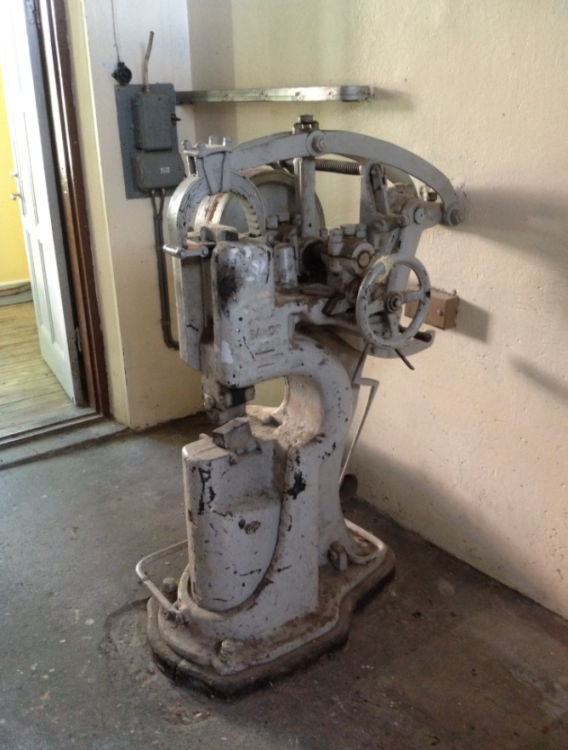
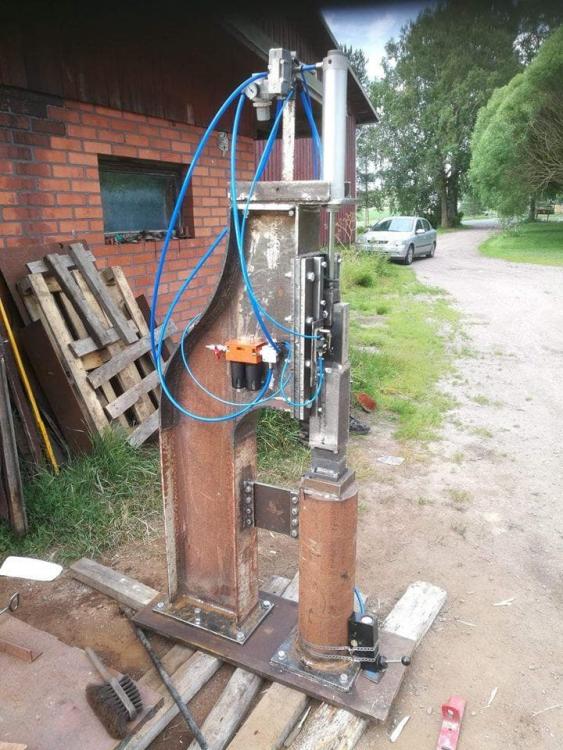
So what happened after? I did blacksmithing as a hobby. Made camp axes, bottle openers and trinkets. I sold at many Christmas markets and fairs and I realized I was selling my stuff way too cheap and people still didn't buy it. That meant my way of doing it wasn't working, but it could for sure work in many other ways - like bigger proejcts or online selling. That sort of stuff. But I did realize however that it's really tough work and the pay is minimal. And it's a tough job - I'm literally only earning what I can produce with my hands. I was working full time during this time. First as an electrical engineer. I got laid off and then got a factory job, really horrible job, I have to say. But it supported my hobby. I decided to build an air hammer, 40 kg, as shown in the picture. Cost me 1800 €. During this time I took part in a blacksmithing weekend education. 10 weekends spread out over a year with homework inbetween. I got the title Journeyman in the end, wasn't easy! Everyone told me a homemade hammer wouldn't hold up, and I loved the old Swedish helve type spring hammers, so when one of those rarities showed up for 1500 € I bought it. 2019 came and I moved in with my girlfriend in the city of Vaasa. I didn't know what to do at this point. I was considering axe making, but I knew it would be tough physical labor. Then I had an epiphany - I could build on my electrical engineering exam and study for 2 years to become a mechanical engineer, fall of 2019 to spring of 2021!!! And so I did! I got accepted into the school and on top of that during the summer of 2019 I began building a blacksmith/fabrication workshop out of a pole barn on my parents farm. Finally to top it off I bought an old 75 kg factory made air hammer from cirka 1920 for 250 € (!), from the blacksmithing school. It had some problems and they couldn't fix it. I will. It's not even broken, it just doesn't work they said. And also I bought a Bridgeport mill, 2000 €. After my workshop is done I will buy an old small lathe, and build myself a CNC plasma table as cheaply as I'm able to. I'll work as a mechanical engineer and I have a really good hobby on the side. I have a passion for blacksmithing and machinery. I'm not sure yet where I'll go with it but I'm just going, making up my plans while I do. I'm interested in possibly doing something like Ballard Forge. Riveted structures, or just good looking riveted store fronts. Even building and selling hydraulic presses. Some axes on the side if I can swing it. Not sure where I'm going, but I'm going in the right direction.
-
I'll send it to you in a private message.
-
I have just spoken to him on Facebook and read what he posts in the Swedish Facebook blacksmithing group. I didn't go to Sweden to his shop. He only makes industrial stuff. You probably know he has some videos on youtube and he also has instagram.
-
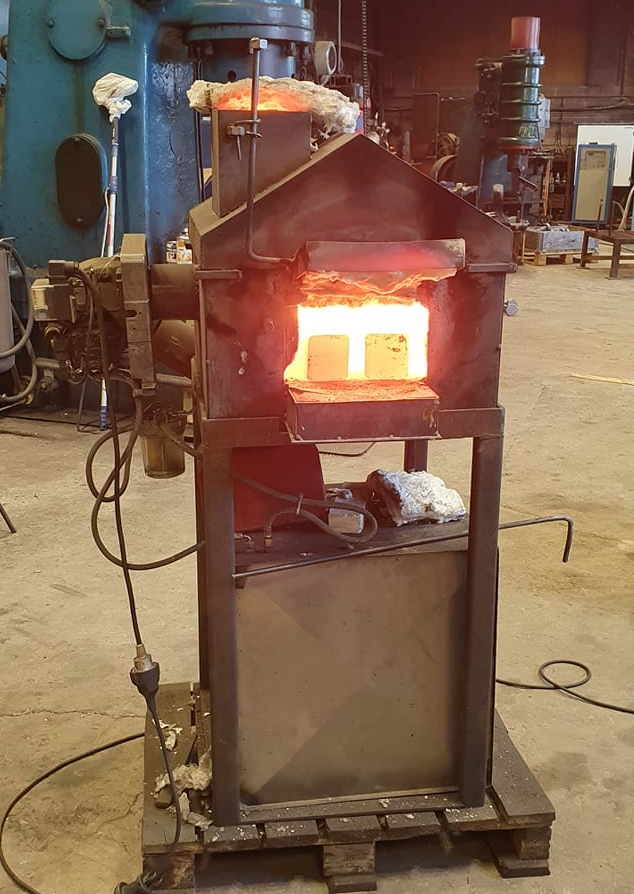
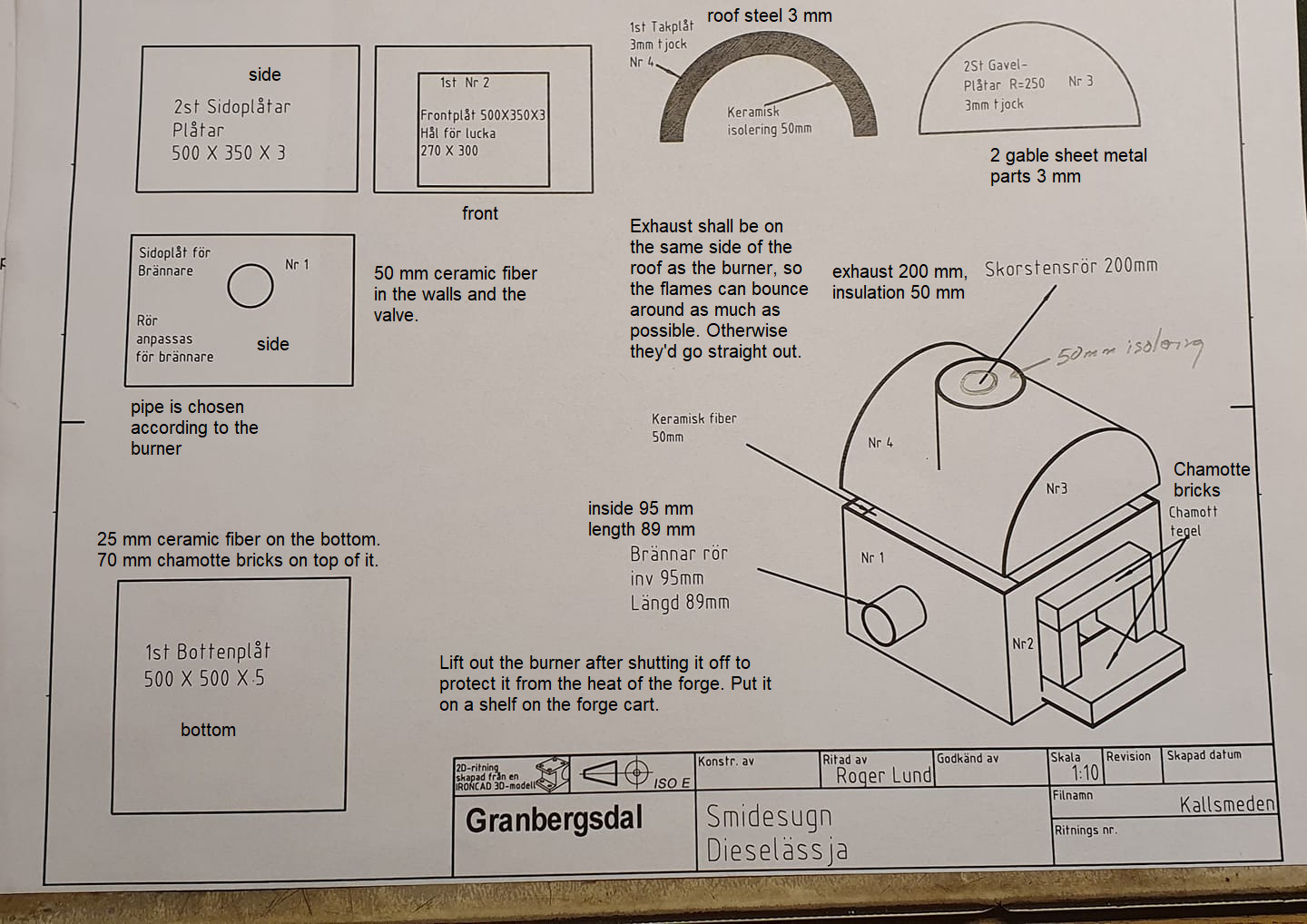
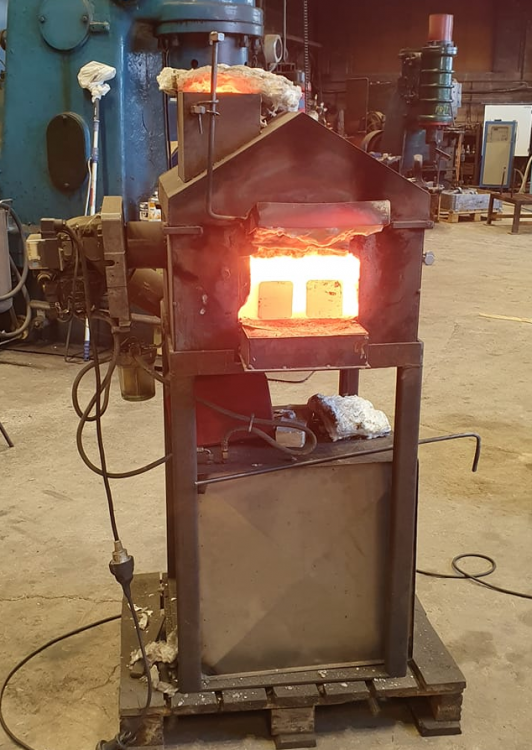
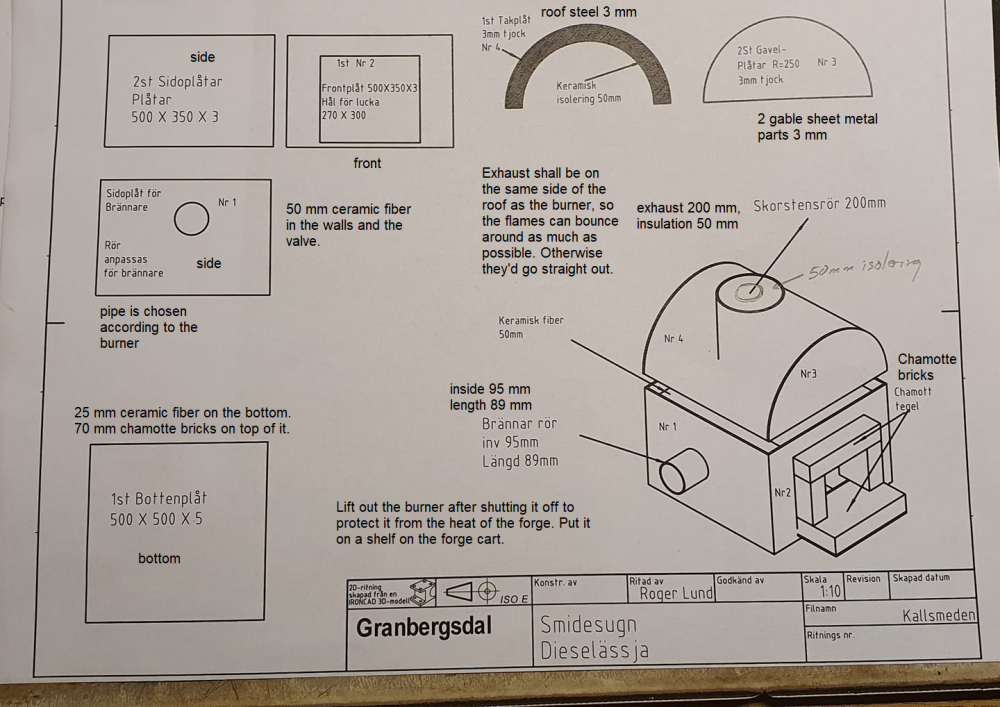
I don't have one yet, I have a DevilForge and a coal forge. But I'm planning on using diesel because it's supposed to be safer than gas. I'm going to build it off of what Roger Lund in Sweden suggests. A normal oil burner for heating utility water in houses with a bit larger nozzle, his burner is a Bentone BEO 10, not in production anymore. Capable of heating for example 2 parts of 15 kg steel in 50 minutes. Using 1.5 - 2 liters per hour. Or another example 2x 20 kg 130 mm round. room temp to 1250 °C 58 minutes, 1.8 L diesel. I put all the info in the picture. All credit to the design goes to Roger Lund. He gave out these specifications freely to everyone. He also said another time to use 5 mm sheet steel so take what you have, I guess. The diesel tank is under the forge. He has such a large space that he doesn't use a chimney for this small forge but in small spaces you'd want one. Diesel burns clean but not perfect.
-
Thanks, I'll do that. The shop looks smaller in person than on the layout. Thanks for the tip. That's an interesting idea as it's far from what I was thinking. I'm thinking though that the Mammut might be in the way of cars or tractors being repaired. I have a Journeyman exam from a blacksmithing school. Not like Hereford in England but a lighter version We rotated between working at the school and then going home and doing home work, 1 year exam. I got quite a lot of experience working a power hammer over there. But in truth, no, I don't have that much experience. I don't see how that's a problem. I'm a beginner. Either I get busy forging or I just give up already? No way. I and my dad built the homemade one ourselves and I had a good time bonding with him. It takes up 1 foot 4 inches in width so I could shove that one anywhere. I've ran it perfectly well for 45 seconds straight on the compressor we have at home. I bought a 264 gallon air tank also, inspected and in good condition, for 110 € so air is no problem. The Mammut I bought for scrap value, 250 €. I really admire the design, engineering and shapes on it. Same thing with the spring helve hammer. I'm a mechanical engineer and these machines are awesome. The homemade one I could easily convert to a single hit hammer. The helve hammer is perfect for small market type work, candle holders, bottle openers. The Mammut for axes and big stuff. In my opinion this is a perfect combination. You're totally right, I agree with you that I could most likely get by with only the Mammut but I'm keeping all of them. Thanks for the advice.
-
I know it depends on me and what I will be doing but that's not much use as advice. I came here specifically asking for other people's opinions. If I were doing major ornamental iron work I would already have a shop and I wouldn't be here asking this. I'm a beginner and a hobbyist like most people. I guess I'll be doing small stuff to sell at markets for fun, and then some axes, hammers, small sculptures, home interior. Later some day I'll dabble with big rivets, like Ballard Forge.
-
Thanks for the tips. I think I have the work flow under control. Storage is just behind the door, and the saw is beside it. My shop is so small still so the most I would have to walk with a hot iron to a hammer is 6 feet and I think that's okay. I might buy an induction forge in the future which could sit close to the smaller hammers. I don't really see your point about angling the hammers, because my Mammutwerke and the spring hammer has their dies on a 45 degree angle. That sends the worked part of the steel past the machine to the back wall. I could turn the machine another 20 degrees and make the steel go even more straight to the back but looking at the drawing it looks okay to me. Also turning the machines makes the space more cramped I think. Yeah I have high hopes for how this is gonna turn out. If nothing else then it's one xxxx of a mancave.
-
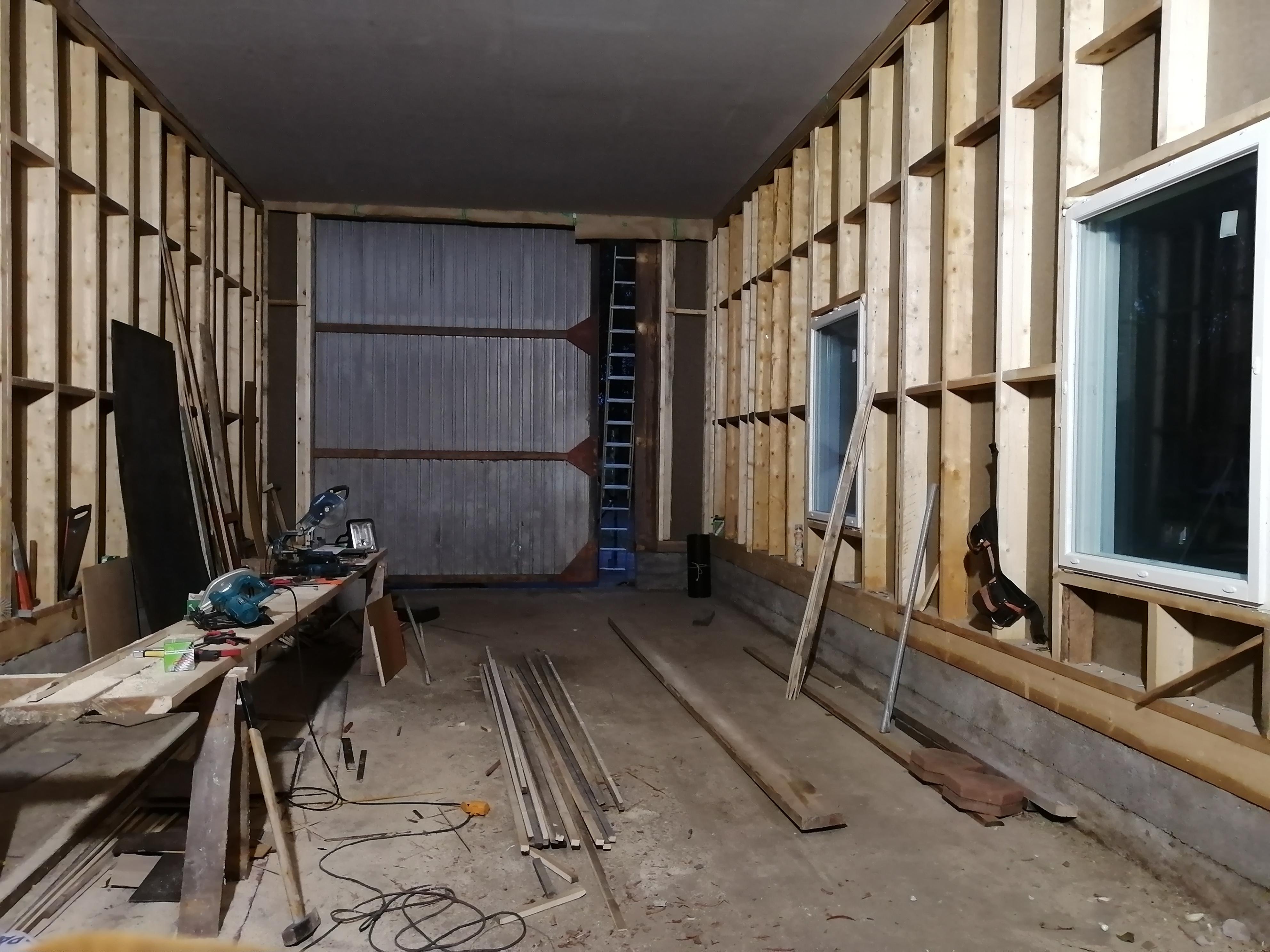
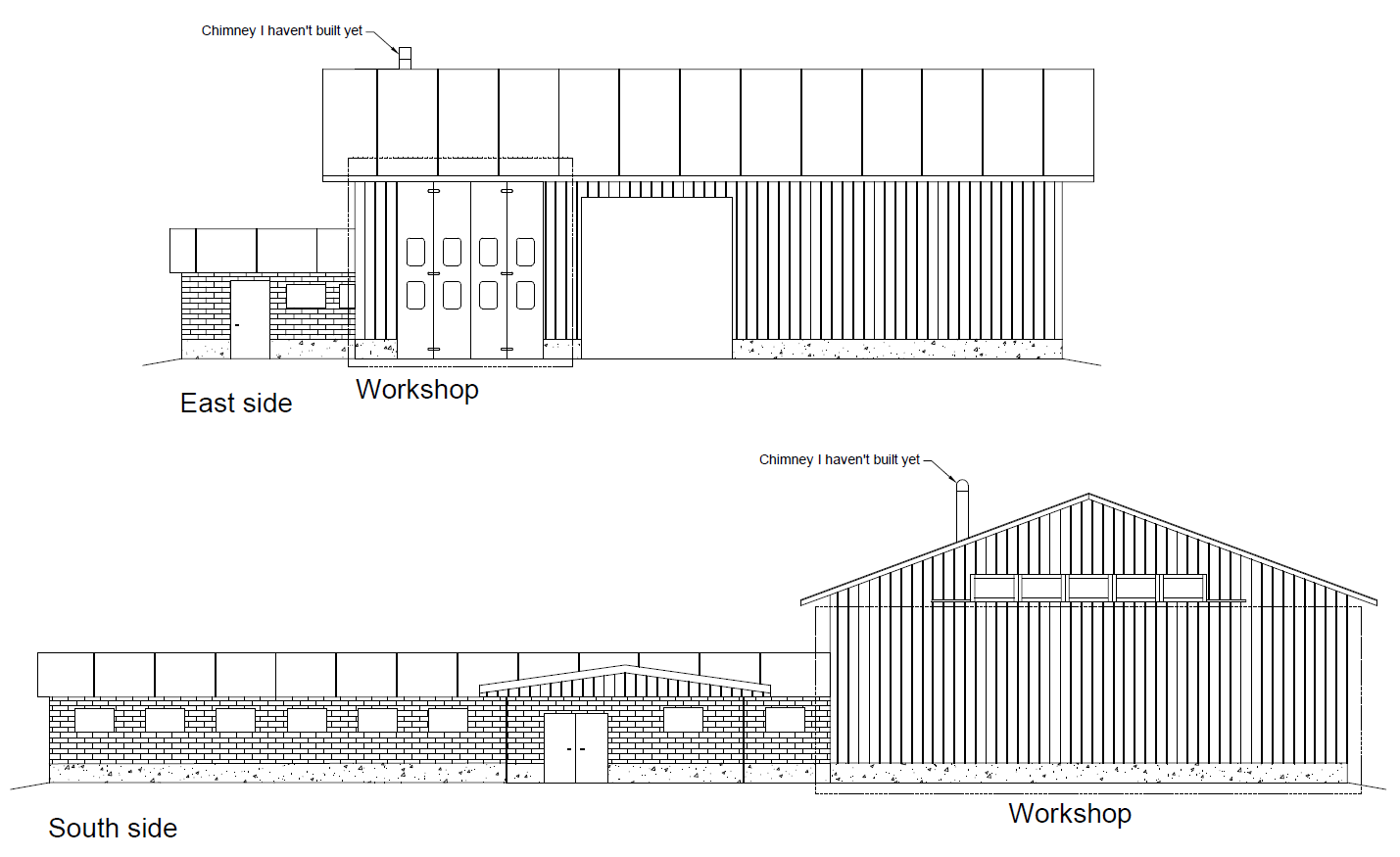
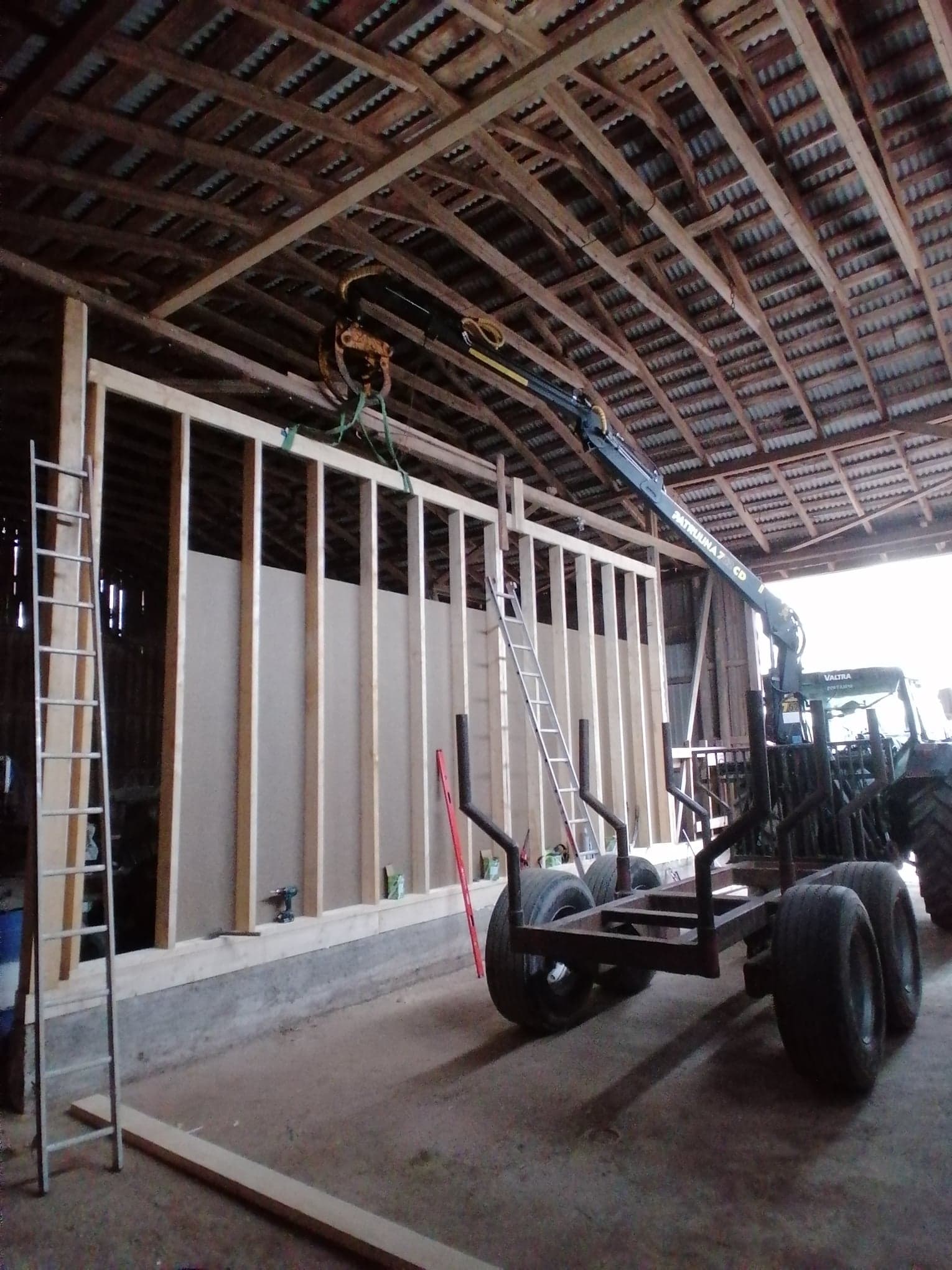
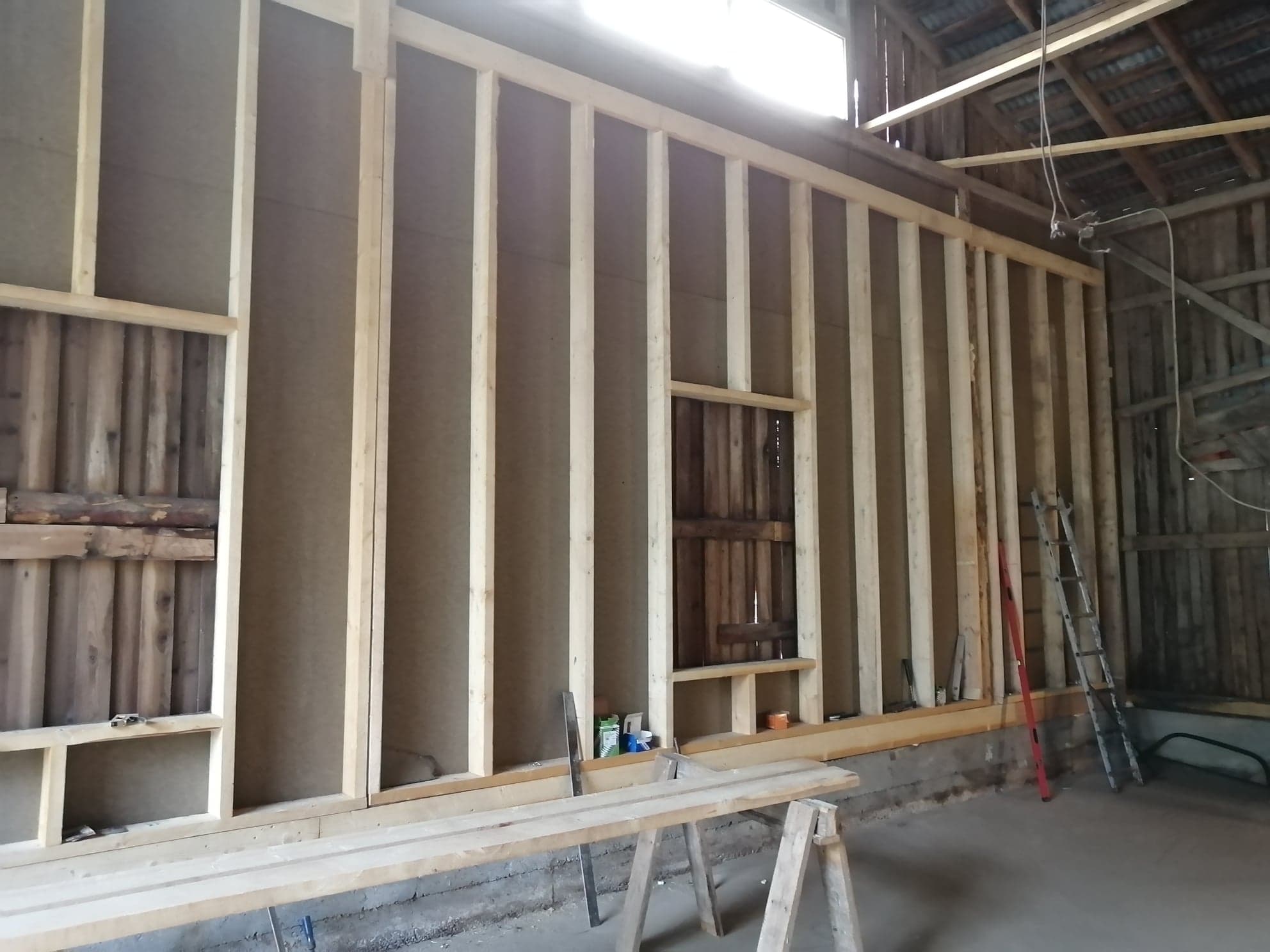
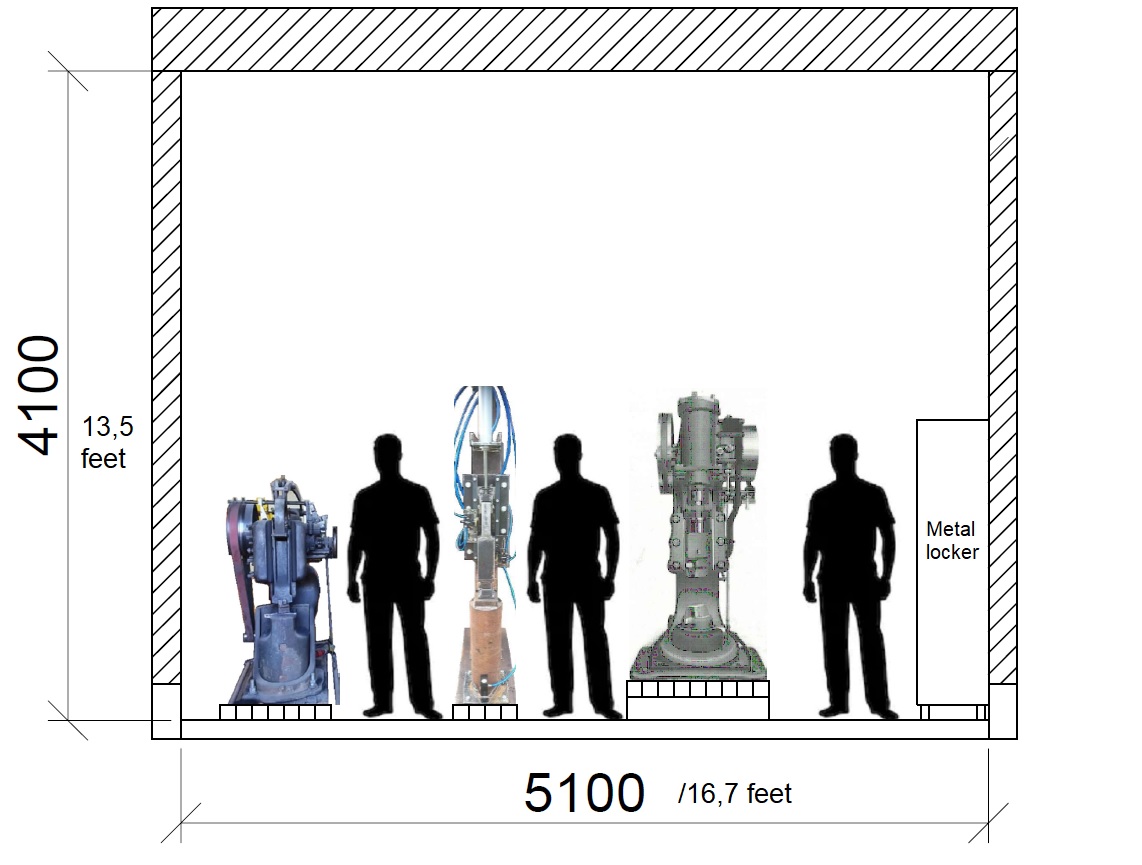
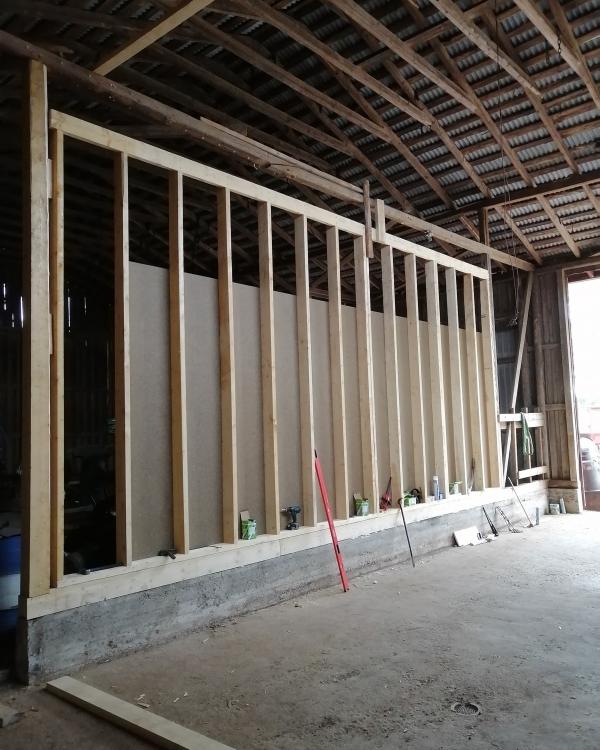
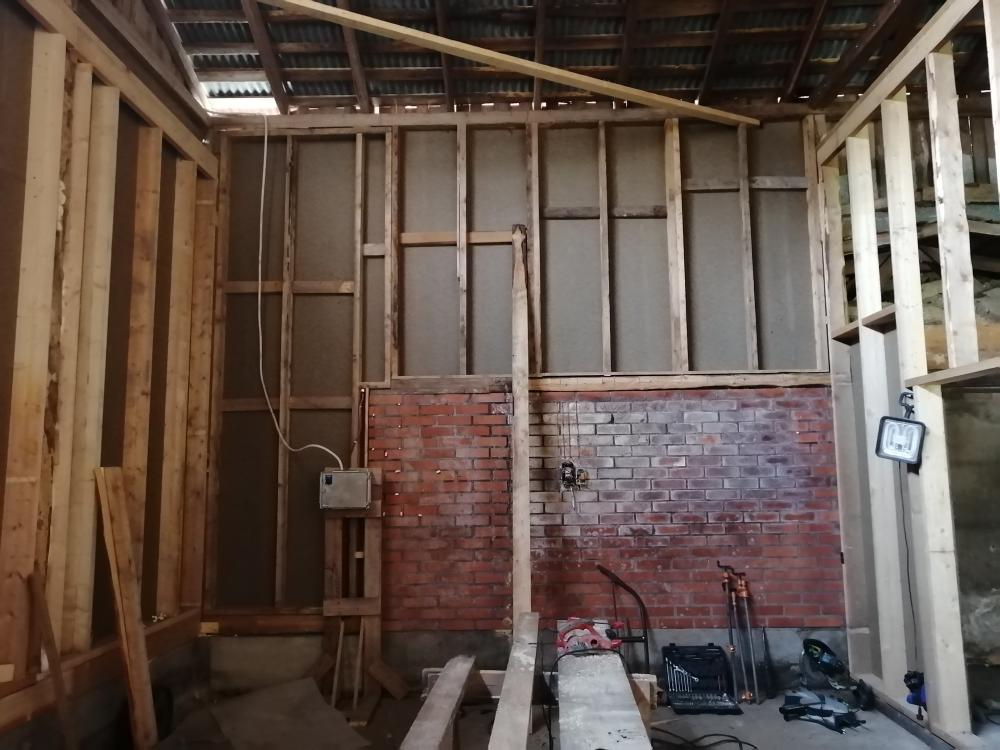
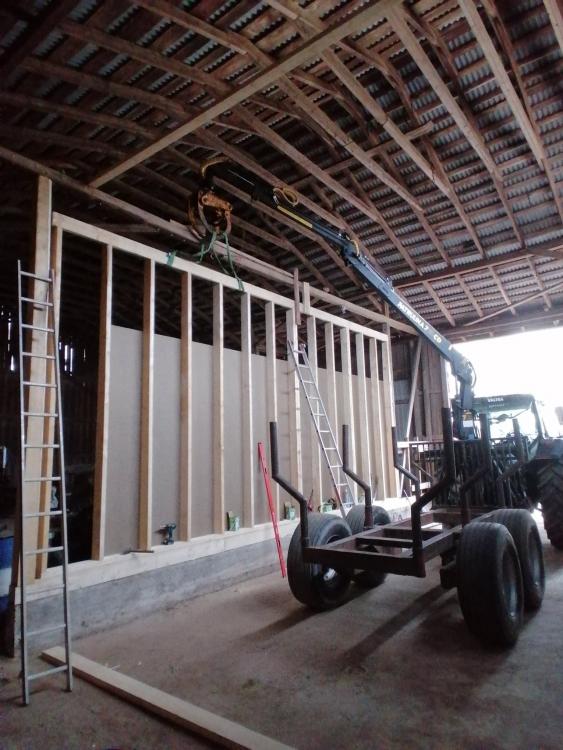
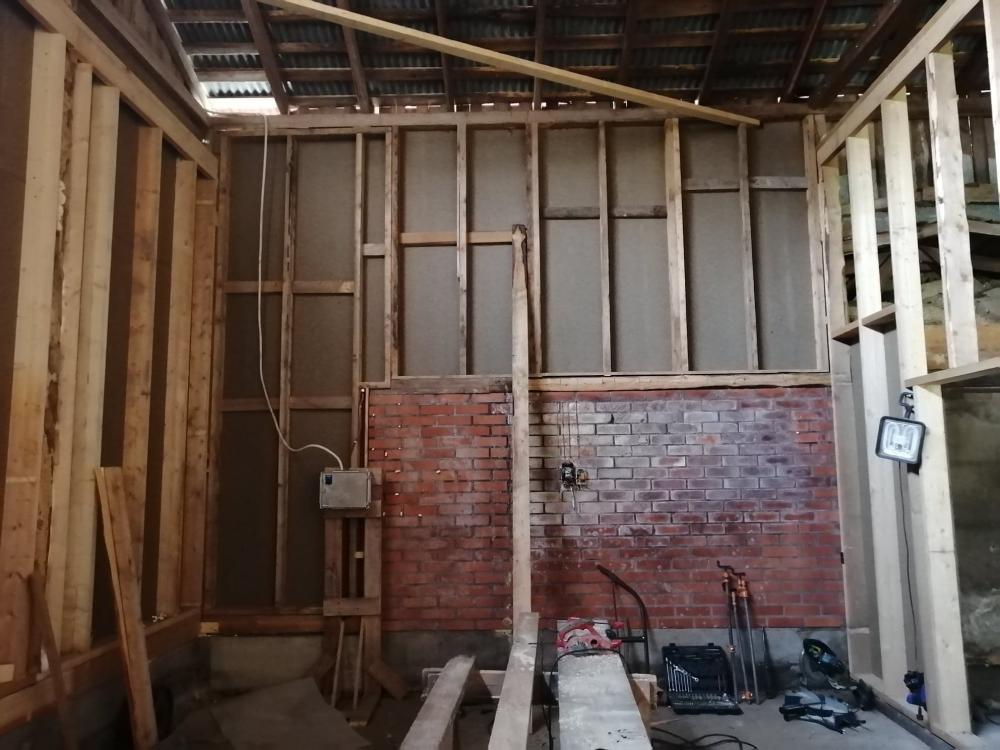
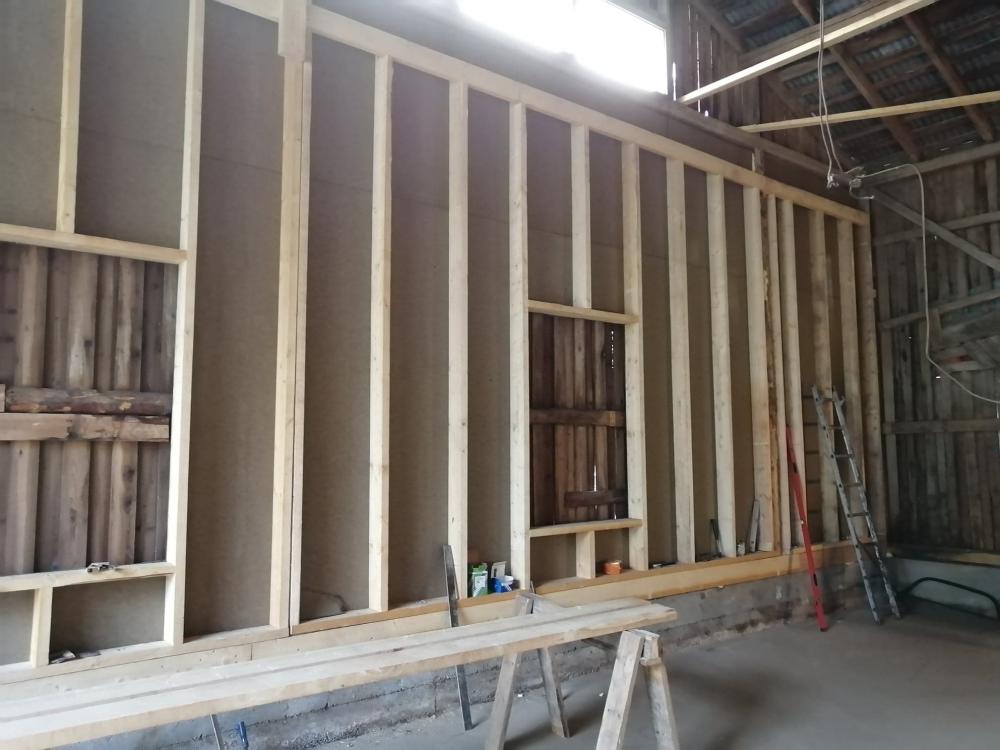
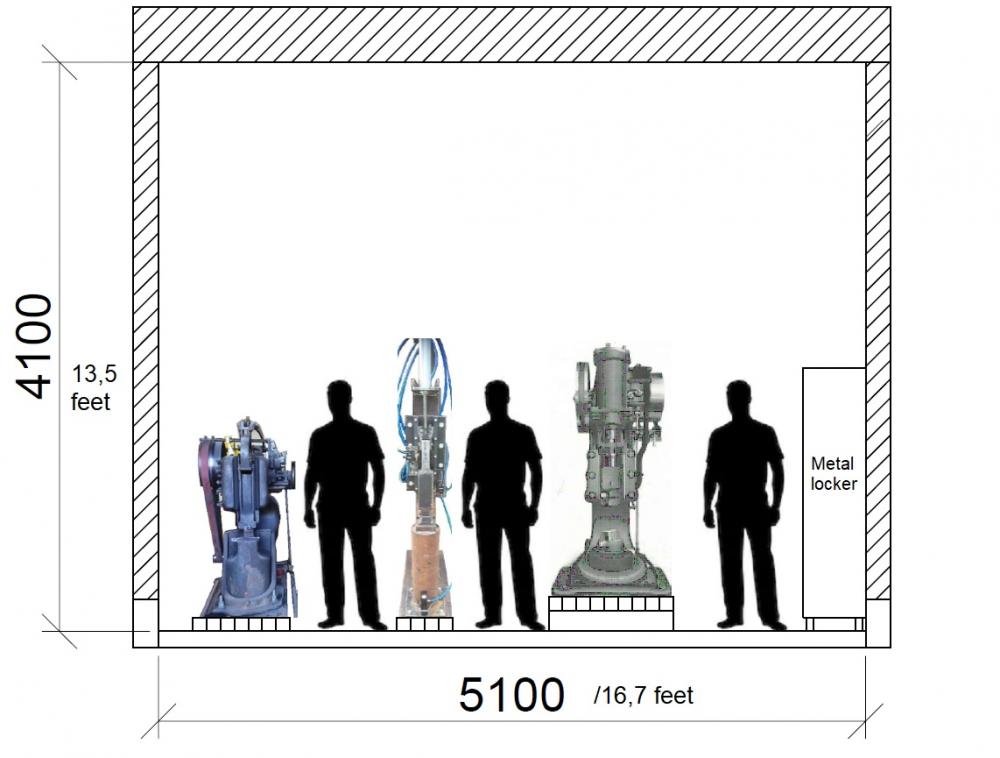
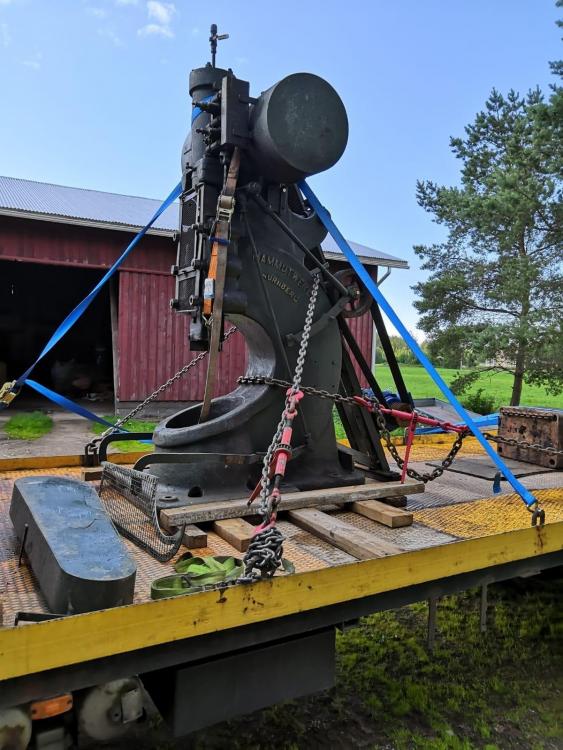
Hey all, I'm asking you guys and gals for input on where to install my three power hammers in my upcoming workshop. I'm converting part of a pole barn into a fire proof workshop in accordance with the county's demands. I'm insulating it against the cold and rain. There will be a large folding door so we can drive a car or tractor inside also for repair. The back part of the shop will be a blacksmiths shop/metal workshop. I have three power hammers, bought cheap and used. Now I'm getting to the point where we're gonna pour new concrete on top of the old uneven concrete floor. I concluded it'd be best if I cut holes in the old concrete floor first, for the power hammer foundations, and then when pouring the new one I make forms so I don't cover the holes again. If it was just one layer of concrete I could simply cut it afterwards but when pouring 4 inches thich, having a 1 and a quarter thick polystyrene insulator and then another 4 inches of old concrete under that, it would be a real problem cutting about 10 inches total. That's why I figured I need to have the layout set beforehand so I know where to cut the holes. I'm sharing some pictures here of the workshop project and three layouts I made. The last one with the three men in is to check the working space in Layout 3. There you have it. I would be really thankful for input on the hammer locations especially, and also on the shop layout. Bahco 55 lb Homemade airhammer 88 lb Mammutwerke 165 lb
-
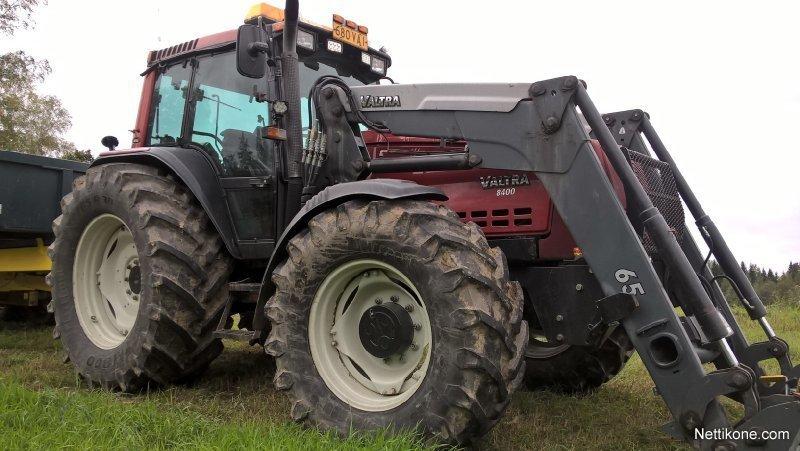
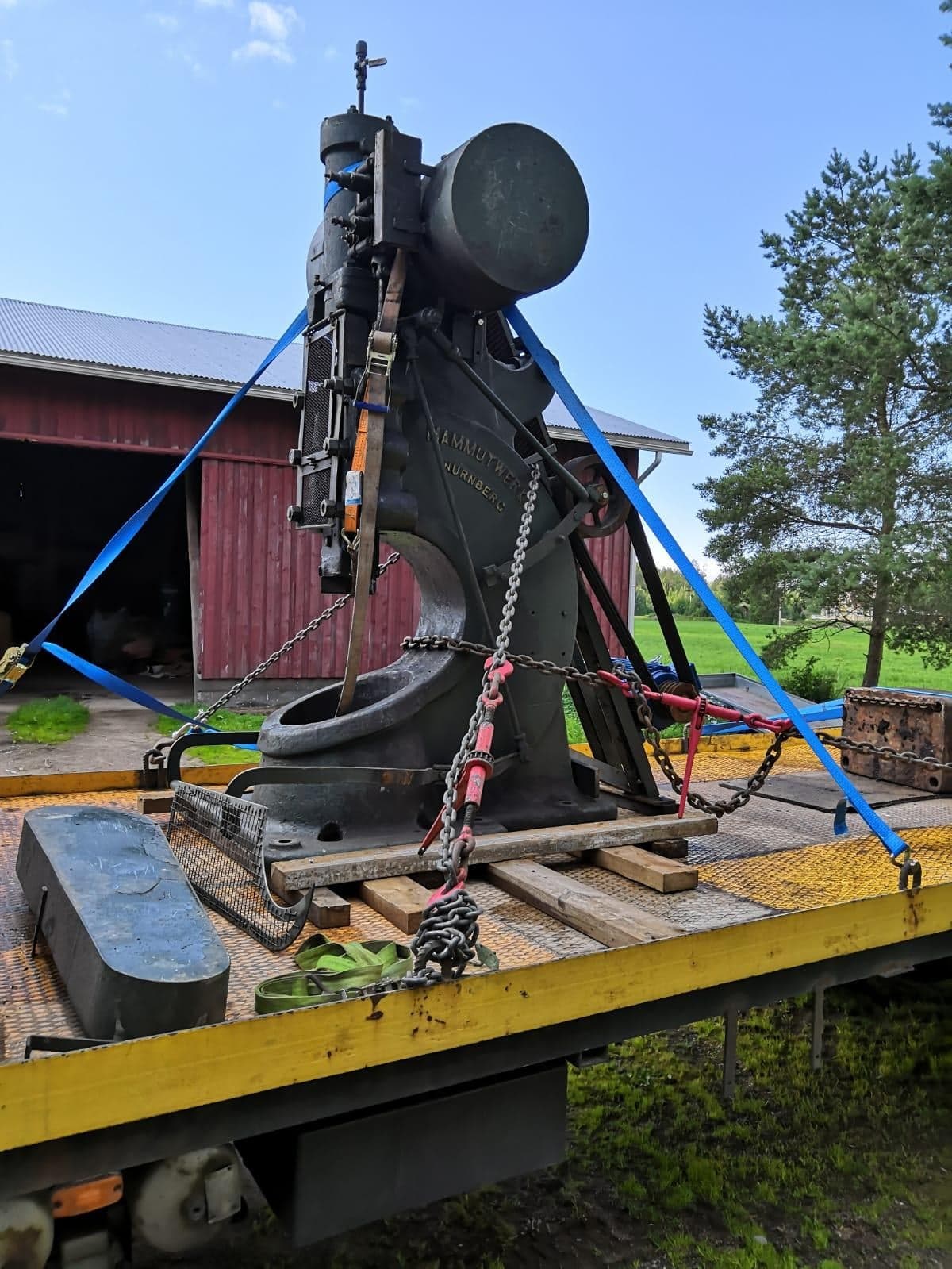
Our tractor wasn't able to lift it off the truck. When the lifting arm is high up, as in above the hammer, the hydraulic cylinder is pushing along the lifting arm and thus is very weak. I'mm have to ask a neighbour with the JCB tractor or a professional. Also as the hammer was a smaller model afterall, the body weighs only 1700 kg. We managed to lift the anvil down, that one was 1000 kg.