Erik Mendel
Members
-
Joined
-
Last visited
-
I pulled both burners out until they are even with the end of the kast-o-lite30 and stuffed the stuffins out of it with ceramic blanket . They ran admirably for 3 hours at 6 psi. the same one that always backfires began to at this point and I ran them higher to avoid this and figure out if their was a balance point when it would end and I could run both without the issue. Having some experience with how much one of the burners heats in temp and area I abandoned this experiment when the close burner began to backfire at 8 psi. I suspect the whole forge to be in the 2100 area at this point (my forge design had very little consideration to the placement of the thermocouple and general shape/ growing experience with color leads me to believe that it is quite a bit warmer than the 1900 advertised temps). I have found scale to release much easier above 2100 while 2050 doesn't act the same and these characteristics where present. At this point we were making a hammer and were more focused on this aspect than the testing as any relevant solutions would require total cool down. We ran the forge for 3 more hours running 10 psi on one side and I believe we were getting above 2100 from color, work per hit and based on the pour placement of the thermocouple we judged it to be reading 200 deg low. I am extremely pleased with these results at this point for a couple of reasons. 10 Psi for one burner doesn't freeze the propane tanks nearly as quickly as 2x3/4 .23, the heat is much more even than before desirable for the hammer work and the refresh rate is much quicker obviously due to the higher thermal mass but I feel as though it is cheaper to run and that is where we operate mostly in stock size and temp. I ordered the fireboard don was talking about and will try some new burners with 100 1/8 holes only because I do want the ability to turn it down without backfiring after welding temps. I saw the 3/16 200 plus as well as the 90 -1/8 which has been reported to run well but haven't seen any further clarification of office size/psi or temperature. although I find my self extremely interested in something between the 123 that don has had good results on and pondered a few less holes. I do believe in my original interest that a modified side arm burner might be able to get the most efficiency and adjustment based on the amml burners and the early ron reil burner results. ultimately I find undeniable truth in frostys results that each inducer is not created equally and I figure that it is likely that each casting has a similar potential for differential.
-
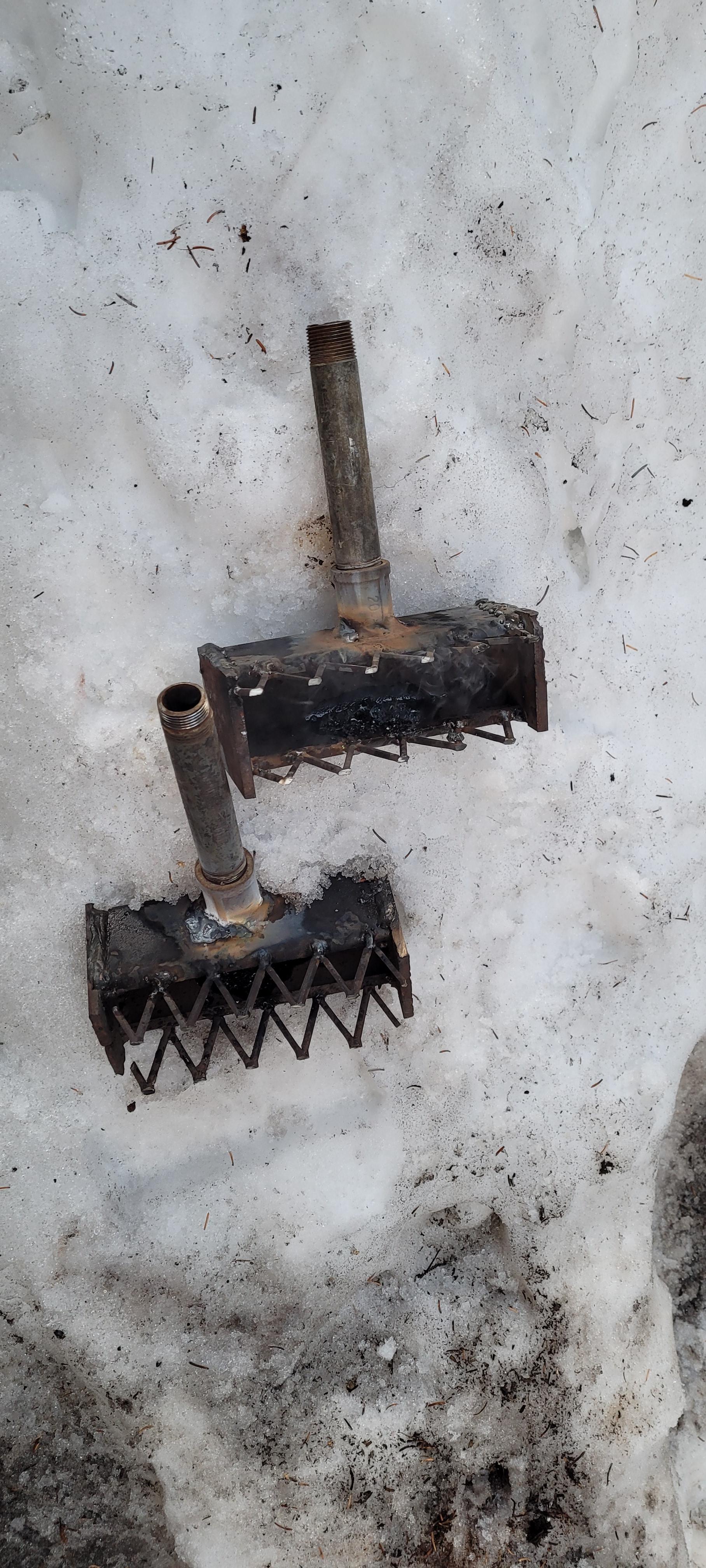
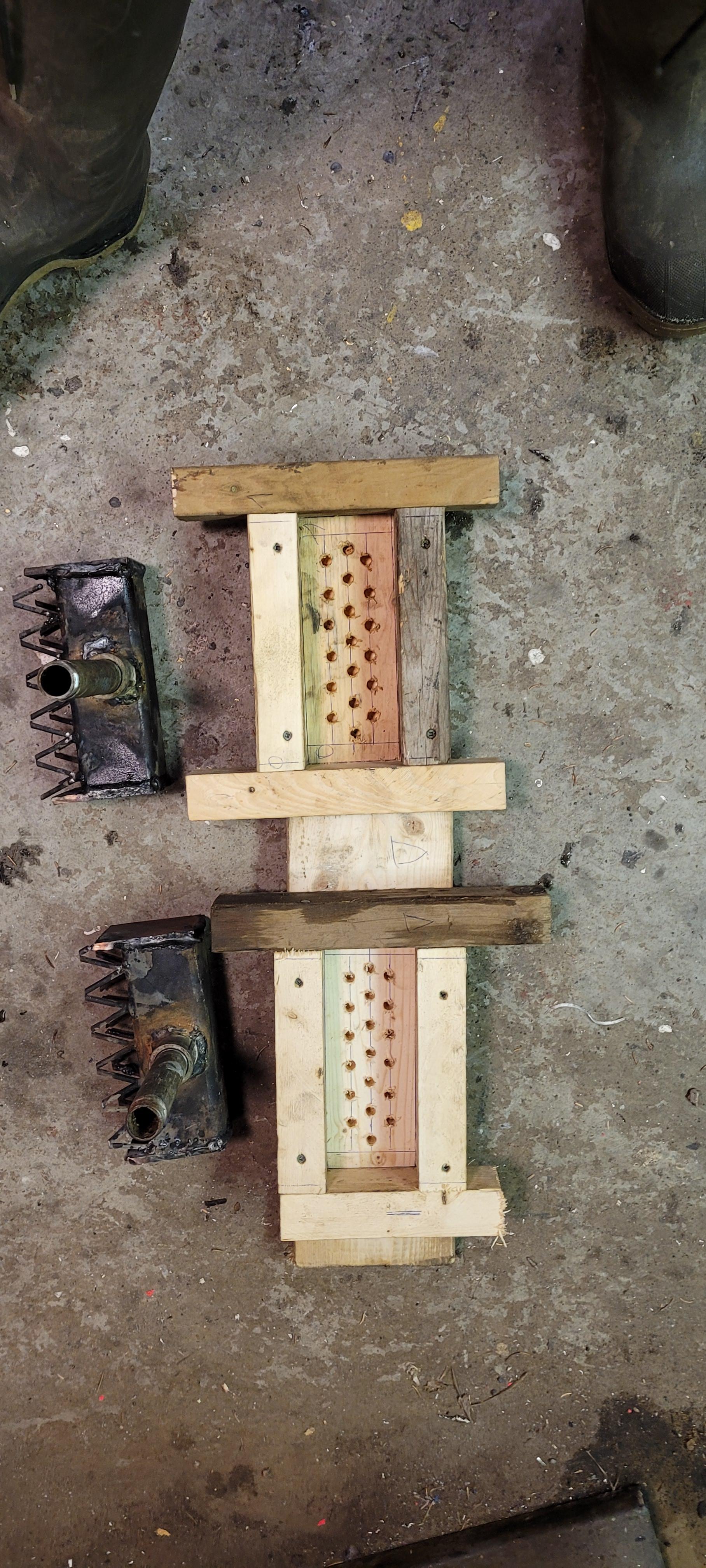
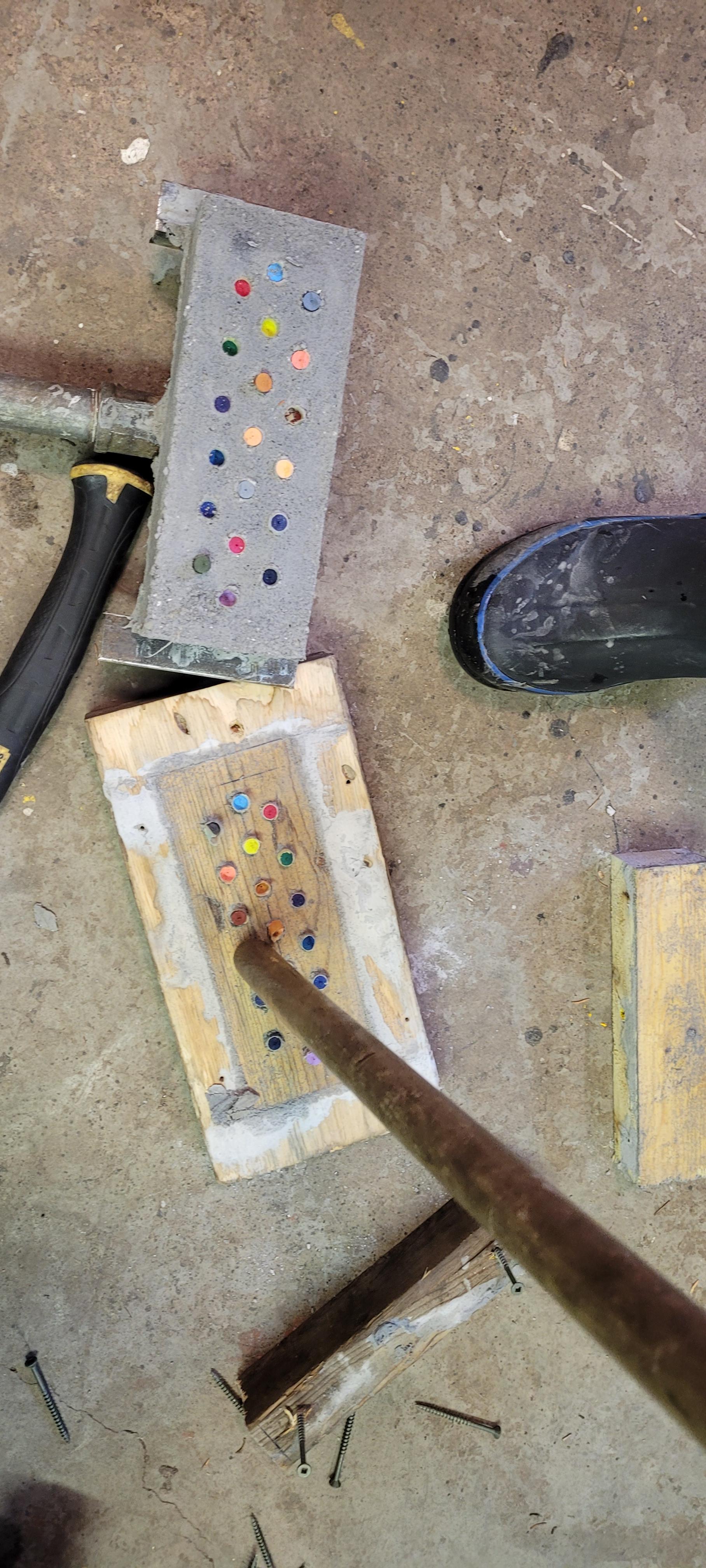
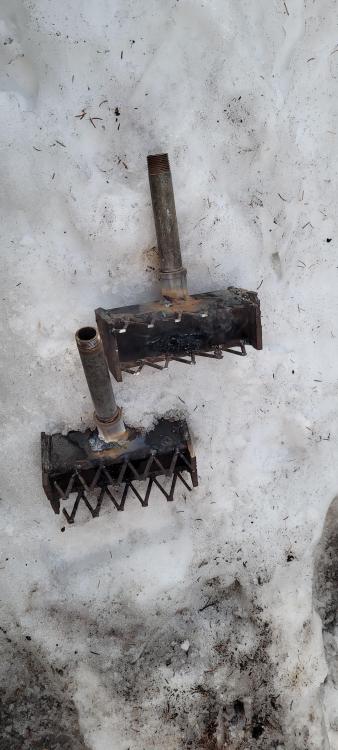
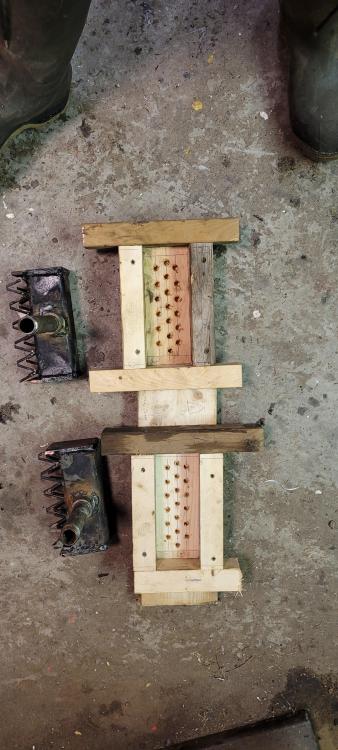
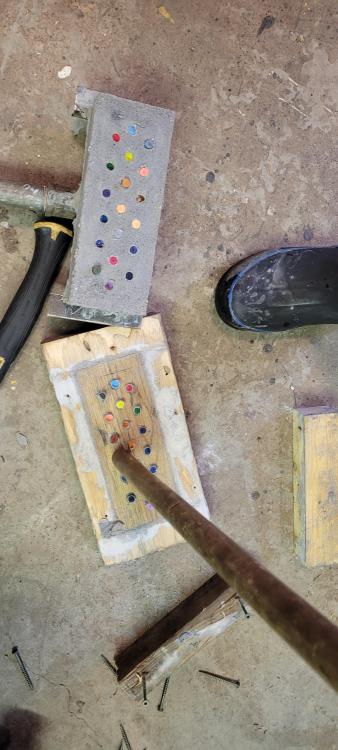
Yeah I did run them. First couple runs weren't amazing but after some fussing about I ended up running .30 migs at above 6 psi to prevent the back fire issues (5 hours). I found the .35 to let quite a bit of fuel out the doors. I have a fair amount more that I can pull the plenum further back so I might futz with that because I wouldn't mind being able to run it at temps below 2100 without backfire. I'm gonna running it all day tomorrow so I was thinking about blocking one of the nozzles on each burner and see if that helps to bring up the pressure per hole and cool the block a bit. I put 5 layers of hyb-uv on today so its possible that could help keep the burner block from heating up as much. The hole diameters are 5/16 crayons I copied frostys build as close as I could.
-
-
-
-
-
-
-
-
-
-
-
-
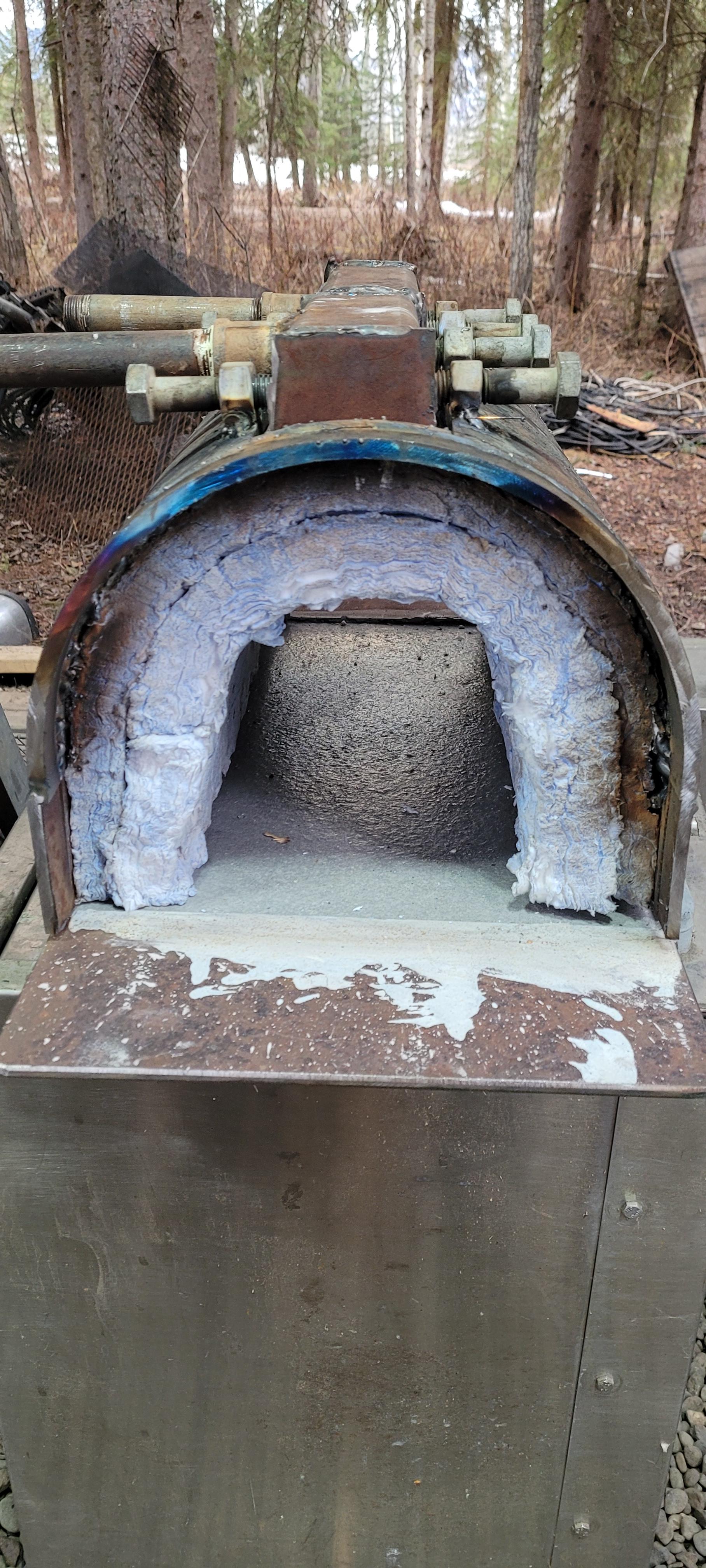
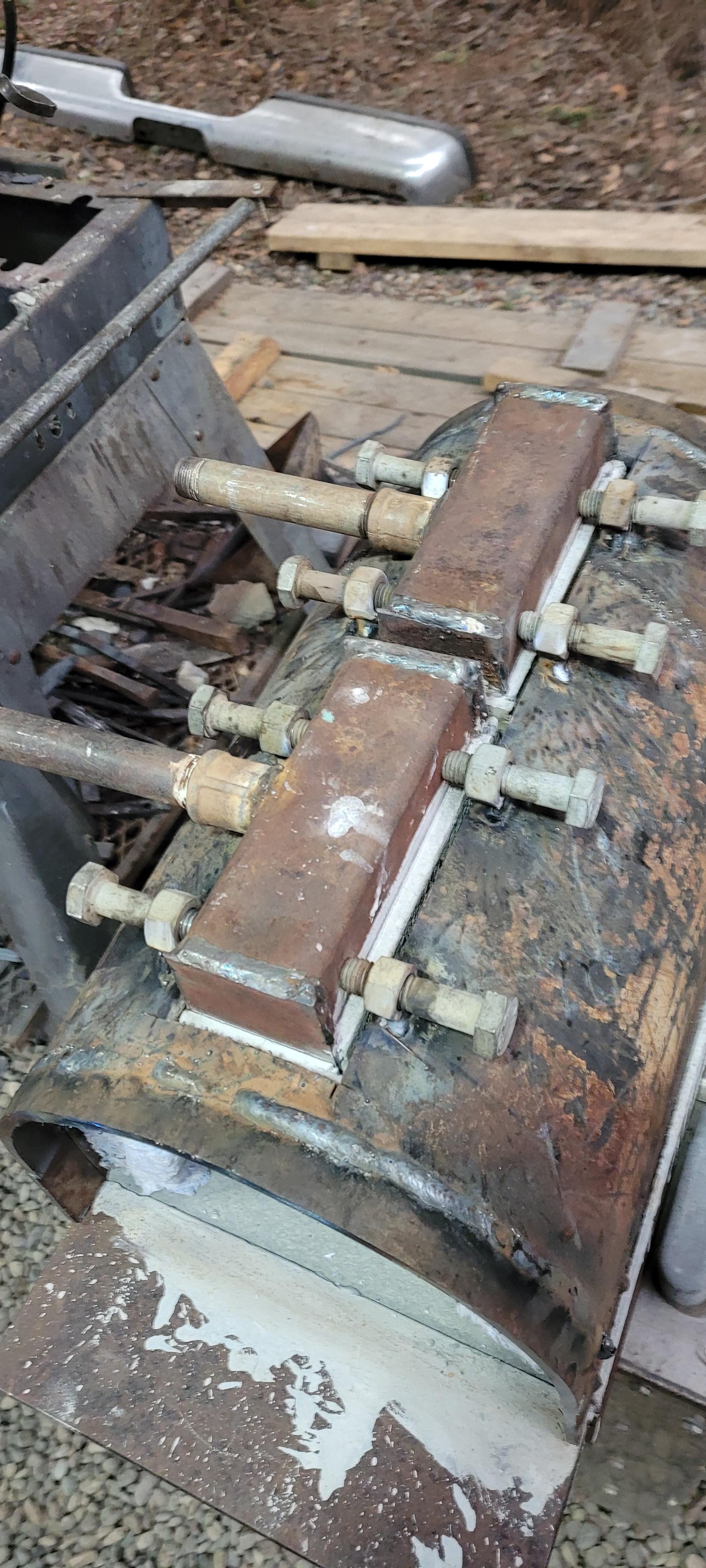
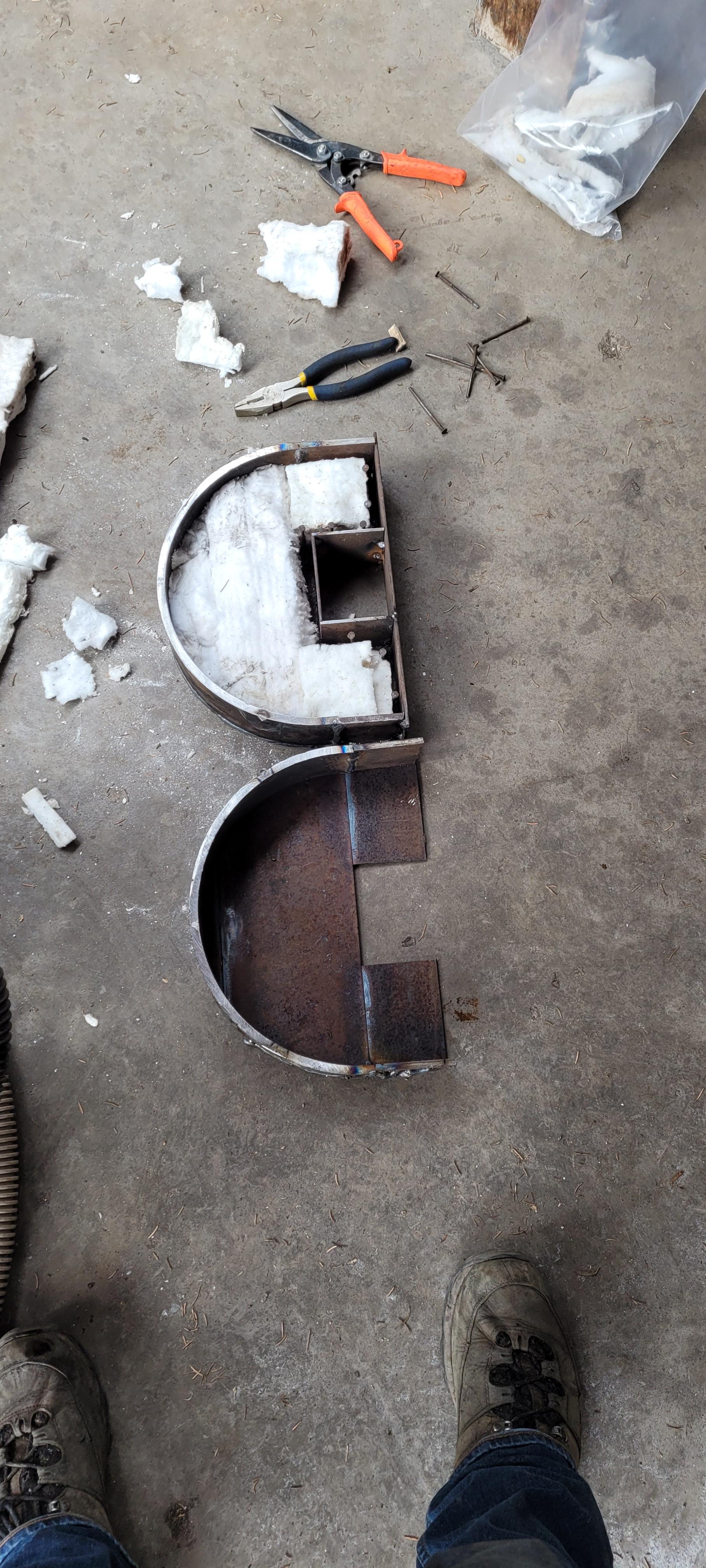
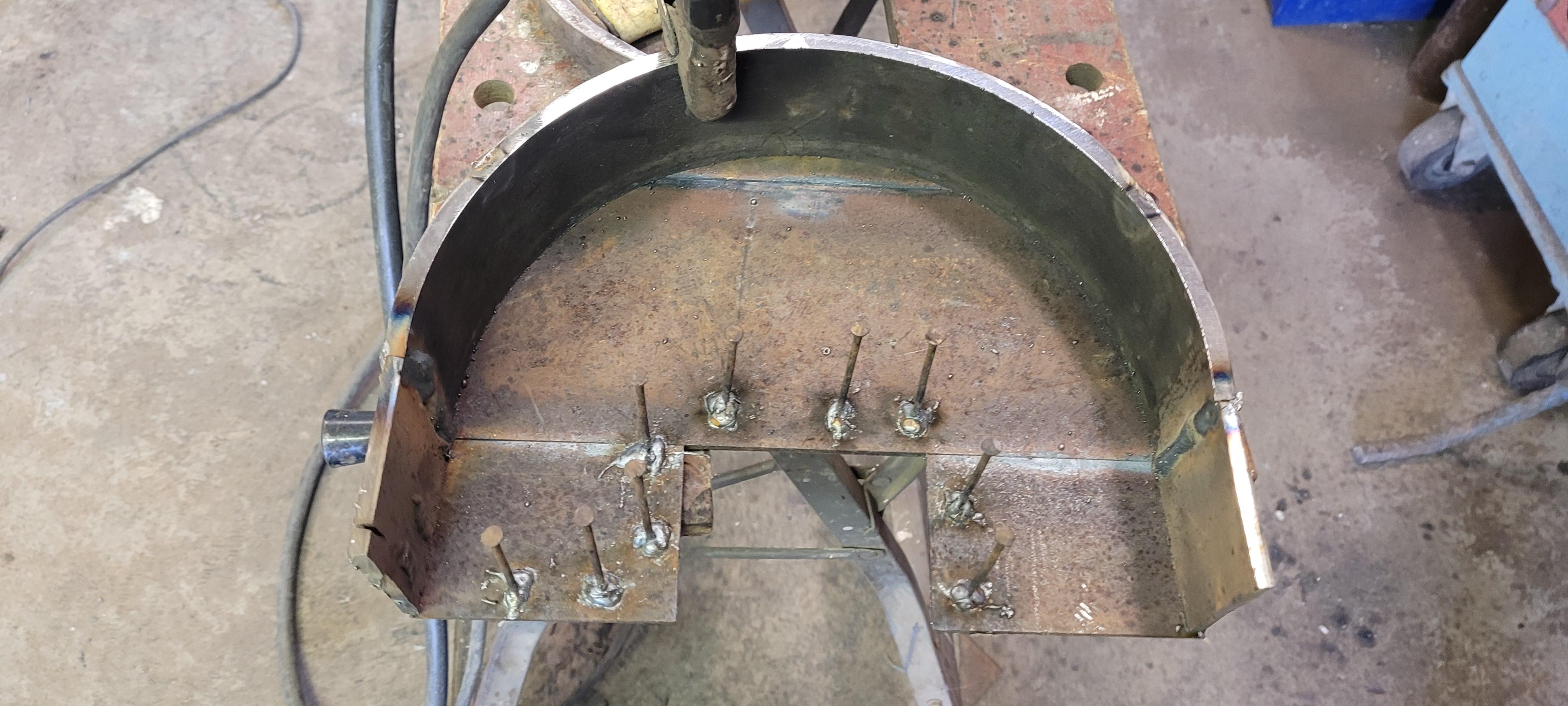
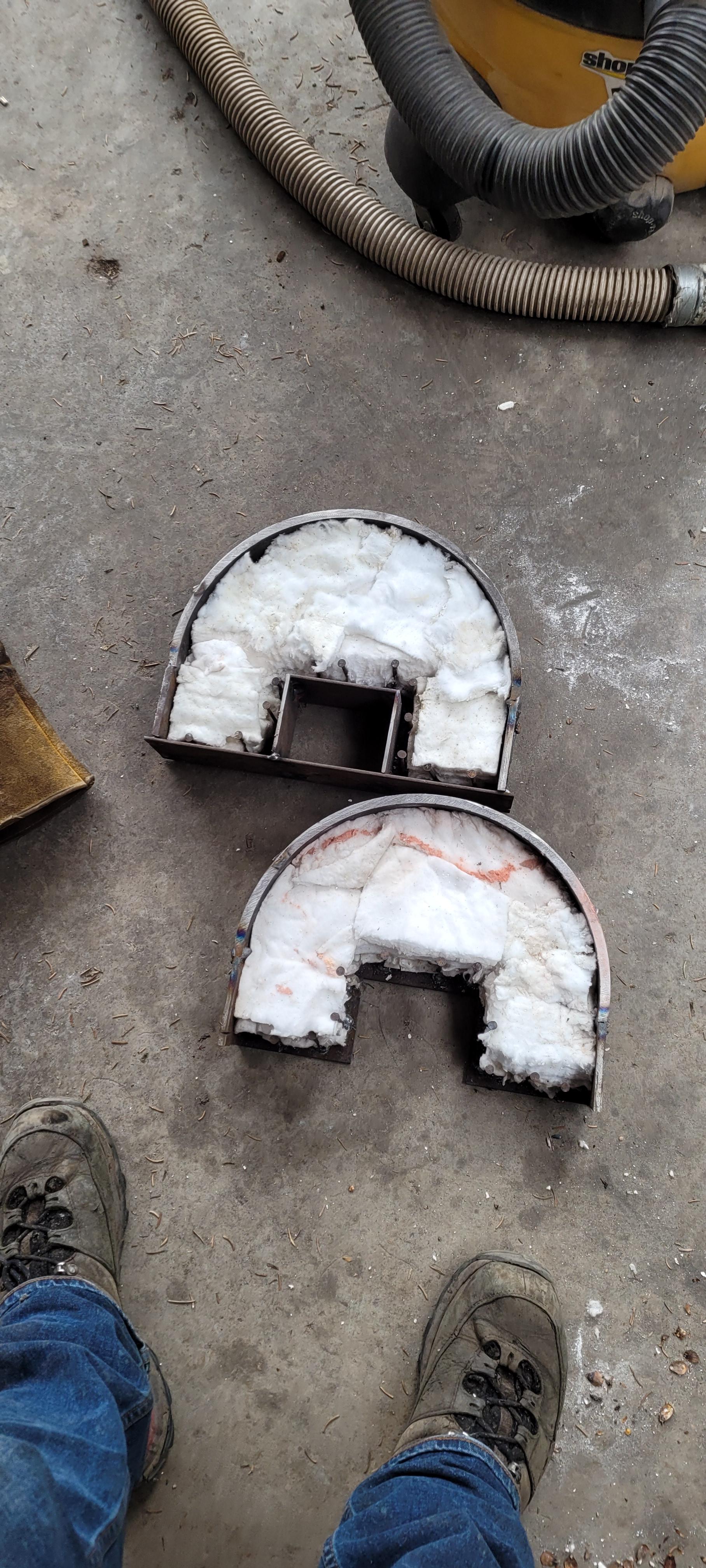
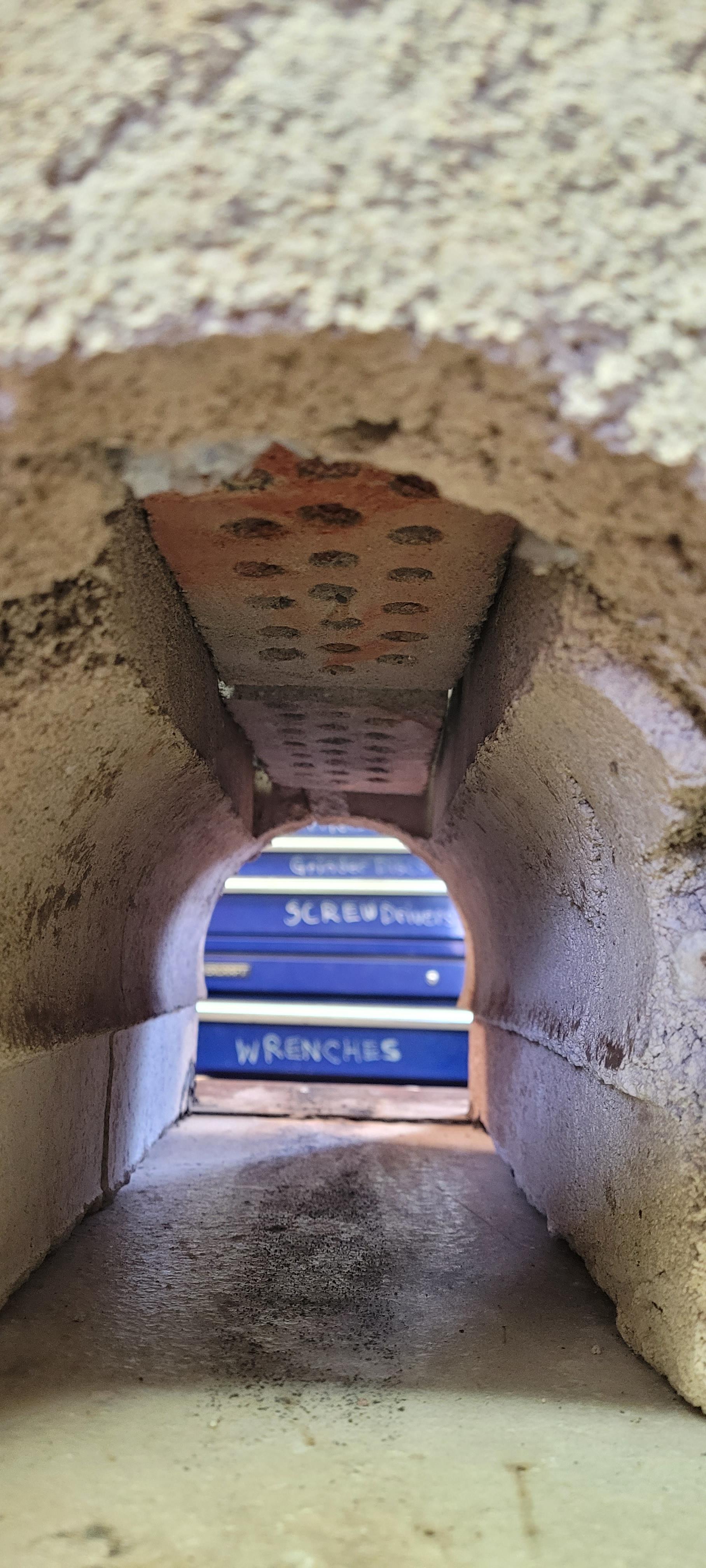
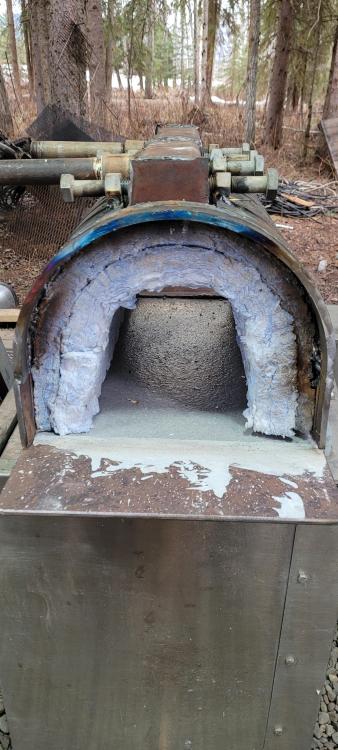
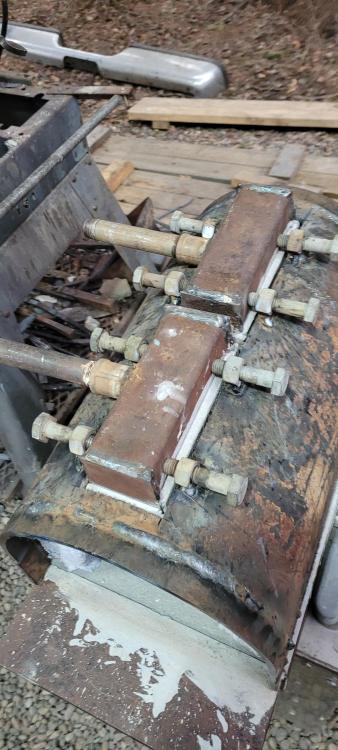
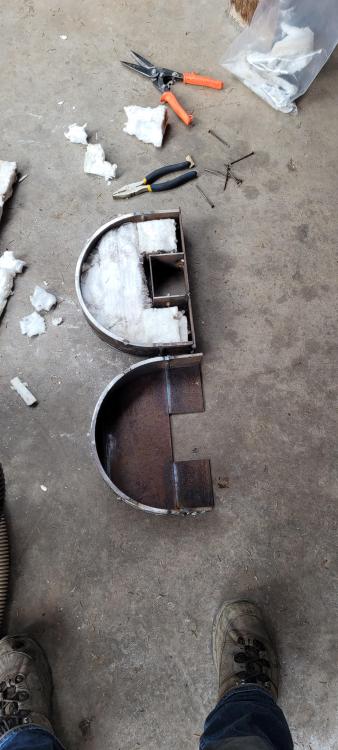
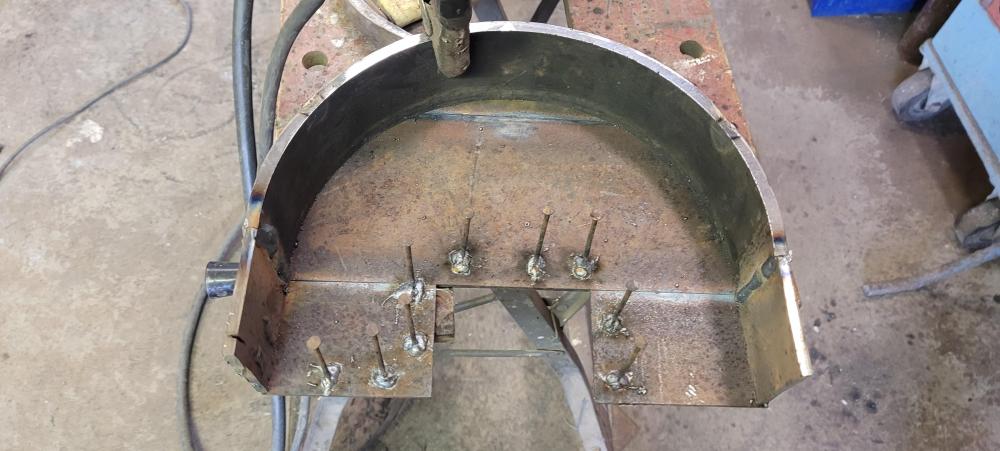
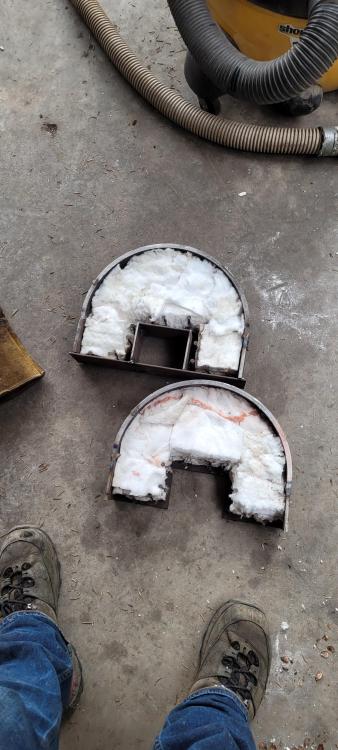
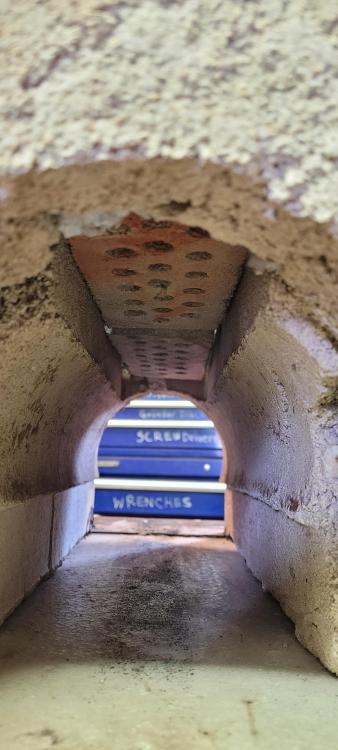
Here's the new forge I made to house 2x3/4 narb burners. Total length is 22.5 inch. The internal chamber is 5.5 inch wide and 6 inch tall. After a couple full burns I'll paint her with some ir reflective.
-