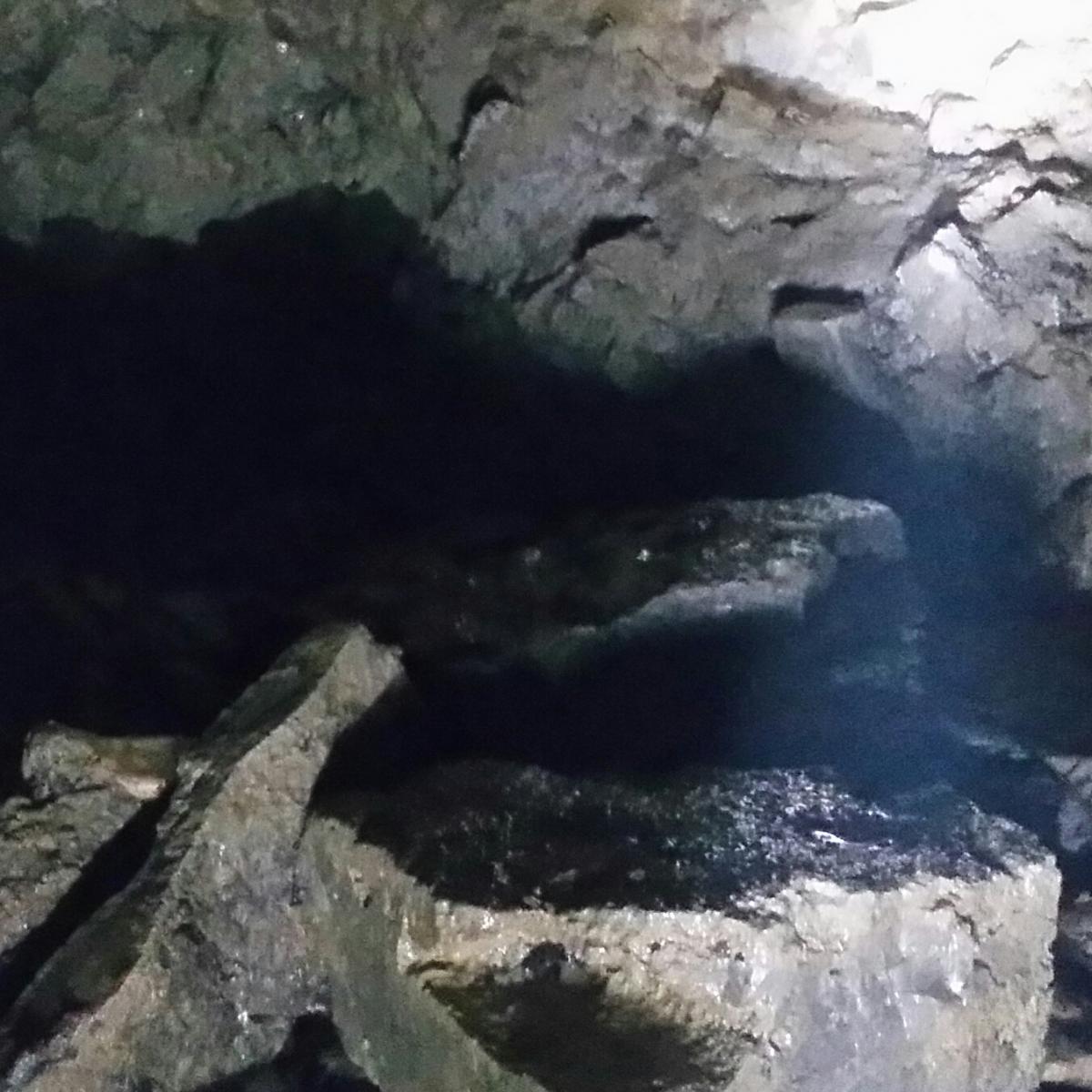
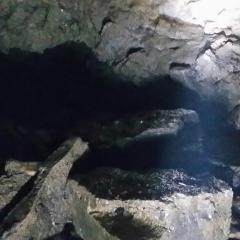
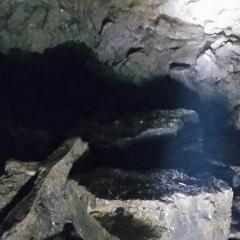
20170318_172303-1.jpg Share https://www.iforgeiron.com/gallery/image/39782-20170318_172303-1jpg/ Share on LinkedIn Share on X Share on Facebook {lang="reddit_text" Share via email Share on Pinterest More sharing options... Followers Can anyone tell me what the metal bracket that is mounted in the rock was used for? Copyright © Property of Burrel
Dogsoldat Members August 8, 20178 yr Author stats I'm sorry I'm not seeing any metal, need some references for context as well
Burrel Members August 10, 20178 yr Author stats If you look to the lower left of the picture. You can also enlarge the picture which helps. It looks like a civil war Blacksmith bored a hole in the rock and mounted something in the hole. I am thinking that there are lead shavings on top of the rock. Sorry lower right side of picture
ThomasPowers Deceased August 10, 20178 yr Author stats I'm sorry but I don't see how you determine Civil War vs 1840's or 1870's? Like Sherlock Holmes advises: “It is a capital mistake to theorize before one has data. Insensibly one begins to twist facts to suit theories, instead of theories to suit facts.” – A Scandal in Bohemia
Burrel Members September 20, 20178 yr Author stats I'm sorry but I don't see how you determine Civil War vs 1840's or 1870's? Like Sherlock Holmes advises: “It is a capital mistake to theorize before one has data. Insensibly one begins to twist facts to suit theories, instead of theories to suit facts.” – A Scandal in Bohemia There is a tree with 1859 carved on it just outside where cave entry would be. Something caused the cave to be closed and seal. The sink hole did not appear until years later. Here is the picture of the tree. It also has a map carved as well.
SLAG 2021 Donor September 20, 20178 yr Author stats Mr. Burrel, I tried posting to your thread, but I could not get it to post. Let me try to post it here. Here goes, Mr. Burrel, Archaeology is done by slowly peeling the ground layer by layer. That is called stratigraphy. The reason for that laborious approach is to determine dating of the finds. For example, newer things (artifacts), are found above older ones. Also, things found at the same layer probably were used together. (in other words, context). That is the reason why looted things lose most of their historical (archaeological), value. Their origin is no longer knowable nor where they came from. Looting or potholing reduces the reduces the artifact value to that of curious collectables. I suggest that you show the pictures to an historian, before continuing. Frosty is right. The odds are very good that a tunnel collapse will kill you. Especially if you are doing it alone. The Confederate States of America had some sources for getting saltpeter. (= potassium chlorate = KClO4). One of their major mining place was at a site under right under the noses of the Union Army! The North had few "native" sources for salt peter. They bought their saltpeter form the British. It came, primarily, from British India. The union blockade stopped the South from obtaining it from that source. This article has details of Confederate mining efforts during the Civil War. https://www.dmme.virginia.gov/commercedocs/VAMIN_VOL47_NO04.pdf For more historical trivia and a gripping yarn consult Wiki & the Slidell incident. ALSO, be very careful exploring and fossicking in tunnels or old workings, (especially old mines). There may be a buildup of carbon dioxide (choke damp), or even methane (firedamp). People have died breathing the former or been injured or killed due to explosions. Coal dust is also very explosive too, but I doubt that it is a coal pit. A mining safety lamp or CO2/CO gas detector is advisable. One more red herring brought to you by, SLAG. Hurrah it worked! Persistence pays off. SLAG.

Recommended Comments
Join the conversation
You can post now and register later. If you have an account, sign in now to post with your account.