GonzoAcres
Members
-
Joined
-
Last visited
Everything posted by GonzoAcres
-
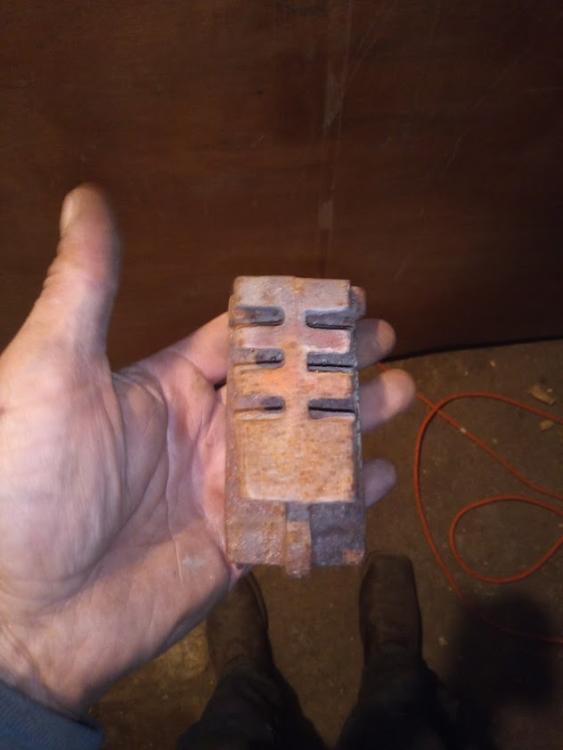
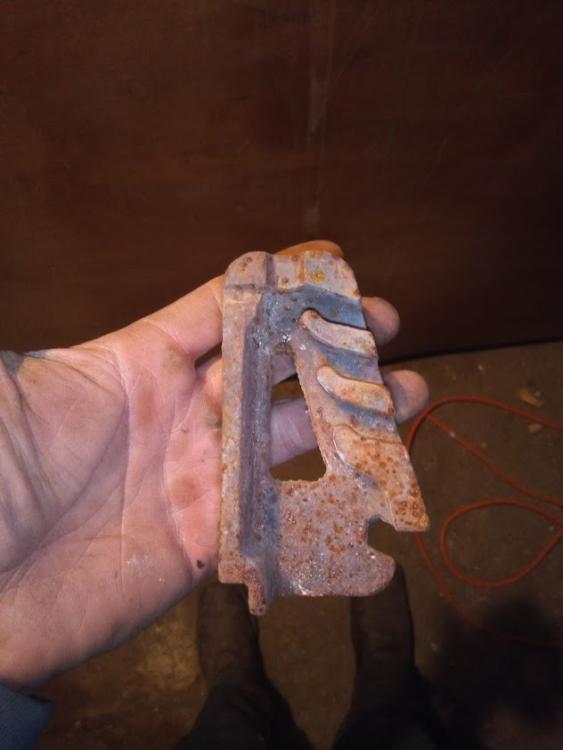
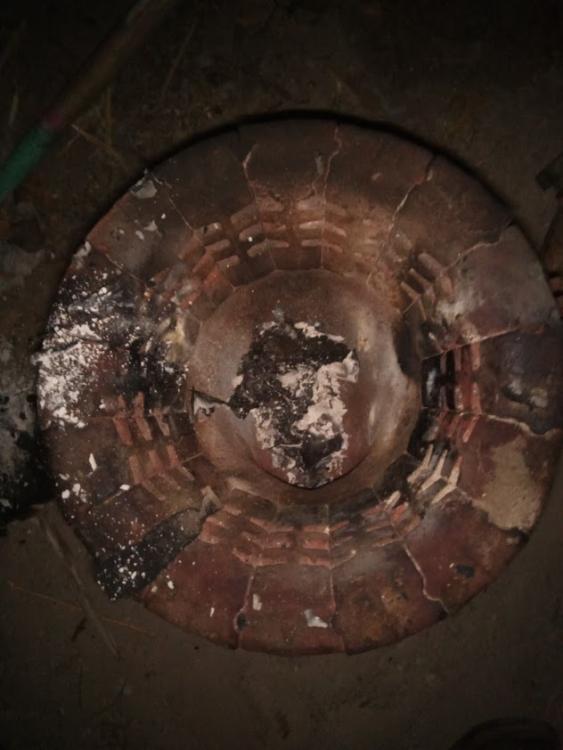
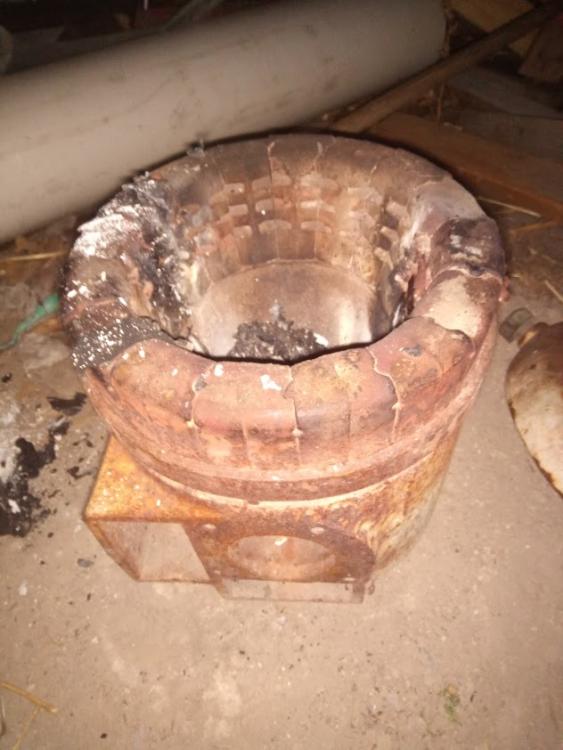
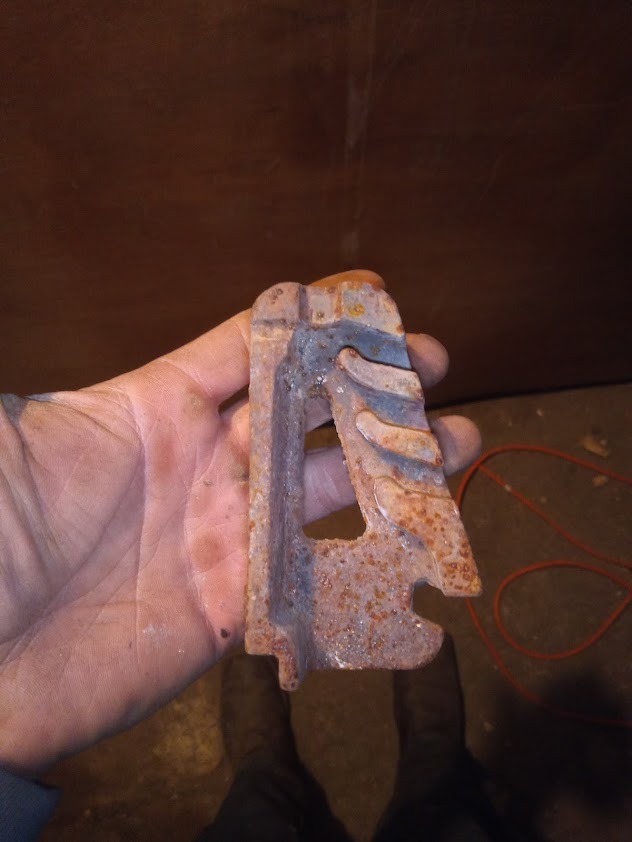
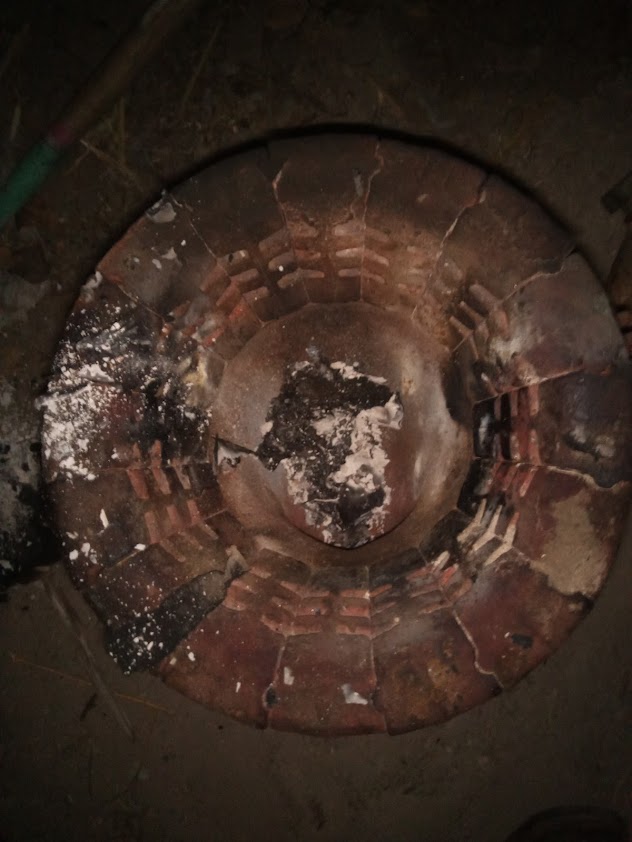
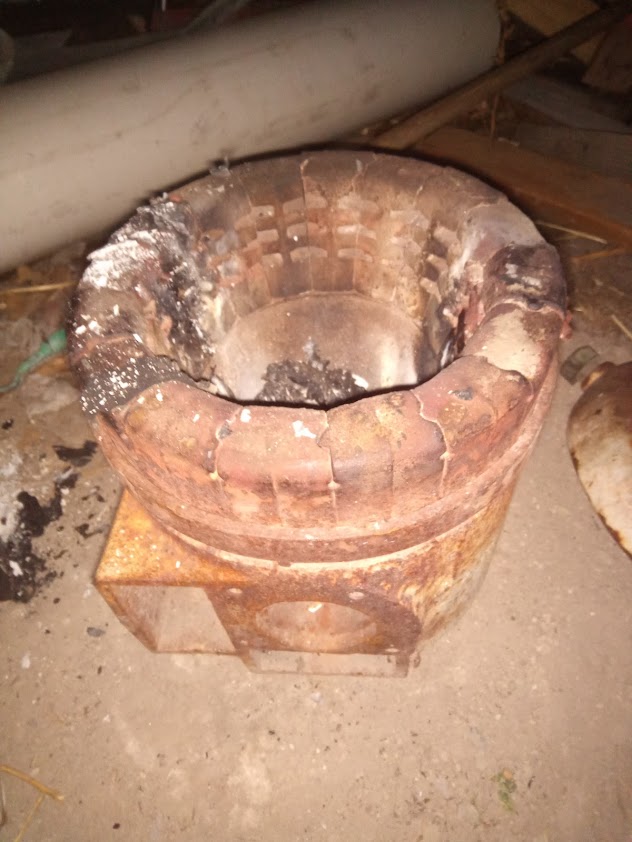
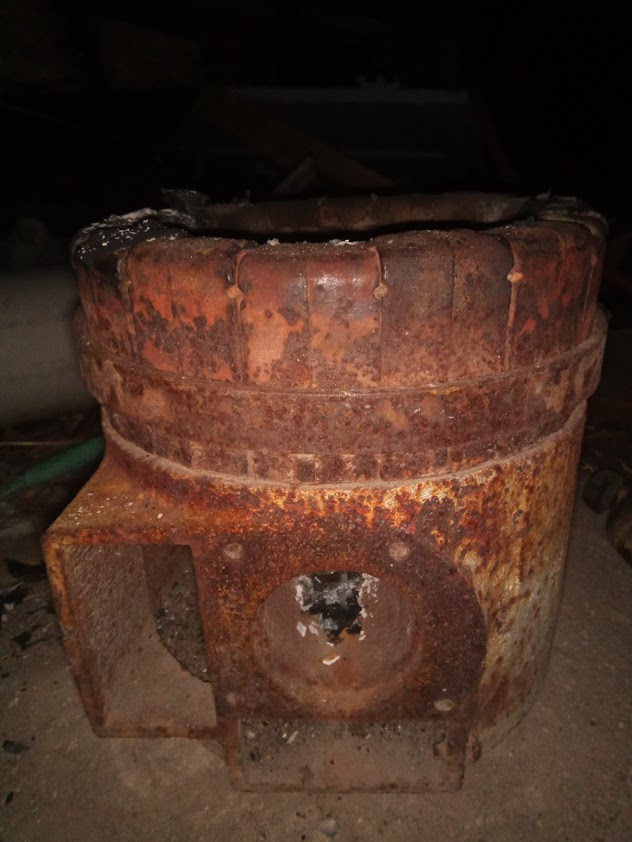
Thats gotta be what is! So based on a quick web search this is the tuyere/firepot of a "Underfeed Stoker" system, the area which mine had a propane burner inserted is actually were the auger from the coal bin forces new coal into the burn chamber, coal and air come in from the bottom and the raw coal is slowly forced up into the combustion zone above where the air is being mixed in by the interlocking pieces on the top, and all the clinker and ash by product just gathers around the edges of the burn pot to be scraped out at a later time.. its like a reverse system of a standard table forge with tuyere and ash dump which is fed by raw coal on the table around the fire pot.... more or less I guess it could be an auger fed smithing fire pot that didn't need to have raw coal and coke hanging out on it to be fed into the fire. maybe even place a couple fire bricks on each side with openings in the middle for the ash and clinker to fall into a fire safe catchment of some sort, which would also serve as the area where a work piece was placed while heating? Maybe getting ahead of myself but i'll certainly hang on to them incase after learning my way around a traditional solid fuel setup ( i'm going with a design based entirely off the whitlock forge for a solid fuel set up, though I'm open to suggestions)
-
Also thanks for all the warm welcomes, sorry for the absence of location info. In terms of forging experience and interests, totally green, maybe not as much as some as much of my life has involved a pretty close relationship to older forms of blacksmithing and forging, I was involved with Rendezvous groups through boyscout's growing up in Northern Florida, Loved competing in throwing hawk competitions as a pre-teen and have always been a "maker" who loves creating things, leather work, bead work, wood work, growing up my parents traveled a bit with the crafts fair circuits, dad did the wood work and mom had a counted cross-stitch pattern book business, to this day my best friends mother is a fairly world renowned jeweler specializing in teaching old somewhat lost techniques associated with working with the silver alloy argentium. I went into the world of high end professional culinary arts in my young life profession, ultimately ending up in Denver/Boulder area of Colorado almost 20 years ago, where I trained as a Sushi Chef and took on the executive chef position of a Popular Sushi restaurant which operated out of the building that had been used as the Cafe set in Mork and Mindy. Being a sushi chef was my introduction to the true beauty of a well made, purpose built Japanese knives and the various benefits of the different steel alloys, before the recent popularity of Damascus which was certainly around but not nearly as over blown and watered down as it is now, of course we liked damascus knives for their beauty, but there are plenty of other combinations of steel alloys which when applied by a master knife maker look to be on their face "regular" knives, but upon using them their incredible properties become very apparent... Even in those years, while I loved my 300-400 dollar chefs knives, forging my own never really crossed my mind, and frankly still doesn't. Being a profession chef led me back to the roots of humanity, Agriculture... And in learning about "organic agriculture", which prior to basically 1920 was just called Agriculture by all humans, I began to read farming texts from 1800's and early 1900's, again, because prior to WWI and WWII all agriculture was organic, and that sent me down the path of gaining an appreciation for the ingenuity of which existed in humanity at the time, something that I certainly feel has largely been bred or beaten out of many Americans (likely other places to, but i can only speak to my experience here).. Agriculture being the root of just about every other human endeavor, with blacksmithing being one of the few skills of humanity that predates agriculture, I gained an appreciation for all the ways humans have found to make farming easier, more efficient etc, and the immense amount of consideration that went into the invention and design of all the tools used in agriculture, and tools in general. Not to beat a dead horse, but as I'm sure most of you are aware of the trend away from tools made to last, made to do actual work, and made to make specific tasks able to be accomplished better.... so here I am in the infancy of learning to weld, and work with metal in a much more meaningful way, while enjoying not dealing with the low paying ratrace of the culinary world, as a chef at least and working on Family farms and with local food groups in an effort to learn and share my knowledge in hopes of fostering a sense in people that they can grow food, and that the food grown in their communities tastes better, is fresher, and doesn't support this shift towards the top caused by corporate control over everything in our supply chains ...
-
I'm in Pueblo, CO, home of the former Colorado Fuel and Iron steel mill, now an Evraz owned rail mill. In its day I'm told it produced every piece of rail west of the Mississippi. Pueblo still has a very rich culture and history created as a result of the Mills presence, as well as what I gather is a common story of the impact of mills closing down on communities, which is still quite evident everywhere you look in town. Lary that certainly looks like exactly the kind of set up that would mate up to the machined face on the outside! I will look into coal furnace construction but i'm almost positive that's what it is thanks! So would this have been placed under a boiler with some means of feeding coal into it? I'm imagining some sort of auger set up similar to the feed on a wood pellet stove maybe? Coal furnaces were long before my time, and I am only recently learning about how coal was actually utilized in industry, which is sort of interesting to me because my grandfather who passed before I was born owned a heating oil business in the Norfolk, VA area, no doubt having to work with coal furnaces as well... But having grown up in the "sustainability" era we were literally not taught anything about coal at all in any of our schooling, it was just demonized as "the old way of doing things"
-
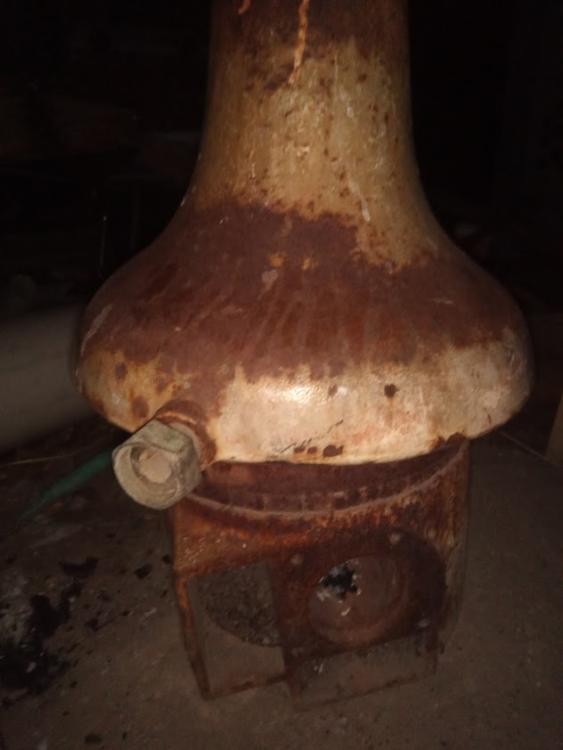
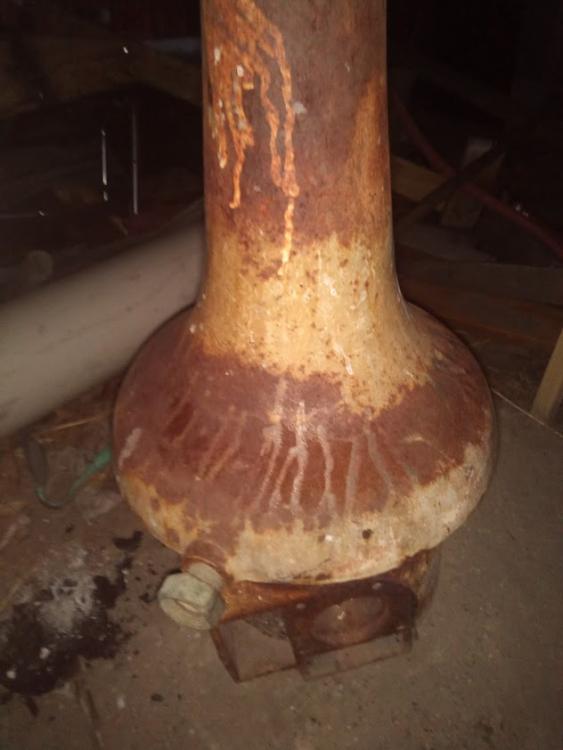
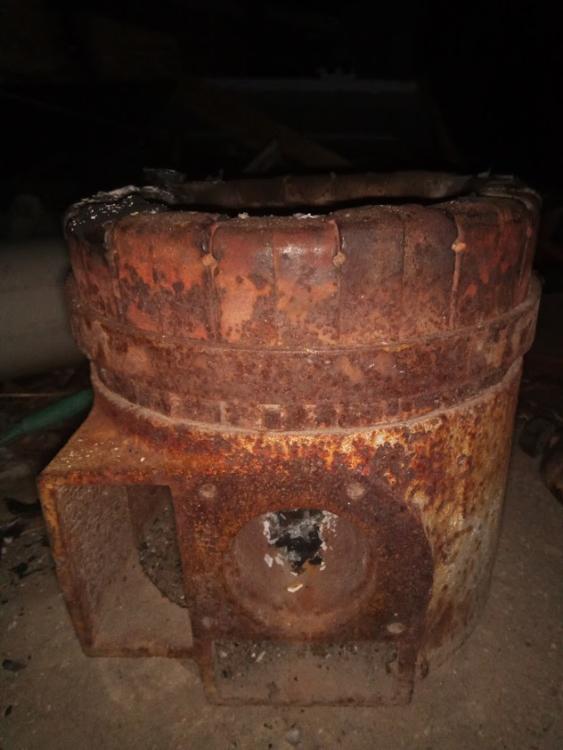
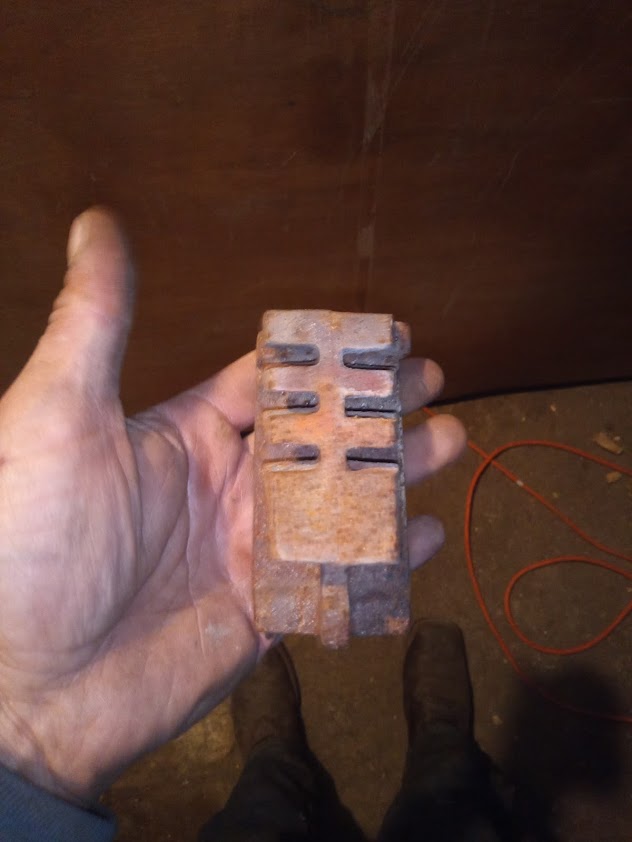
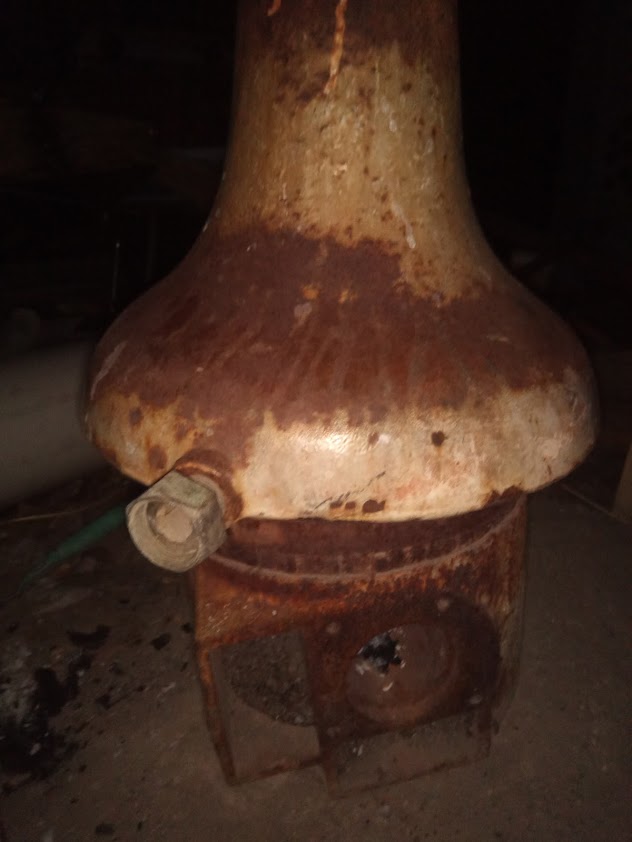
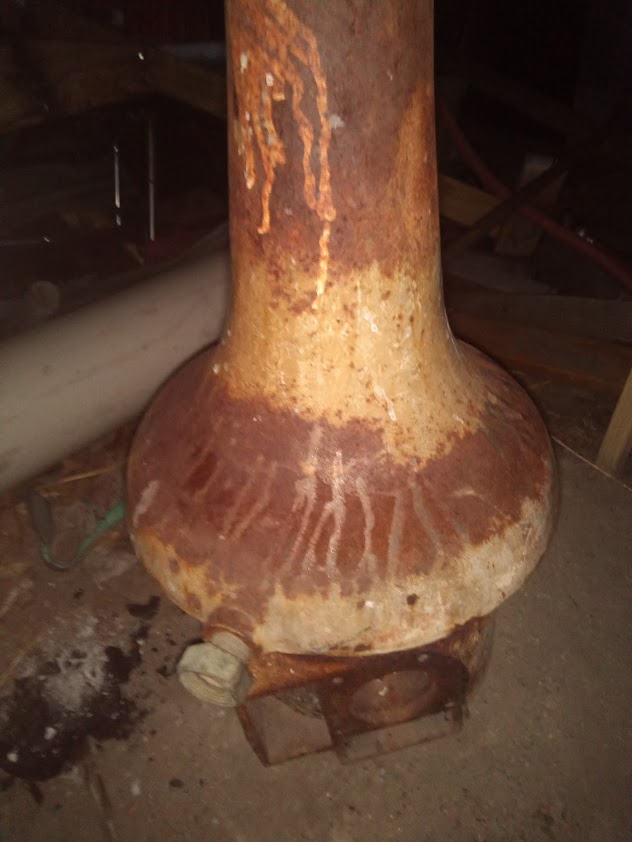
A friend of mine recently gifted two of these assemblies to me upon recognizing they were some sort of high heat burner, he acquired them in a storage unit auction so no background on where they may have come from. Our town is home to the largest steel mill west of the Mississippi, it's not uncommon to encounter some amazing pieces of equipment from days gone by collecting dust in barns or garages that were bought or salvaged and brought home by a steel-mill employee. I'm just wondering what they would have been used to heat? The "chimney" shown was with them, and sort of fits on top of them but not very well, it is metal with glaze like smooth coating on its horizontal surfaces, similar to enamel on an old cast iron tub or sink almost. Placing the chimney on top of them negates any access to the high heat of the interior so i'm guessing it was just an attempt by someone to find a chimney but is not actually associated directly with them. The ring around the top has T&G sides case into each individual cast iron piece and a heavy band around the outside to keep the pieces locked together, each piece also has a foot tab that fits into a space and connects the pieces to the base of the body of the device, which has two air spaces in it, one which is in the center and is sized to hold a cast venturi burner ring similar to what you'd expect under a turkey fryer, but matching the diameter of the center of this pot just below the ring of cast pieces that sits on top, and the internal airspace which is fed by the two rectangular openings on the side of the pot and feeds air through the slots on the cast iron pieces just above the burner assembly. I apologize if I'm posting this in wrong forum, New here, been a lurker for a couple years finally decided to pull the trigger on jump in to hobby smithin and really appreciate the experience and perspective you guys have made available here..